

Acer ePower Management is a software utility developed by Acer Inc. that is pre-installed on many Acer laptops and desktop computers. It is designed to provide users with control over power management settings, allowing them to optimize their device’s power usage and extend battery life. In this article, we will explore what Acer ePower Management is, its features and functionalities, and whether or not you should consider removing it from your Acer device.
Understanding Acer ePower Management
Acer ePower Management is a power management utility that provides users with a range of options to customize and optimize power settings on their Acer devices. It allows users to adjust settings such as screen brightness, CPU performance, and sleep mode behavior to maximize battery life or enhance performance based on their specific needs.
The software offers several power profiles, including Balanced, Power Saver, and High Performance, which users can switch between depending on their usage requirements. Each profile adjusts various power settings to achieve the desired balance between performance and power consumption.
Features and Functionalities
Acer ePower Management offers a variety of features and functionalities to help users manage their device’s power consumption effectively. Some of the key features include:
- Power Profiles: As mentioned earlier, Acer ePower Management provides different power profiles that users can choose from based on their needs. These profiles optimize power settings to achieve the desired balance between performance and battery life.
- Battery Calibration: The software includes a battery calibration feature that helps users calibrate their laptop’s battery to ensure accurate battery level readings and maximize battery life.
- Power Plan Customization: Users can customize power plans by adjusting settings such as screen brightness, CPU performance, and sleep mode behavior to suit their preferences and optimize power usage.
- Power Consumption Monitoring: Acer ePower Management allows users to monitor their device’s power consumption in real-time, providing valuable insights into which applications or processes are consuming the most power.
Should You Remove Acer ePower Management?
While Acer ePower Management offers useful features for power management, there are a few factors to consider when deciding whether or not to remove it from your Acer device:
1. Operating System Compatibility
Acer ePower Management was primarily designed for older versions of Windows, such as Windows 7 and Windows 8. If you are using a newer version of Windows, such as Windows 10, the built-in power management features of the operating system may already provide similar or even more advanced functionalities. In such cases, removing Acer ePower Management may not have a significant impact on your device’s power management capabilities.
2. Personal Power Management Preferences
Some users may prefer to have more control over their device’s power management settings and find the customization options provided by Acer ePower Management valuable. If you frequently switch between power profiles or adjust power settings based on your specific usage scenarios, removing the software may limit your ability to fine-tune power management according to your preferences.
3. Performance and Battery Life
It is worth noting that removing Acer ePower Management may not necessarily result in a significant improvement in performance or battery life. The software is designed to optimize power settings, and removing it may lead to suboptimal power management, potentially affecting battery life and overall system performance.
How to Remove Acer ePower Management
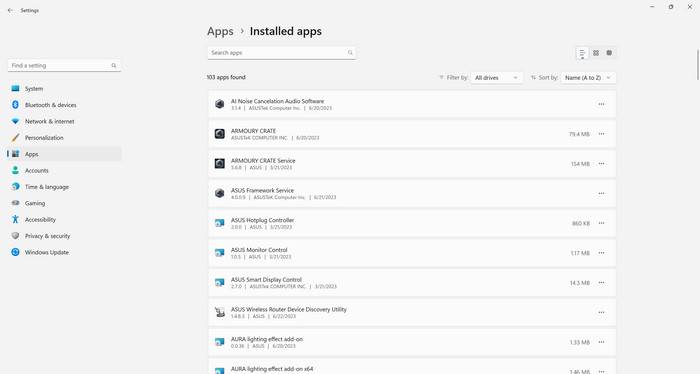
If you have considered the factors mentioned above and have decided to remove Acer ePower Management from your Acer device, you can do so using the following steps:
- Open the Control Panel on your Windows device.
- Select “Uninstall a program” or “Programs and Features.”
- Locate Acer ePower Management in the list of installed programs.
- Right-click on Acer ePower Management and select “Uninstall.”
- Follow the on-screen instructions to complete the uninstallation process.
Alternatively, you can use a third-party uninstaller tool like Revo Uninstaller Free to ensure a thorough removal of the software and any associated files or registry entries.
Conclusion
Acer ePower Management is a power management utility that offers users control over power settings on their Acer devices. While it provides useful features and customization options, its relevance may vary depending on factors such as the operating system version and personal power management preferences. Removing Acer ePower Management may not always be necessary or beneficial, as it can impact power management capabilities and potentially affect performance and battery life. It is recommended to carefully consider the factors discussed in this article before deciding whether or not to remove Acer ePower Management from your Acer device.

Join the discussion
0 commentsShare your experience or ask a question about this article.
Discussion
Start the conversation
Have a question or something useful to share? Add the first comment.