

Acer is a well-known brand in the computer industry, offering a wide range of laptops, desktops, and other electronic devices. One of the features that comes pre-installed on many Acer devices is the Acer ScreenSaver. In this article, we will explore what the Acer ScreenSaver is, its purpose, and whether or not you should consider removing it from your device.
What is Acer ScreenSaver?
The Acer ScreenSaver is a built-in feature that displays various images or animations when your computer is idle for a certain period of time. It is designed to prevent screen burn-in and provide visual entertainment when you are not actively using your device.
The Acer ScreenSaver comes with a collection of pre-installed images and animations that you can choose from. These include nature scenes, abstract designs, and even branded content from Acer. You can also customize the settings to display your own pictures or select images from your photo library.
Should I Remove Acer ScreenSaver?
Whether or not you should remove the Acer ScreenSaver depends on your personal preferences and needs. Here are a few factors to consider:
1. Screen Burn-in Protection
One of the main purposes of the Acer ScreenSaver is to prevent screen burn-in. Screen burn-in occurs when a static image is displayed on a screen for an extended period, causing permanent damage to the display. If you frequently leave your computer idle for long periods, especially with static images on the screen, the Acer ScreenSaver can help protect your display.
2. Visual Entertainment
The Acer ScreenSaver also serves as a source of visual entertainment. The pre-installed images and animations can provide a pleasant viewing experience when you are not actively using your device. If you enjoy having a visually appealing screensaver, you may find the Acer ScreenSaver to be a valuable feature.
3. Performance Impact
While the Acer ScreenSaver is designed to run smoothly on Acer devices, it may still have a slight impact on system performance. The screensaver requires system resources to display the images or animations, which could potentially slow down other tasks running in the background. If you notice a significant decrease in performance or prefer to maximize your device’s resources for other purposes, removing the Acer ScreenSaver might be a viable option.
4. Personalization
If you prefer to have a more personalized screensaver, removing the Acer ScreenSaver allows you to choose from a wider range of options. There are numerous third-party screensavers available online that offer different themes, styles, and customization features. Removing the Acer ScreenSaver gives you the freedom to select a screensaver that aligns with your personal preferences.
How to Remove Acer ScreenSaver?
If you have decided to remove the Acer ScreenSaver from your device, there are a few methods you can use:
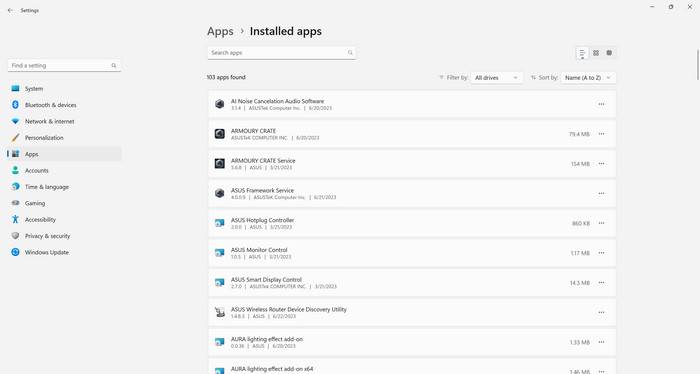
1. Built-in Uninstaller
The easiest way to remove the Acer ScreenSaver is to use the built-in uninstaller provided by Acer. Here’s how:
- Open the Control Panel on your Acer device.
- Select “Programs” or “Programs and Features.”
- Locate the Acer ScreenSaver in the list of installed programs.
- Click on it and select “Uninstall” or “Remove.”
- Follow the on-screen instructions to complete the uninstallation process.
2. Third-Party Uninstaller
If you encounter any issues with the built-in uninstaller or want to ensure a thorough removal of all associated files and registry entries, you can use a third-party uninstaller tool like Revo Uninstaller Free. Revo Uninstaller Free offers advanced scanning and cleaning capabilities to completely remove unwanted programs from your device. Here’s how to use it:
- Download and install Revo Uninstaller Free from the official website.
- Launch Revo Uninstaller Free and wait for it to analyze the installed programs on your device.
- Locate the Acer ScreenSaver in the list of installed programs.
- Select it and click on the “Uninstall” button.
- Follow the on-screen instructions to complete the uninstallation process.
Conclusion
The Acer ScreenSaver is a built-in feature that offers screen burn-in protection and visual entertainment when your computer is idle. Whether or not you should remove it depends on your personal preferences, the need for screen burn-in protection, the impact on system performance, and the desire for personalization. If you decide to remove the Acer ScreenSaver, you can use the built-in uninstaller or a third-party uninstaller tool like Revo Uninstaller Free for a thorough removal. Ultimately, the choice is yours to make based on your specific requirements and preferences.

Join the discussion
0 commentsShare your experience or ask a question about this article.
Discussion
Start the conversation
Have a question or something useful to share? Add the first comment.