

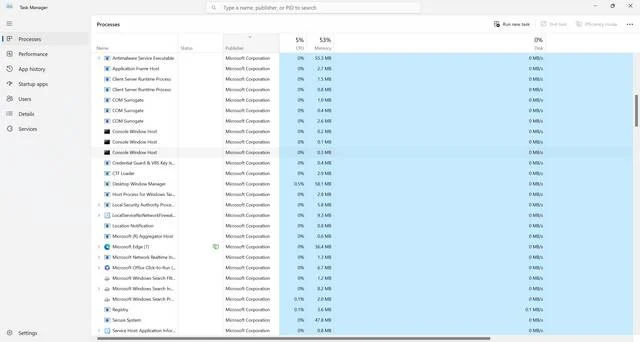
When you open your Windows Task Manager, you may come across a process called “Acrobat_sl.exe” running in the background. This executable file is associated with Adobe Acrobat, a popular software used for creating, editing, and viewing PDF documents. However, many users are unsure about the purpose of Acrobat_sl.exe and whether it is necessary for their system’s functionality. In this article, we will delve into the details of Acrobat_sl.exe, its functions, potential risks, and whether you should consider removing it from your computer.
What is Acrobat_sl.exe?
Acrobat_sl.exe is a legitimate executable file that belongs to Adobe Acrobat. It stands for “Adobe Acrobat Speed Launcher” and is designed to improve the startup time of Adobe Acrobat and its associated applications. When you launch Adobe Acrobat, Acrobat_sl.exe runs in the background and preloads certain components of the software, allowing it to start faster when you actually need to use it.
The purpose of Acrobat_sl.exe is to enhance the user experience by reducing the time it takes for Adobe Acrobat to load. By preloading necessary files and resources, Acrobat_sl.exe aims to provide a seamless and efficient workflow for users who frequently use Adobe Acrobat or its related applications.
Is Acrobat_sl.exe Necessary?
While Acrobat_sl.exe serves a specific purpose, it is not essential for the basic functionality of Adobe Acrobat. If you rarely use Adobe Acrobat or have limited system resources, disabling or removing Acrobat_sl.exe may not have a significant impact on your overall experience.
However, it is important to note that disabling Acrobat_sl.exe may result in slightly longer startup times for Adobe Acrobat. If you frequently use the software and value faster loading speeds, it is recommended to keep Acrobat_sl.exe enabled.
Potential Risks and Malware Concerns
As with any executable file, there is always a possibility of malware disguising itself as Acrobat_sl.exe. Malware authors often use legitimate file names to hide their malicious activities and deceive users into running harmful programs.
To ensure that the Acrobat_sl.exe process running on your system is legitimate and not malware, it is crucial to perform regular scans with reliable antivirus or anti-malware software. One highly recommended tool for scanning and removing malware is Malwarebytes Free. It provides comprehensive protection against various types of malware and can help identify any potential threats associated with Acrobat_sl.exe.
How to Disable or Remove Acrobat_sl.exe
If you have decided to disable or remove Acrobat_sl.exe from your system, here are the steps you can follow:
- Open the Adobe Acrobat application on your computer.
- Go to the “Edit” menu and select “Preferences.”
- In the Preferences window, navigate to the “Updater” category.
- Uncheck the box that says “Automatically install updates.”
- Click on “OK” to save the changes.
By disabling the automatic updates, you effectively prevent Acrobat_sl.exe from running in the background and preloading components during startup. However, keep in mind that this may result in longer loading times for Adobe Acrobat when updates are available.
Conclusion
Acrobat_sl.exe is a legitimate executable file associated with Adobe Acrobat. Its purpose is to improve the startup time of Adobe Acrobat and enhance the user experience. While it is not essential for the basic functionality of the software, keeping Acrobat_sl.exe enabled can provide faster loading speeds for frequent users.
However, it is important to remain vigilant and ensure that the Acrobat_sl.exe process running on your system is not malware in disguise. Regularly scanning your computer with reliable antivirus or anti-malware software, such as Malwarebytes Free, can help identify and remove any potential threats.
If you decide to disable or remove Acrobat_sl.exe, you can do so by adjusting the settings within Adobe Acrobat. Keep in mind that this may result in longer loading times when updates are available.
Ultimately, the decision to keep or remove Acrobat_sl.exe depends on your usage patterns and system resources. Consider your specific needs and preferences to determine the best course of action for your computer.

Join the discussion
0 commentsShare your experience or ask a question about this article.
Discussion
Start the conversation
Have a question or something useful to share? Add the first comment.