

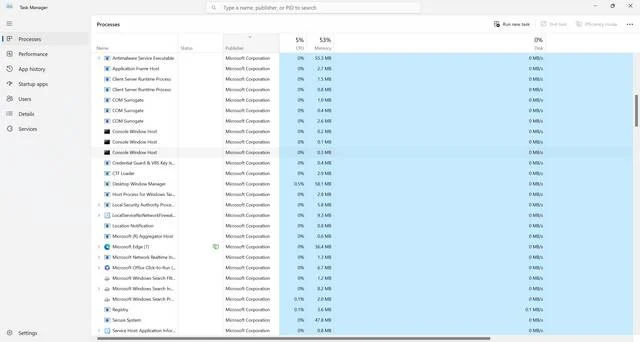
When you open your Task Manager on a Windows computer, you may notice a process called “Adobe Creative Cloud” running in the background. This can be a cause for concern for some users who are unsure why it is running and if it poses any risks to their system. In this article, we will explore the reasons behind Adobe Creative Cloud running in Task Manager and provide valuable insights to help you understand its purpose and functionality.
What is Adobe Creative Cloud?
Adobe Creative Cloud is a suite of applications and services offered by Adobe Systems. It includes popular software such as Photoshop, Illustrator, InDesign, Premiere Pro, and many more. Creative Cloud provides users with access to a wide range of creative tools and resources, allowing them to create, edit, and collaborate on various digital projects.
Why is Adobe Creative Cloud Running in Task Manager?
When you install Adobe Creative Cloud on your computer, it installs a background process that runs automatically when you start your computer. This process is responsible for managing updates, licensing, and other essential functions related to the Adobe Creative Cloud applications.
The main reason why Adobe Creative Cloud runs in Task Manager is to ensure that your Adobe software is up to date. It regularly checks for updates and downloads them in the background, so you don’t have to manually search for and install updates yourself. This helps ensure that you have the latest features, bug fixes, and security patches for your Adobe applications.
Is Adobe Creative Cloud a Security Risk?
Some users may be concerned about the presence of Adobe Creative Cloud in Task Manager, fearing that it could be a potential security risk. However, it is important to note that Adobe Creative Cloud itself is not a security threat. It is a legitimate software developed by Adobe Systems, a reputable company in the industry.
That being said, it is always a good practice to be cautious and ensure that the process running in Task Manager is indeed Adobe Creative Cloud and not a malicious program masquerading as it. To verify its authenticity, you can follow these steps:
- Right-click on the Adobe Creative Cloud process in Task Manager.
- Select “Open File Location” from the context menu.
- Check the file location to ensure it is within the Adobe installation directory.
If the file location is suspicious or unfamiliar, it is recommended to run a scan with a reliable antivirus or anti-malware software, such as Malwarebytes Free. This will help detect and remove any potential threats from your system.
Managing Adobe Creative Cloud Process
If you find that Adobe Creative Cloud is consuming excessive system resources or causing performance issues, you have the option to manage its behavior. Here are a few ways to do so:
- Disabling Automatic Startup: If you don’t want Adobe Creative Cloud to start automatically when you boot up your computer, you can disable it from the Creative Cloud desktop app settings. Simply open the app, go to the Preferences section, and uncheck the “Launch at login” option.
- Controlling Update Frequency: By default, Adobe Creative Cloud checks for updates regularly. However, you can adjust the update frequency to a schedule that suits your needs. Open the Creative Cloud desktop app, go to the Preferences section, and select the “Auto-update” tab to customize the update settings.
- Limiting Background Processes: If you want to reduce the impact of Adobe Creative Cloud on your system resources, you can limit the number of background processes it uses. Open the Creative Cloud desktop app, go to the Preferences section, and select the “General” tab. From there, you can adjust the “File Sync” and “Typekit” settings to minimize resource usage.
Conclusion
Adobe Creative Cloud running in Task Manager is a normal and expected behavior for users who have installed Adobe software on their computers. It is a legitimate process that ensures your Adobe applications are up to date and properly licensed. While it is not a security risk itself, it is always important to verify the authenticity of the process and run regular scans with reliable antivirus or anti-malware software to protect your system.
By understanding the purpose and functionality of Adobe Creative Cloud in Task Manager, you can make informed decisions about managing its behavior to optimize your system’s performance. Whether it’s disabling automatic startup, adjusting update frequency, or limiting background processes, you have control over how Adobe Creative Cloud operates on your computer.
Remember, Adobe Creative Cloud is designed to enhance your creative workflow and provide you with the latest tools and features. Embrace its capabilities while ensuring the security and performance of your system.

Join the discussion
0 commentsShare your experience or ask a question about this article.
Discussion
Start the conversation
Have a question or something useful to share? Add the first comment.