

Adobe Flash Player 13 ActiveX is a multimedia software platform that allows users to view and interact with rich internet applications, animations, and streaming video and audio content. It was developed by Adobe Systems and has been widely used for many years to enhance the web browsing experience. However, with the rise of newer technologies and the increasing number of security vulnerabilities associated with Flash Player, many users are questioning whether they should remove it from their systems.
Understanding Adobe Flash Player 13 ActiveX
Adobe Flash Player 13 ActiveX is a browser plugin that enables the playback of multimedia content created using Adobe Flash technology. It is specifically designed for Internet Explorer and other browsers that use the ActiveX control architecture. This version of Flash Player was released in 2014 and includes various improvements and bug fixes over its predecessors.
Flash Player 13 ActiveX supports a wide range of multimedia formats, including SWF (Shockwave Flash) and FLV (Flash Video). It allows websites to deliver interactive content, such as games, videos, and animations, directly within the browser. This has made Flash Player a popular choice for developers and content creators looking to deliver rich and engaging experiences to their users.
The Decline of Adobe Flash Player
Despite its popularity in the past, Adobe Flash Player has faced significant challenges in recent years. One of the main reasons for its decline is the emergence of newer web technologies, such as HTML5, that offer similar capabilities without the need for a separate plugin. HTML5 is supported by all major browsers and provides better performance, security, and compatibility.
Another major factor contributing to the decline of Flash Player is its poor security track record. Flash Player has been plagued by numerous vulnerabilities and has been a favorite target for hackers and malware authors. Exploiting these vulnerabilities can allow attackers to gain control of a user’s system, steal sensitive information, or deliver malware.
As a result, major web browsers, including Google Chrome, Mozilla Firefox, and Microsoft Edge, have either disabled Flash Player by default or announced plans to phase it out completely. Adobe has also announced that it will end support for Flash Player by the end of 2020, urging users to uninstall it from their systems.
Should I Remove Adobe Flash Player 13 ActiveX?
The decision to remove Adobe Flash Player 13 ActiveX from your system depends on your specific needs and usage patterns. Here are some factors to consider:
1. Security:
As mentioned earlier, Flash Player has a long history of security vulnerabilities. If you are concerned about the security of your system, removing Flash Player is a wise choice. By uninstalling Flash Player, you eliminate the risk of being exposed to potential exploits and malware attacks.
2. Compatibility:
While HTML5 has largely replaced Flash Player for most web content, there may still be some websites or applications that rely on Flash. Before removing Flash Player, it is important to ensure that the websites and applications you use are compatible with HTML5 or have alternative solutions in place.
3. Performance:
Flash Player can be resource-intensive and may slow down your system, especially if you have multiple Flash-based applications or websites open simultaneously. If you notice a significant decrease in performance or experience frequent crashes, removing Flash Player may improve your system’s overall performance.
4. User Experience:
Some websites and applications still provide unique and engaging experiences through Flash-based content. If you frequently visit such websites or rely on Flash-based applications for work or entertainment, removing Flash Player may negatively impact your user experience.
How to Remove Adobe Flash Player 13 ActiveX
If you have decided to remove Adobe Flash Player 13 ActiveX from your system, there are several methods you can use:
1. Manual Uninstallation:
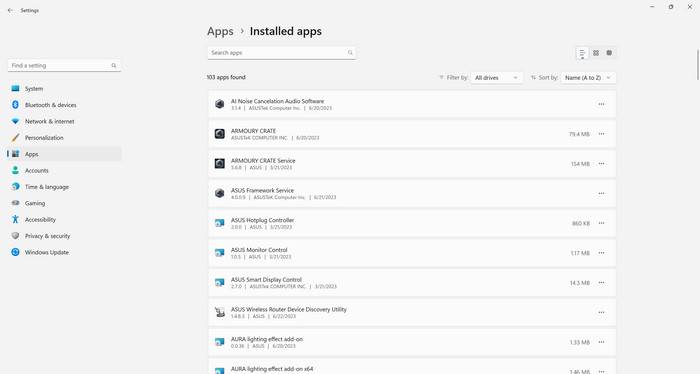
You can uninstall Flash Player manually through the Control Panel on Windows or the Applications folder on macOS. However, manual uninstallation may leave behind residual files and registry entries, which can clutter your system and potentially cause issues in the future.
2. Uninstall Tools:
Using an uninstall tool can help ensure a complete and thorough removal of Flash Player. One recommended tool is Revo Uninstaller Free. Revo Uninstaller not only removes the program but also scans for leftover files and registry entries, allowing you to clean up your system effectively.
Conclusion
Adobe Flash Player 13 ActiveX has been a popular multimedia platform for many years, but its decline is inevitable due to the emergence of newer technologies and its poor security track record. While the decision to remove Flash Player depends on your specific needs, it is generally recommended to uninstall it to improve security and performance.
Before removing Flash Player, ensure that the websites and applications you use are compatible with HTML5 or have alternative solutions in place. If you decide to uninstall Flash Player, consider using an uninstall tool like Revo Uninstaller Free to ensure a thorough removal.
As the web continues to evolve, it is important to stay informed about the latest technologies and security best practices to ensure a safe and enjoyable browsing experience.

Join the discussion
0 commentsShare your experience or ask a question about this article.
Discussion
Start the conversation
Have a question or something useful to share? Add the first comment.