

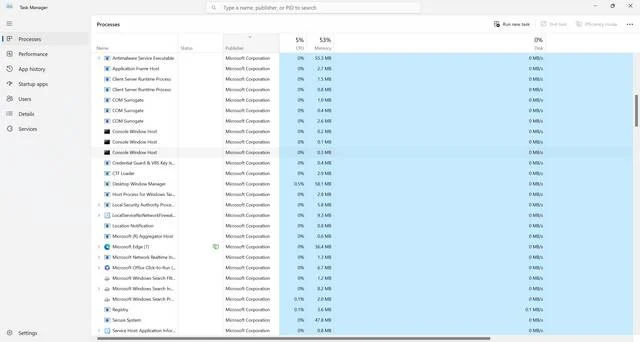
When you open the Task Manager on your Windows computer, you may notice a process called “Adobe Update Service” running in the background. This can be a cause for concern for some users, as they may wonder why Adobe software is running without their knowledge or permission. In this article, we will explore the Adobe Update Service process, its purpose, and why it is running in Task Manager.
Understanding the Adobe Update Service Process
The Adobe Update Service process, also known as AdobeARMservice.exe, is a legitimate component of Adobe software. It is responsible for checking for updates and installing them automatically for various Adobe products installed on your computer, such as Adobe Acrobat Reader, Adobe Photoshop, and Adobe Illustrator.
Adobe software is widely used by individuals and businesses for various purposes, including graphic design, document management, and multimedia creation. To ensure that users have the latest features, bug fixes, and security patches, Adobe regularly releases updates for its software.
The Adobe Update Service process runs in the background to periodically check for updates from Adobe’s servers. When an update is available, it downloads and installs it silently, without interrupting the user’s workflow. This helps ensure that users have the most up-to-date and secure versions of Adobe software.
Why Is the Adobe Update Service Running in Task Manager?
The Adobe Update Service process runs in Task Manager to perform its update-related tasks efficiently. By running as a background process, it can check for updates without requiring the user to manually initiate the process.
Running the Adobe Update Service in Task Manager also allows it to start automatically when the computer boots up. This ensures that the update process is always running in the background, even if the user is not actively using Adobe software.
Additionally, having the Adobe Update Service process visible in Task Manager provides transparency to users. They can easily identify that Adobe software is actively checking for updates and can monitor its resource usage.
Addressing Concerns and Misconceptions
Despite its legitimate purpose, some users may still have concerns or misconceptions about the Adobe Update Service process. Let’s address some of the common concerns:
1. High CPU or Memory Usage
Occasionally, users may notice that the Adobe Update Service process is consuming a significant amount of CPU or memory resources. While this can be alarming, it is usually a temporary situation that occurs during the update process.
If you notice prolonged high CPU or memory usage by the Adobe Update Service, it is recommended to scan your computer for viruses or malware using a reliable security software like Malwarebytes Free. Viruses or malware can sometimes disguise themselves as legitimate processes, causing abnormal resource usage.
2. Suspicious Behavior
If you suspect that the Adobe Update Service process is behaving suspiciously, such as initiating unauthorized network connections or modifying system files, it is crucial to investigate further. Malicious actors may attempt to impersonate legitimate processes to gain unauthorized access to your computer.
In such cases, running a thorough scan with a reputable antivirus or antimalware software is highly recommended. It can help detect and remove any potential threats.
Controlling the Adobe Update Service Process
If you prefer to have more control over the Adobe Update Service process, you can adjust its settings within the Adobe software installed on your computer. Here’s how:
- Open any Adobe software, such as Adobe Acrobat Reader or Adobe Photoshop.
- Go to the “Preferences” or “Settings” menu.
- Look for the “Updater” or “Updates” section.
- Within the updater settings, you can choose to disable automatic updates, schedule updates for specific times, or manually check for updates.
By customizing the update settings, you can ensure that the Adobe Update Service process aligns with your preferences and usage patterns.
Summary
The Adobe Update Service process, also known as AdobeARMservice.exe, is a legitimate component of Adobe software. It runs in the background to check for updates and install them automatically for various Adobe products installed on your computer.
Having the Adobe Update Service process visible in Task Manager provides transparency and allows users to monitor its resource usage. If you have concerns about the process, it is recommended to scan your computer for viruses or malware using reliable security software like Malwarebytes Free.
By adjusting the update settings within Adobe software, you can have more control over the Adobe Update Service process and align it with your preferences and usage patterns.
Remember, the Adobe Update Service process is an essential component for keeping your Adobe software up to date, secure, and equipped with the latest features. Embrace its presence in Task Manager as a sign of Adobe’s commitment to providing a reliable and continuously improving user experience.

Join the discussion
0 commentsShare your experience or ask a question about this article.
Discussion
Start the conversation
Have a question or something useful to share? Add the first comment.