

In recent years, a scam involving fake Amazon return pallets has emerged on social media platforms and e-commerce sites. Criminals are using Facebook, TikTok, YouTube, and Instagram ads to promote “unclaimed” or “return” Amazon pallets containing valuable tech products or tools, offered at prices like $49, $59 or $99. However, unsuspecting buyers soon realize the pallets and their contents are not what was advertised. This article will provide an in-depth overview of how this scam works, what to do if you are victimized, and how to avoid falling for these types of scams in the future.
Overview of the Amazon Pallets Scam
The Amazon pallets scam is a fraudulent scheme that has exploded in popularity over the past few years. Scammers are leveraging social media platforms like Facebook, Instagram, TikTok, and YouTube to promote ads for mystery pallets of unclaimed or returned Amazon merchandise being sold for unbelievable prices like $59, $59 or $99.
These sponsored posts promise the pallets contain expensive electronics and gadgets like laptops, tablets, smartphones, smartwatches, and video doorbells. Other ads guarantee pallets full of power tools and hardware from top brands like DeWalt, Makita, Bosch, Milwaukee, and Ryobi. The ads tempt users with the prospect of scoring $500+ worth of products for a fraction of the cost.
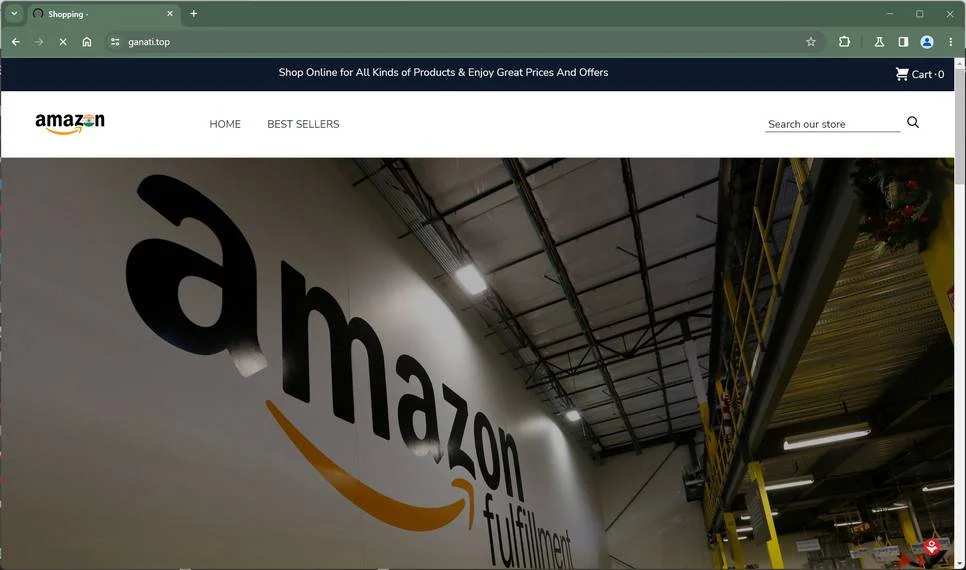
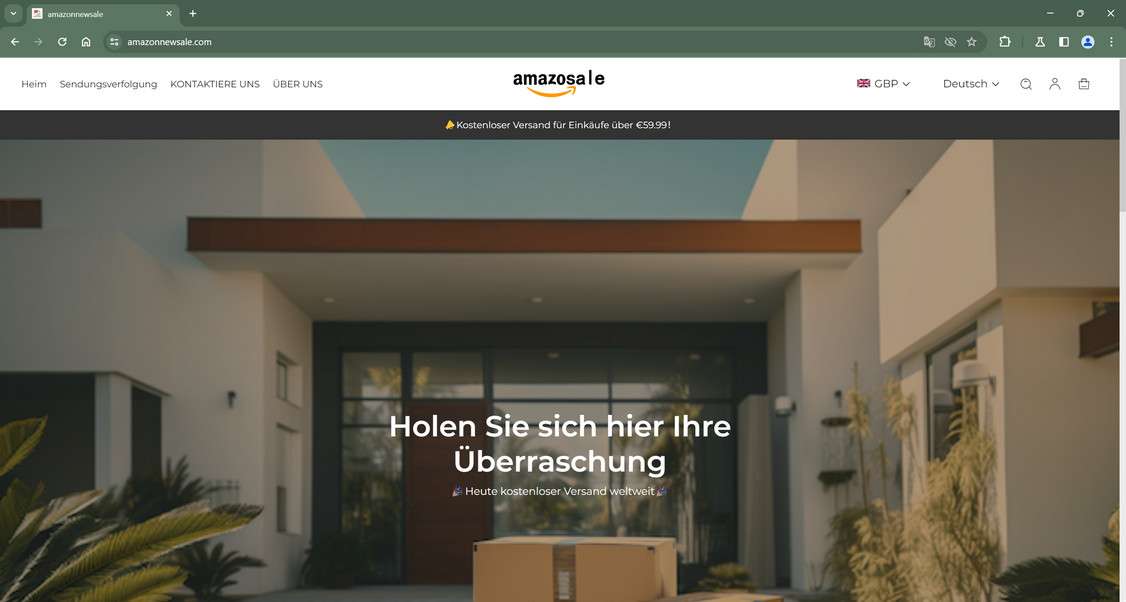
If users click on the ad, it sends them to an ecommerce website made to closely mimic the look and feel of Amazon’s real website. Everything from the logo to the web design is nearly identical. However, upon closer inspection, the URL reveals it is not actually operated by Amazon.
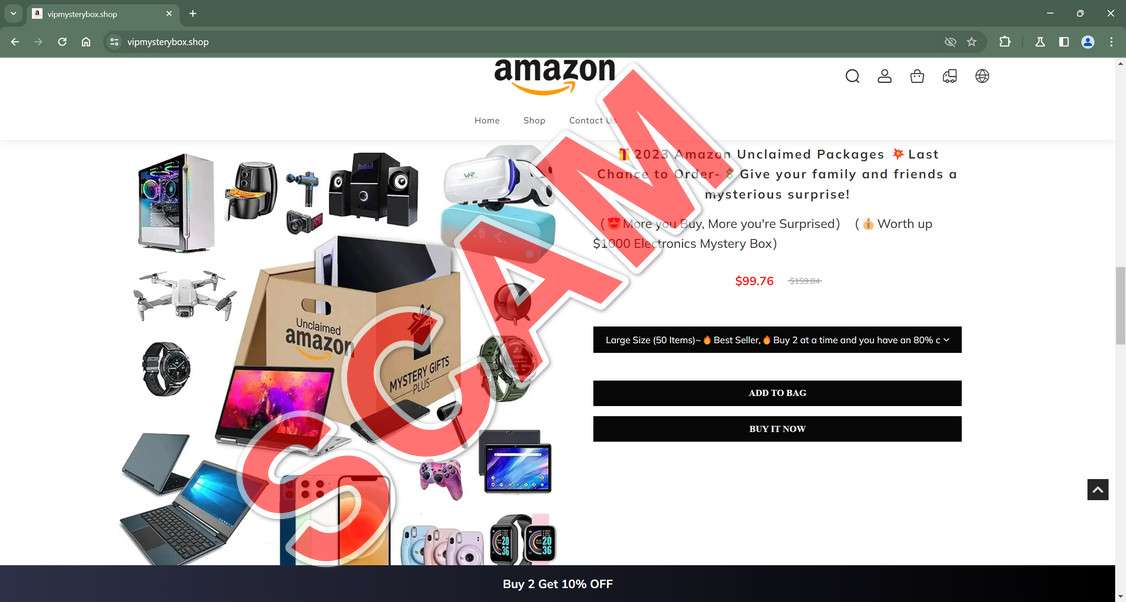
These fraudulent sites prompt users to purchase a mystery box without knowing exactly what is inside. After entering personal and payment information, such as name, address, phone number, and credit card details, the victim completes the transaction. Little do they know, they just shared their data with cybercriminals running the fake operation.
Soon after making the purchase, victims discover they have been scammed. The majority of people report never receiving anything at all from the order. Those who do receive a delivery are shocked to find it is a cheap product vastly inferior to what was advertised, like a five dollar pair of sunglasses. Others have been enrolled in unwanted monthly subscription services without consent. There is often no way to return the unwanted product or cancel these fraudulent subscriptions.
This deceptive scam has allowed cybercriminal networks to rake in millions of dollars from unsuspecting shoppers. In 2021 alone, the Better Business Bureau received over 1,200 complaints related to fraudulent mystery box sales and Amazon imposter scams. However, the actual number of victims is likely far higher, in the tens or hundreds of thousands.
Tech giants like Facebook and Alphabet, which owns YouTube, have pledged to crack down on these shady ads after facing public scrutiny. However, the scam artists running these networks have proven adept at finding loopholes and new tactics to continue targeting users. For instance, they employ an army of fake social media accounts to make the ads look more legitimate.
The ability to create Lookalike sites that convincingly impersonate Amazon allows them to operate largely unchecked. Victims have found it nearly impossible to get refunds or even contact the sellers after the fact. These sites provide no working phone number, physical address or way to reach the company. Any email addresses used for ordering are quickly deactivated or ignored. Making matters worse, credit card companies usually refuse to issue chargebacks since it appears at first glance that the purchases were made through Amazon.
Law enforcement has also struggled to take down these fraudulent operations, since the people behind them conceal their identities and locations using various methods. They expertly exploit jurisdictions and gaps in international cybercrime laws. Many of these scam networks likely originate overseas in countries notorious for harboring cybercriminals.
Ultimately, the Amazon pallets scam preys on the trusting nature of social media users and exploits blind spots in the online retail world. These brazen scam artists have managed to profit immensely from this fraud by using sophisticated techniques and social engineering. Until more comprehensive protections and regulations are put in place, spreading awareness may be the best recourse for now. Those informed about the tactics and warning signs can avoid falling victim.
How the Amazon Pallets Scam Works
The criminals running these fraudulent operations have developed a calculated step-by-step process to effectively scam their victims. Here is how the Amazon pallets scam typically operates:
Step 1: Creating the Bait Social Media Posts
The scammers set up networks of fake social media accounts across platforms like Facebook, Instagram, YouTube, and TikTok. Some accounts impersonate real users complete with profile photos and posts about their “lives”. Others operate as brand pages named like “Amazon Warehouse Deals” or “Amazon Liquidation”.
2
Step 2: Directing Victims to Elaborate Fake Ecommerce Sites
When users click the link in the social media posts, they are taken to an ecommerce website designed to closely mimic the experience of Amazon’s real website. The logo, web design, product listings, and even the URL at first glance look authentic.
These elaborate fake sites are hosted on domain names like “Amazon-Outlet-Shop[dot]com” to appear legitimate. Some even have fake reviews, customer support chat boxes, and accounts dashboards to dupe users. The criminals behind these sites pay vast sums to SEO experts and web developers to create believable Amazon imposters.
Step 3: Prompting Users to Purchase a Mystery Box
The fake Amazon sites prompt users to purchase a mystery pallet without knowing exactly what is inside. Options like “Mystery Electronics Pallet” or “Surprise Tools Pallet” tout the prospect of scoring amazing deals on expensive items.
After users select a pallet, they move through a checkout process similar to Amazon’s real checkout flow prompting them to enter their name, address, phone number, and credit card information. Victims readily hand over this valuable personal data.
Step 4: Harvesting User Data and Payment Info
During checkout, the victim enters sensitive data like their name, home address, phone number, email address, and credit card details which the scammers immediately harvest. This information can be used to commit identity theft or sold on the dark web.
They may also repeatedly charge the credit card for “subscription fees” days later. Since the sites appear legitimate, victims often don’t notice these extra charges buried in their statements.
Step 5: Sending Worthless Trinkets or Nothing
If anything arrives at all, victims receive cheap trinkets like five dollar bracelets vastly inferior to the pallet advertised. However, the majority of people scammed report never receiving any delivery.
For victims enrolled in unwanted subscriptions, small monthly charges continue as the scammers profit indefinitely. Cancelling these subscriptions is nearly impossible.
Step 6: Disappearing Without a Trace
When users inevitably try to contact the sellers about the fraudulent purchase or non-delivery, they find no way to reach them. Email addresses stop working. Phone numbers are out of service or lead to disconnected lines. Any physical addresses given trace back to vacant lots or random buildings.
The fake sites soon go dormant or disappear altogether. The scammers cover their tracks, making it impossible for victims to recover lost money or personal information stolen.
Step 7: Rinsing and Repeating the Scam
These scam networks strike quickly then disband before they can be caught. But the individuals behind them simply form new entities under different names and domains to rinse and repeat.
They reuse stolen personal data to create new fake social media accounts to place ads. They build fresh fraudulent storefronts mimicking Amazon’s site. Then they promote new batches of mystery pallets, continuing the scam cycle endlessly.
This allows them to operate indefinitely while evading detection from social media companies, law enforcement, and consumers. Staying a step ahead is how they continue raking in millions from unsuspecting shoppers.
The level of effort and sophistication these criminal networks exhibit is a testament to how profitable the Amazon pallets scam has become for them. Avoiding falling victim requires being able to recognize the warning signs of their deceptive tactics.
What to Do If You Are Victimized By This Scam
If you have fallen prey to the Amazon pallets scam, here are the steps you should immediately take:
Contact Your Credit Card Company
Report the fraudulent charges and request a chargeback. Provide any details about the scam site and product. Chargebacks can recoup your money if done quickly enough.
Report the Incident to the FTC
File a scam report with the Federal Trade Commission so they can investigate the site. This helps authorities track and prosecute these scammers.
Watch for Signs of Identity Theft
Monitor your accounts and credit reports closely for any suspicious activity. Scammers may have collected your data to commit future identity fraud.
Learn to Identify Fake Ecommerce Sites
Study the red flags like misleading URLs or contact info, too-good-to-be-true prices, and plagiarized content so you can avoid future scams. See the next section for details on spotting fake sites.
Spread Awareness About This Scam
Post on social media or report the ads you come across to protect others from being victimized. The more awareness about this scam, the less victims the scammers can claim.
How to Avoid Falling Victim to Amazon Pallets Scams
While scammers are using increasingly advanced tactics, these tips can help identify fraudulent sites selling fake Amazon pallets:
1. Research Unfamiliar Websites
Do a domain lookup to see when the site was registered. Recently created sites are high risk. Run a search for any reviews or scam reports.
2. Look for Working Contact Information
Real companies have working customer service phone numbers, email addresses and physical addresses. Lack of this is a red flag.
3. Beware Too-Good-to-Be-True Pricing
Legitimate businesses do not offer brand new, expensive products for 90% off retail pricing. Skepticism is needed for sites advertising unrealistic discounts.
4. Review Return and Refund Policies
Not offering easy returns or refunds is common for scam sites. Check policies before purchasing.
5. Look for Plagiarized Content
Scam sites steal product photos and descriptions. Reverse image search anything suspicious. Unique content indicates legitimacy.
6. See If There’s a Social Media Presence
Research social accounts associated with the business. Lack of any is a strong warning sign.
7. Use Common Sense
If something seems fake, it likely is. Trust your instincts if you suspect a site is not authentic.
Legitimate Auction Houses vs. Scam Social Media Ads
While the Amazon pallets scam is prolific online, there are some legitimate companies that deal in surplus and returned merchandise in a trustworthy manner. However, it takes careful research to discern fake social media ads from legitimate auction houses.
Some liquidation companies actually obtain leftover inventory and customer returns from Amazon fulfillment centers. They resell these items through business-to-business channels or at public auctions, which companies and individual resellers attend in person to bid. This secondary market for wholesale surplus and refurbished goods generated over $700 billion in 2022.
Well-known auction houses like Liquidity Services and B-Stock Solutions have built reputations dealing in this type of resale over decades. They offer transparent sales through live or online auctions with robust terms and conditions for bidding verified business entities. Purchasing mystery pallets sight-unseen does not align with their business models.
In contrast, the social media ads promoting Amazon mystery boxes do not lead to any legitimate sales platforms. The ads link to fake ecommerce sites designed specifically to scam users and collect payment information. No actual inventory exists – users receive nothing or a nearly worthless item.
These scam ads also use sensationalized language like “Going out of business sale!” or “Store closing clearance!” while legitimate auction houses offer no such hyped sales gimmicks. They turn profits by keeping margins reasonable but not impossibly low. If an ad seems too good to be true, it most certainly is.
Scrutinize any social media posts about unbelievable deals on Amazon pallets. Do research into where the ads actually lead. Search for reviews of the company. If the destination has no online trail or reputation, do not engage. Ultimately, trustworthiness comes from transparency. Scammers rely on hiding behind fake identities and claims. Make informed decisions to protect your data and money.
Frequently Asked Questions About the Amazon Pallets Scam
1. What exactly is the Amazon Pallets scam?
This scam involves advertisements on social media for mystery pallets of unclaimed Amazon returns being sold for unbelievably low prices, like $59 or $99. The ads promise expensive gadgets and electronics or premium tools are hidden in the pallets. However, the pallet contents never match the ads. Victims either receive cheap trinkets or nothing at all after the scammers collect their money and personal information.
2. Where do the scam ads appear?
The ads are showing up on Facebook, Instagram, YouTube, TikTok, and Google searches. Scammers use sponsored posts and video ads on social media feeds to target users. They also bid on keywords related to Amazon and mystery boxes so the ads appear at the top of Google results.
3. What techniques do the scammers use?
Scammers create elaborate fake websites impersonating Amazon’s real site to lure victims. They employ fake social media accounts and profiles to make the ads seem more legitimate. Stolen consumer data helps them continually set up new entities to avoid detection. They expertly manipulate social media algorithms and paid advertising platforms.
4. What happens when you click on one of the ads?
Clicking the link in the ads takes users to a fake ecommerce site cloned to look exactly like Amazon’s. The site prompts visitors to purchase a mystery pallet by entering personal and payment information, which the scammers harvest. Victims will not receive what they ordered.
5. What types of products are promised in the ads?
The ads tout pallets containing expensive electronics like iPhones, iPads, gaming consoles, laptops, and smart home tech. Others promise premium power tools and hardware from brands like DeWalt, Milwaukee, Makita, Bosch, and Porter Cable.
6. What do victims really receive from the orders?
Most report never receiving any delivery at all after placing an order. Some receive cheap trinkets like five dollar bracelets or sunglasses that are nearly worthless. Others are subscribed to unwanted monthly services without consent.
7. How much have victims lost to this scam?
In 2022 alone, the Better Business Bureau reported over 1,500 complaints linked to fake Amazon pallet scams, representing likely millions in losses. The total number of victims is estimated to be in the tens or hundreds of thousands worldwide.
8. How can I avoid the Amazon Pallets scam?
Carefully research any company advertising mystery boxes before engaging. Beware of too-good-to-be-true pricing. Scrutinize the URL, contact info, return policies, and content for red flags. Use search engines to find reviews. Trust your instincts if something seems fake.
9. What should I do if I was scammed?
Contact your credit card company and file a fraud complaint to attempt a chargeback. Report the incident to the FTC to aid investigations. Monitor your credit reports for any suspicious activity. Learn to better identify fake sites using the warning signs.
10. How can I report a scam ad or site?
Report fraudulent ads or sites to the social media platform on which they appear. Submit complaints to the Better Business Bureau and Federal Trade Commission to get the entities investigated. Spread awareness about the scam on social media to help warn others.
The Bottom Line
The Amazon pallets scam is a fraud creeping across social platforms and misleading shoppers into handing over money and personal data. These sites exploit interest in discounted Amazon returns that they never intend to deliver. Be vigilant about only using legitimate ecommerce retailers, and thoroughly research unfamiliar sites you encounter online. Share knowledge of this scam with family and friends to prevent more innocent people from being victimized. If you have been a victim, act quickly to report it and mitigate any damage from stolen payment information or identity theft.

Join the discussion
0 commentsShare your experience or ask a question about this article.
Discussion
Start the conversation
Have a question or something useful to share? Add the first comment.