

Amazon is one of the world’s most trusted brands. So when flashy ads online started promoting an “Amazon Coin” cryptocurrency presale with 200% bonus returns, it certainly grabbed attention.
However, excited investors who jumped in fast soon learned the painful truth – it was all a scam designed to steal their hard-earned crypto deposits.
This elaborate fraud uses fake websites, urgent countdown timers, and bogus Amazon branding to trick victims into sending Bitcoin, Ethereum, or other cryptocurrencies to anonymous wallet addresses controlled by scammers.
In this in-depth guide, we’ll reveal how this deceptive scam works at every stage. With knowledge comes power – learn how to avoid becoming the victim of faux Amazon token frauds so your savings stay safe. Let’s dive in!
Overview of the Scam
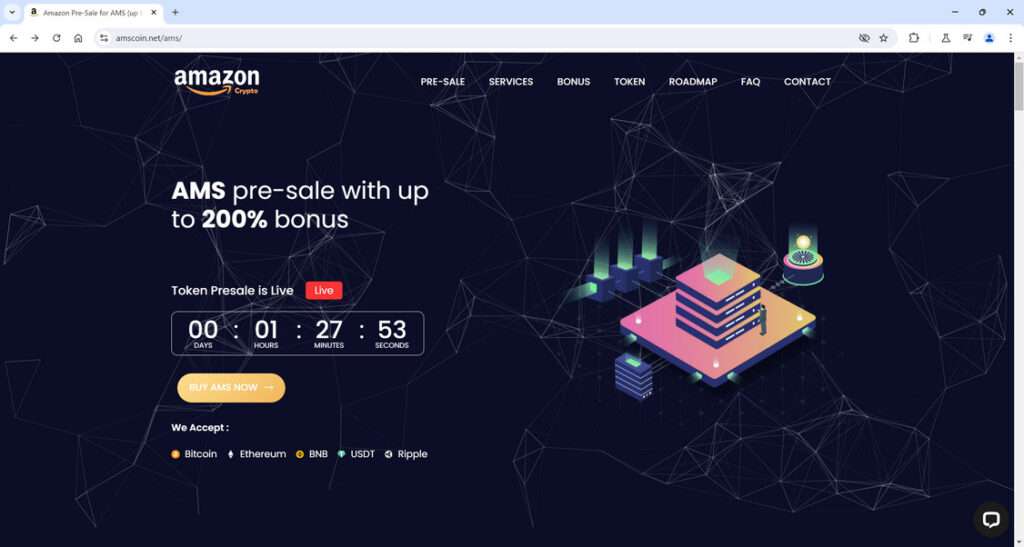
A new cryptocurrency scam has emerged that falsely claims Amazon is launching its own crypto token through a “pre-sale” event. Scammers have created slick websites and ads promoting “Amazon Coin” or “AMS Token” at a huge presale discount, luring in victims with promises of insane bonuses like 200% returns on their investment.
However, Amazon is not launching any such token or cryptocurrency. This is an elaborate fraud designed to steal cryptocurrency deposits from victims lured in by promises of massive returns.
The scammers create slick websites, videos, and ads that strongly resemble official Amazon announcements. These promote the “Amazon Coin” or “AMS Token” cryptocurrency that can supposedly be acquired early through an exclusive presale.
To participate in the presale, victims must send crypto deposits in Bitcoin, Ethereum, or other major cryptocurrencies to a wallet address controlled by the scammers. After sending the funds, the victim never receives any tokens. The scammers immediately steal the deposits.
Highly Convincing Websites and Branding
The websites created for this scam are highly deceptive, perfectly imitating Amazon’s branding, web design, and tone. They look indistinguishable from real Amazon sites at first glance.
Some examples of actual fraudulent domain names used:
- buyamazoncoin.com
- amazon-coin.org
- amazoncryptocurrency.com
- ams-token.io
The sites prominently feature Amazon’s logo, fonts, color scheme and photography. The scam token is made out to be a natural extension of Amazon’s current business. Fake news articles describe Amazon’s long-awaited foray into cryptocurrency.
To lend credibility, the sites reference Amazon’s well-known history of innovation and disruption in e-commerce. The token presale is positioned as giving ordinary investors access to the next big thing before Wall Street.
Countdown Timers and Progress Bars
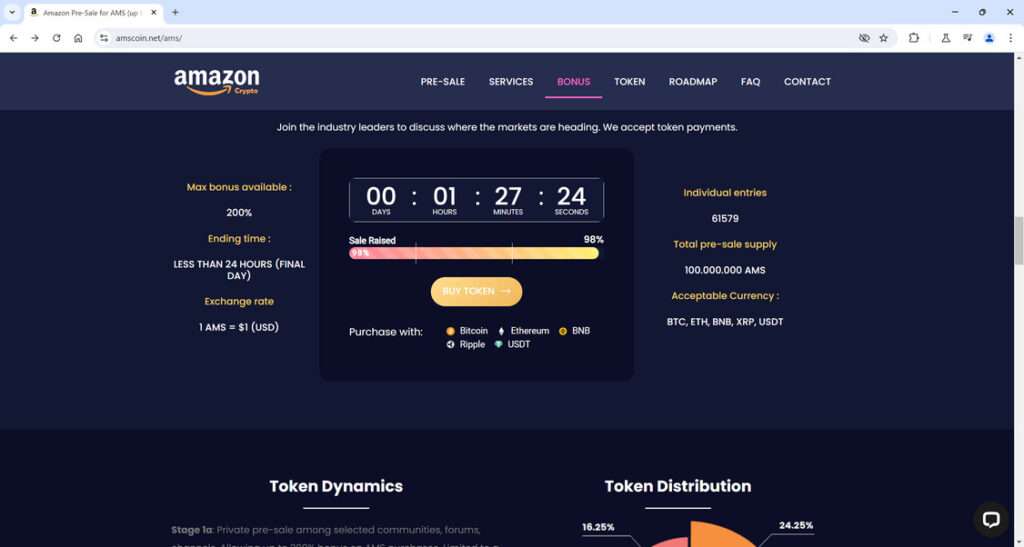
The sites use countdown timers and progress bars to create a false sense of urgency and scarcity. Just like limited-time sales on Amazon.com, the presale timer says the opportunity is almost over.
The progress bar shows the individual purchase quota rapidly filling up. This pressures visitors to send their crypto deposits immediately before missing out.
Of course, it’s all fabricated. Even after the countdown expires, the presale restarts the timer or the progress bar resets back to zero. The scammers keep the scam going continuously to hook more victims.
Duplicate Scam Sites Launching Regularly
While some domains are taken down, new ones pop up in their place. The cheap cost of hosting and templates means the scammers can churn out fake sites faster than individuals or authorities can keep up.
Online forums frequently warn about specific Amazon crypto scam sites, only for near-identical clones with different names to appear weeks later. This persistence allows the fraud to ensnare new victims who missed earlier warnings.
Effective at Tricking Crypto Novices
The presentation heavily emphasizes the ease of participating in the presale, catering perfectly to cryptocurrency novices.
Screenshots demonstrate simple enrollment and token purchase processes. Bonus referral rewards are offered for inviting friends. This makes the deal more appealing to those with little crypto experience.
By posing as a presale for Amazon, a brand almost everyone knows and trusts, the scam puts victims at ease about diving into the complex world of cryptocurrencies.
Promoted Through Online Ads and Social Media
The scammers aggressively promote the bogus Amazon token presales through paid ads on major platforms like Facebook, Instagram, YouTube, and Google.
Ads link directly to the fake presale sites and are targeted to those likely to invest in cryptocurrencies or ICOs. The scam is also pitched in private crypto Telegram and Discord groups.
YouTube videos with titles like “Amazon Coin 1000x Moonshot!” and “AMS Presale Ending Soon!” rack up views spread the fraud even further.
This broad promotion ensures a constant stream of potential victims exposed to the scam daily. All it takes is a small percentage falling for the ruse for the scammers to profit hugely.
How the Elaborate Amazon Token Scam Works
The criminals behind the fake Amazon token presale have crafted an elaborate scam designed to fully deceive their victims. By closely imitating legitimate cryptocurrency sales, they convince targets to send thousands of dollars worth of crypto that is promptly stolen.
Here is an in-depth look at how this devious scam operates at every stage:
1. Creating Convincing Presale Websites
The scammers develop sophisticated websites promoting the fictional “Amazon Coin” ICO using templates that perfectly match Amazon’s real site design.
The sites feature direct copies of Amazon’s logo, fonts, colors, and imagery. The textsounds like official Amazon announcements with corporate buzzwords like “leveraging blockchain” and “accelerating innovation”.
After registering deceptive domain names like amazon-crypto.co, the scammers set up SSL certificates to display the padlock and “https” protocol. This helps the sites appear more legitimate.
2. Promising Cryptocurrency Riches
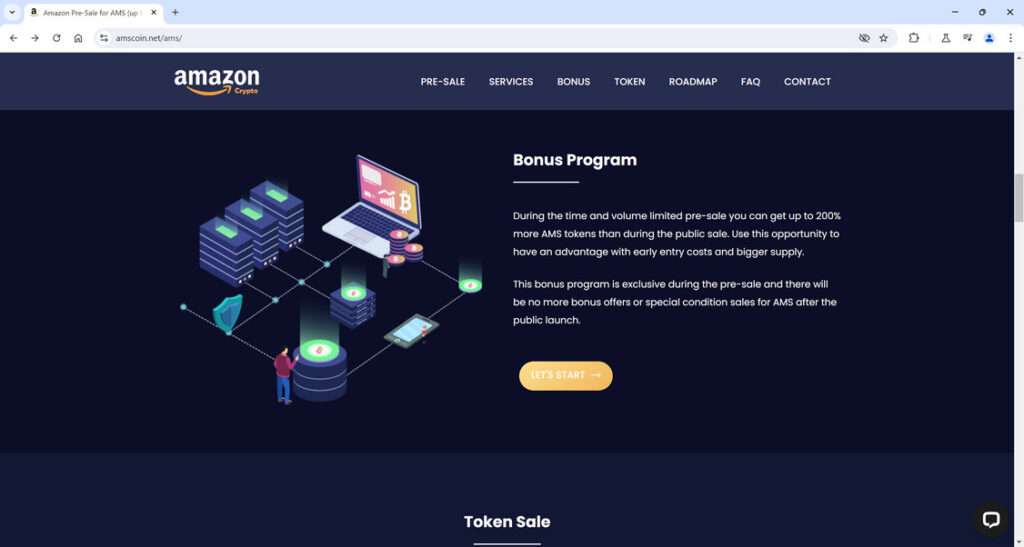
The sites emphasize huge potential gains for early investors, promising the Amazon Coin will climb to a value of $10, $100 or even $1000 per token.
They cite Amazon’s dominance in e-commerce and cloud computing as “guaranteeing” the token’s future success. Fake news articles describe this as bigger than bitcoin and “the ultimate crypto investment”.
By dangling images of massive wealth, the scammers stoke victims’ FOMO – fear of missing out on life-changing returns.
3. Adding Countdown Timers and Purchase Limits
Countdown timers prominently displayed say the ultra-exclusive presale ends in less than 13 hours or only 8 spots remain.
This pressures visitors to immediately purchase the discounted tokens before missing the opportunity forever.
In reality, even after the countdown expires, it simply resets back to 24 hours or more. Or the purchase limit rises back to 500 spots available.
The artificially imposed scarcity triggers a now-or-never fear that drives rushed decision making by victims.
4. Outlining the Presale Details
The sites provide the “details” of the presale – token prices, bonus levels based on purchase amounts, referral rewards, etc. Whitepapers pose as technical documents but contain nothing but buzzwords.
This gives the impression of a thoroughly planned launch, as any major company like Amazon would do. In reality, the arbitrary figures and terms exist only to further the scam.
5. Offering Support Through Chatbots
Many sites provide live chat support with operators who can answer visitors’ questions about participating in the presale. This gives a veneer of legitimacy to the operation.
In reality, it is usually just a bot sending scripted responses to collect personal details from targets and encourage them to purchase the fake tokens.
6. Guiding Victims to Send Crypto
After deciding to purchase the “Amazon Coin”, users must send payment in a major cryptocurrency such as Bitcoin, Ethereum, or BNB.
Step-by-step instructions guide users to send funds from a crypto wallet or exchange account to a specified address. QR codes make this process simple for crypto novices.
Unfortunately this is the address of the scammers’ wallet. As soon as the funds arrive, the criminals withdraw them to an untraceable account.
7. Following Up With More Deception
After receiving victims’ funds, the scammers may send follow-up emails with fake order confirmations and updates on the upcoming token launch.
This conveys the impression that the presale was legitimate and everything remains on track. In reality, they have already absconded with the crypto.
Eventually, victims realize it was all a scam when the faux launch date passes with no token or further communication. By then, it’s far too late.
What to Do if You Sent Crypto to the Fake Amazon Token Sites
If you unfortunately sent cryptocurrency to one of the fake Amazon token presale websites, all hope is not lost. Here are the steps experts recommend taking to potentially recover funds and prevent further loss:
1. Contact Your Crypto Exchange or Wallet Provider Immediately
Your first priority is to contact the cryptocurrency exchange or wallet provider that you sent the funds from.
Alert them that you accidentally sent crypto to a scam address and ask if they can assist in any way to recover the assets. Some providers have fraud departments that can potentially help reverse or cancel fraudulent transactions.
Provide them with all relevant details like the transaction ID and the scam wallet address you sent funds to. Make it clear you are the victim of a scam. Time is critical, so reach out to customer support immediately.
2. Report the Scam to Relevant Authorities
To prevent the scammers from victimizing others, report them to cybercrime authorities in your region.
In the United States, you can file an internet crime complaint with the FBI at www.ic3.gov. They use reports to track fraud trends and bring legal action when possible.
Provide all details on the scam website, cryptocurrency payments, and any correspondence with the scammers. The more evidence authorities have, the better.
3. Expose the Scam Publicly to Warn Others
Post details about the fake Amazon token website on social media channels and crypto forums to make others aware of the scam. Describe specifics like site names, payment addresses, and tactics used.
The more the scam is publicly exposed, the fewer victims the fraudsters can deceive. You may prevent others from losing their savings.
4. Learn From This Experience Going Forward
While costly, let this scam serve as a teaching experience for evaluating future investments with greater caution.
Do thorough due diligence on any token sale or ICO opportunity before sending funds. Check for solid evidence like public statements by the company, proper business registration, and conversations with existing coin holders.
Any promotion insisting you invest quickly or risk missing out is highly suspect. Never take at face value claims of amazing profits. Protect your crypto holdings through education.
5. Don’t Give Up Hope
While recovering stolen cryptocurrency can be challenging, it is not always impossible. With prompt action and persistence, victims can potentially get some or all of their funds returned.
If the crypto provider cannot void the transaction, legal action against the scammers may eventually help claw back some losses.FILE
So act quickly and stay determined. Cryptocurrency fraud is rampant, but a victim today can become a survivor tomorrow – and prevent others from falling prey.
Here is a section on how to spot scam ads and websites for the fake Amazon token:
How to Identify Scam Ads and Websites
The criminals behind the fake Amazon token scam rely heavily on social media ads and fake websites to promote their fraud and lure in victims. Here are some tips to recognize these scam ads and sites:
Warning Signs of Scam Ads
- Uses terms like “Amazon Coin” or “AMS Token” – Amazon has never announced these
- Emphasizes a limited-time presale or bonuses for buying quickly
- Shows inflated potential profits like “5x your money guaranteed!”
- Uses fake celebrity endorsements and scam “news” articles
- Links to outside websites instead of official Amazon pages
- Appears as pop-ups or notification ads urging immediate action
- Makes claims that seem too good to be true
Red Flags for Scam Websites
- Domain name tries to mimic Amazon like “amazon-crypto” or “buyams”
- Countdown timer says the presale is almost over
- Shows a progress bar indicating limited supply
- Displays fake team profiles or a vague whitepaper
- Poor grammar, spelling, or unrealistic claims
- Requests payment via cryptocurrency to a specific wallet address
- No verified contact info or registered corporate records
- Launched very recently and anonymous owners
When in Doubt, Verify
If something seems suspicious, always independently verify via official Amazon corporate channels before taking any action. Amazon will never promote surprise cryptocurrencies through random third-party ads or sites. Use search engines to find other reports of fraud. And remember – if an opportunity appears too good to be true, it almost certainly is.
Frequently Asked Questions About the Fake Amazon Token Scam
1. How do the scammers create such convincing fake Amazon coin websites?
The criminals utilize site templates and design assets that perfectly mimic Amazon’s official website look. This includes copying the logo, color scheme, fonts, and overall layout. They register deceptive domain names and set up SSL certificates to appear more legitimate in browsers. The content is crafted to sound like Amazon corporate announcements with similar tone and vocabulary. Fake credentials, images, and backstories help build credibility.
2. What techniques do the scammers use to pressure people into buying fast?
The sites prominently display countdown timers and progress bars falsely indicating the presale is almost sold out and ending soon. This creates artificial scarcity and urges the victim to purchase quickly before missing out. Referral bonuses are offered for inviting friends which also builds false hype. Additionally, ads and social media build FOMO through fake hype around the opportunity.
3. How do the criminals advertise the fake Amazon coin presale?
Paid ads on social networks like Facebook and Instagram target those interested in cryptocurrency or susceptible to investment opportunities. YouTube videos and banners lead to the scam sites. Posts in crypto forums and chats spread awareness of the “deal”. Frequently changing site names helps defeat blocks or warnings.
4. What cryptocurrencies do victims have to send to participate in the scam?
The fake sites instruct users to send deposits in major cryptocurrencies like Bitcoin, Ethereum, BNB, or USDT to a specified wallet address. QR codes and simplified instructions cater to crypto-investing newcomers. The address belongs to the scammers so they can immediately steal funds.
5. How can you verify if an Amazon coin ICO opportunity is real or fake?
Reputable companies make major product announcements on their official corporate sites and distribution channels, not random blogs or ads. Search Amazon’s press releases for any mention of crypto plans. Be very wary of “presales” tied to countdown timers or purchase quotas. Always independently verify the project’s legitimacy through multiple trustworthy sources.
6. What should you do if you already sent crypto to one of the Amazon token scam sites?
Immediately contact your wallet provider or exchange to report the fraudulent transaction, providing key details like the sending address, destination address, and site URL. Report the fraud to authorities like the FBI with all relevant evidence. Post public warnings to help expose the scam and prevent further victims. And learn to research future crypto investments more thoroughly before sending funds.
7. How can investors protect themselves from cryptocurrency scams in the future?
Conduct thorough due diligence on any ICO opportunity before investing. Search for the project and founders’ names in forums to look for accusations of fraud. Review the whitepaper carefully for unrealistic claims or vague language. Begin with small test investments. And never believe pressure tactics urging you to invest quickly or risk missing out.
8. Are there any legitimate Amazon cryptocurrencies or coins?
No. Amazon has never announced plans to develop its own cryptocurrency or token. Any website or advertisement that claims Amazon is holding a token presale or ICO is guaranteed to be a scam. Amazon will never contact consumers directly pitching crypto investments out of the blue. Beware of “exclusive” offers with tight timelines or bonuses.
Stay vigilant and protect your hard-earned savings by recognizing the warning signs of cryptocurrency scams. Always do your own research before investing.
The Bottom Line
The bottom line is there is no Amazon token presale. No matter how legitimate a site looks or how amazing the bonuses sound, it’s all a fraud to steal your crypto. Don’t rush into ICOs or token sales without verifying them through official channels.
When a major company like Amazon launches a cryptocurrency, they will make formal announcements on their corporate website and through press releases. Anything else is highly likely to be a scam designed to play on people’s greed and FOMO. Stay vigilant in the crypto space – if an opportunity seems too good to be true, it probably is.








