

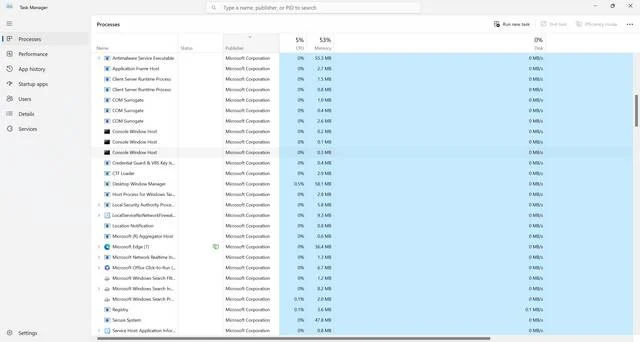
When you open the Task Manager on your Windows computer, you may notice a process called “AMD Accelerated Video Transcoding” running in the background. This process, also known as “amdacpusrsvc.exe,” is a legitimate component of AMD graphics drivers and serves an important purpose in enhancing video playback and transcoding capabilities on your system.
Understanding AMD Accelerated Video Transcoding
AMD Accelerated Video Transcoding is a feature provided by AMD graphics drivers that leverages the power of your AMD GPU (Graphics Processing Unit) to accelerate video encoding and decoding processes. This technology is particularly useful for tasks such as video playback, video editing, and video transcoding.
Video transcoding refers to the process of converting a video file from one format to another. It involves decoding the original video file, making necessary modifications, and then encoding it into a different format. This process can be resource-intensive and time-consuming, especially for large video files or high-resolution content.
AMD’s video transcoding technology offloads a significant portion of the processing workload from the CPU to the GPU, resulting in faster and more efficient video transcoding. By utilizing the parallel processing capabilities of the GPU, AMD Accelerated Video Transcoding can significantly reduce the time required to transcode videos while maintaining high-quality output.
Why Is It Running in Task Manager?
Seeing the AMD Accelerated Video Transcoding process running in the Task Manager is completely normal and indicates that your AMD graphics drivers are functioning correctly. The process runs in the background to provide hardware acceleration for video-related tasks, ensuring smooth playback and efficient video transcoding.
It’s worth noting that the AMD Accelerated Video Transcoding process may consume a certain amount of system resources, including CPU and GPU usage. However, this is expected behavior as it indicates that the GPU is actively assisting in video processing tasks. In most cases, the resource usage should not cause any significant performance issues unless there are underlying hardware or software conflicts.
If you notice unusually high resource usage or encounter any performance problems related to the AMD Accelerated Video Transcoding process, it’s recommended to update your AMD graphics drivers to the latest version. Outdated drivers can sometimes lead to compatibility issues or bugs that affect the performance of video-related processes.
Ensuring Security and Performance
While the AMD Accelerated Video Transcoding process is a legitimate component of AMD graphics drivers, it’s essential to remain vigilant about potential security risks. Malware and viruses can sometimes disguise themselves as legitimate processes to evade detection.
If you suspect any malicious activity or want to ensure the security of your system, it’s advisable to run a thorough scan using reliable antivirus software. Malwarebytes Free is a trusted antivirus tool that can help detect and remove malware effectively.
Additionally, keeping your operating system and graphics drivers up to date is crucial for optimal performance and security. Regularly check for driver updates on the official AMD website or use automatic driver update tools to ensure you have the latest version installed.
Conclusion
The AMD Accelerated Video Transcoding process running in the Task Manager is a legitimate component of AMD graphics drivers that enhances video playback and transcoding capabilities on your system. By offloading video processing tasks to the GPU, it significantly improves performance and reduces the time required for video transcoding.
While the process may consume system resources, it is expected behavior and should not cause significant performance issues. However, if you encounter any problems, updating your AMD graphics drivers to the latest version is recommended.
Remember to prioritize the security of your system by regularly scanning for malware and keeping your operating system and drivers up to date. With the right precautions in place, you can enjoy the benefits of AMD Accelerated Video Transcoding while ensuring a secure and efficient computing experience.

Join the discussion
0 commentsShare your experience or ask a question about this article.
Discussion
Start the conversation
Have a question or something useful to share? Add the first comment.