

When you open the Task Manager on your Windows computer, you may come across a process called “AMD Crash Defender Service” running in the background. This can be a cause for concern for some users who are unfamiliar with this process and its purpose. In this article, we will delve into the details of the AMD Crash Defender Service process, explain why it is running, and provide valuable insights to help you understand its significance.
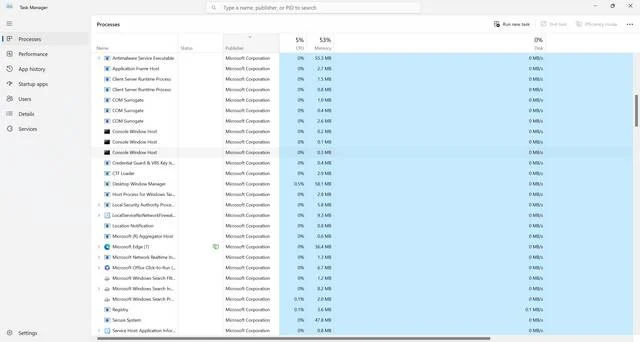
What is the AMD Crash Defender Service?
The AMD Crash Defender Service is a background process that is part of the AMD Radeon Software package. It is designed to enhance the stability and reliability of your AMD graphics card by monitoring for potential crashes or system instability. When it detects a potential issue, it takes proactive measures to prevent a system crash and ensure a smoother user experience.
Why is the AMD Crash Defender Service Running?
The AMD Crash Defender Service runs automatically when you install the AMD Radeon Software package on your computer. It is enabled by default to provide continuous monitoring and protection for your AMD graphics card. The service is designed to work in the background without causing any noticeable impact on system performance.
AMD recognizes that system crashes can be frustrating and disruptive, especially during critical tasks such as gaming or content creation. The AMD Crash Defender Service aims to mitigate these issues by identifying potential crashes before they occur and taking preventive measures to keep your system running smoothly.
How Does the AMD Crash Defender Service Work?
The AMD Crash Defender Service works by monitoring various parameters and performance metrics of your AMD graphics card. It keeps track of factors such as temperature, power consumption, and driver stability. If it detects any anomalies or signs of potential instability, it takes immediate action to prevent a system crash.
One of the key features of the AMD Crash Defender Service is its ability to dynamically adjust the power and performance settings of your graphics card. It can lower the clock speeds or reduce the power consumption to prevent overheating or excessive strain on the GPU. By doing so, it helps maintain a stable system environment and prevents crashes caused by hardware-related issues.
Should You Be Concerned About the AMD Crash Defender Service?
The presence of the AMD Crash Defender Service in the Task Manager is nothing to be alarmed about. It is a legitimate process developed by AMD to enhance the stability and reliability of their graphics cards. However, if you notice any unusual behavior or performance issues related to the AMD Crash Defender Service, it is recommended to perform a thorough scan for viruses or malware using a reliable security software like Malwarebytes Free.
How to Disable or Remove the AMD Crash Defender Service?
If you prefer to disable or remove the AMD Crash Defender Service for any reason, you can do so through the AMD Radeon Software interface. Here’s how:
- Open the AMD Radeon Software by right-clicking on your desktop and selecting “AMD Radeon Software” from the context menu.
- In the Radeon Software interface, click on the “Settings” tab located at the bottom right corner of the window.
- Under the “Preferences” section, click on “AMD Crash Defender” to access the settings for the service.
- Toggle the switch to disable the AMD Crash Defender Service.
It is important to note that disabling the AMD Crash Defender Service may increase the risk of system crashes or instability, especially if you frequently engage in resource-intensive tasks like gaming or video editing. Therefore, it is recommended to only disable the service if you have a specific reason to do so and are aware of the potential consequences.
Conclusion
The AMD Crash Defender Service is a valuable component of the AMD Radeon Software package that aims to enhance the stability and reliability of your AMD graphics card. It runs in the background, monitoring for potential crashes or system instability, and takes proactive measures to prevent a system crash. While its presence in the Task Manager may raise questions for some users, it is a legitimate process developed by AMD and should not be a cause for concern.
If you encounter any issues related to the AMD Crash Defender Service, it is recommended to perform a thorough scan for viruses or malware using a reliable security software like Malwarebytes Free. Disabling or removing the service should only be done if you have a specific reason to do so and are aware of the potential consequences.
By understanding the purpose and functionality of the AMD Crash Defender Service, you can make informed decisions regarding its presence on your system and ensure a stable and reliable computing experience.

Join the discussion
0 commentsShare your experience or ask a question about this article.
Discussion
Start the conversation
Have a question or something useful to share? Add the first comment.