

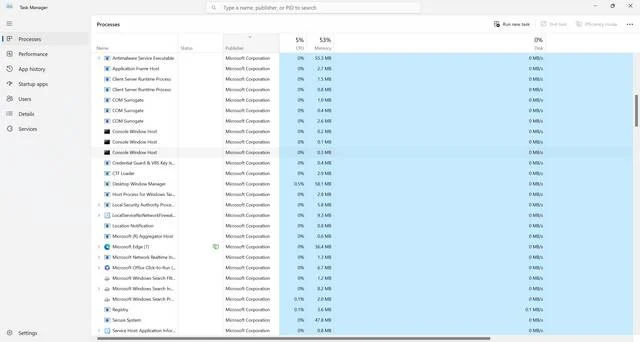
When you open the Task Manager on your Windows computer, you may notice a process called “AMD Desktop File Monitor” running in the background. This process, also known as amd64_file_monitor_service.exe, is associated with AMD graphics cards and is responsible for monitoring file changes on your desktop. While it may seem unusual to see this process running, it is a legitimate component of AMD software and is not a cause for concern.
Understanding the Purpose of AMD Desktop File Monitor
The AMD Desktop File Monitor process is part of the AMD Radeon Software, which is a suite of drivers and software designed to enhance the performance and functionality of AMD graphics cards. This process specifically monitors file changes on your desktop, including the creation, modification, and deletion of files.
One of the main reasons for this monitoring is to provide quick access to recently created or modified files through the AMD Radeon Software interface. By keeping track of file changes, the software can display a list of recently accessed files, making it easier for users to find and open their most frequently used files.
Additionally, the AMD Desktop File Monitor process helps improve the overall performance of the AMD Radeon Software. By monitoring file changes, the software can update its internal database and optimize its file indexing algorithms, resulting in faster file searches and improved system responsiveness.
Is AMD Desktop File Monitor a Security Threat?
Given the prevalence of malware and malicious processes, it is natural to be cautious when encountering unfamiliar processes running on your computer. However, the AMD Desktop File Monitor process is not a security threat. It is a legitimate component of AMD software and is digitally signed by AMD, ensuring its authenticity.
That being said, it is always a good practice to regularly scan your computer for viruses and malware. If you have any concerns about the AMD Desktop File Monitor process or suspect that it may be related to a security issue, it is recommended to perform a thorough scan using reliable antivirus software. Malwarebytes Free is a popular choice for scanning and removing malware.
How to Disable or Remove AMD Desktop File Monitor
If you find the AMD Desktop File Monitor process unnecessary or want to disable it for any reason, you have a few options:
- Disable AMD Radeon Software: The AMD Desktop File Monitor process is an integral part of the AMD Radeon Software. If you no longer use or need the software, you can uninstall it from your computer. Keep in mind that uninstalling the software will also remove other features and functionalities provided by AMD Radeon Software.
- Disable Startup: If you want to keep the AMD Radeon Software installed but prevent the AMD Desktop File Monitor process from running at startup, you can disable it from the startup programs list. To do this, open the Task Manager, go to the “Startup” tab, locate the AMD Desktop File Monitor process, and disable it.
It is important to note that disabling or removing the AMD Desktop File Monitor process may impact the functionality and performance of the AMD Radeon Software. If you rely on the software for features such as file indexing and quick access to recently accessed files, it is recommended to keep the process enabled.
Conclusion
The AMD Desktop File Monitor process is a legitimate component of AMD Radeon Software and is responsible for monitoring file changes on your desktop. It helps improve the performance of the software and provides quick access to recently accessed files. While it may seem unusual to see this process running in the Task Manager, it is not a security threat and is digitally signed by AMD.
If you have any concerns about the AMD Desktop File Monitor process or suspect a security issue, it is recommended to scan your computer using reliable antivirus software such as Malwarebytes Free. If you find the process unnecessary, you can choose to disable or remove it, but keep in mind that it may impact the functionality and performance of the AMD Radeon Software.
Overall, understanding the purpose and functionality of processes running on your computer can help alleviate concerns and ensure a smooth and secure computing experience.

Join the discussion
0 commentsShare your experience or ask a question about this article.
Discussion
Start the conversation
Have a question or something useful to share? Add the first comment.