

When you open the Task Manager on your Windows computer, you may come across a process called “AMD External Events Utility” running in the background. This process, also known as “atiesrxx.exe,” is associated with AMD graphics cards and is responsible for managing external events related to the graphics card’s functionality. In this article, we will explore why the AMD External Events Utility process is running in Task Manager and what it means for your system.
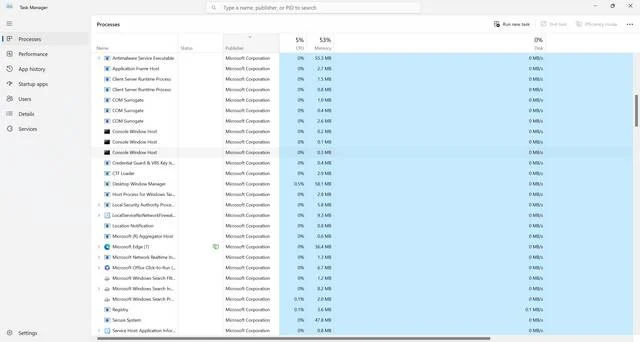
Understanding the AMD External Events Utility Process
The AMD External Events Utility process is a legitimate component of the AMD graphics card driver software. It is designed to handle various external events that may occur, such as hot-plugging or unplugging a display device, changing display settings, or adjusting graphics card performance.
When you install the AMD graphics card driver on your system, the AMD External Events Utility process is automatically installed as part of the driver package. It runs in the background to ensure smooth communication between the graphics card and the operating system, allowing you to make changes to display settings and optimize graphics performance.
Why Is the AMD External Events Utility Process Running?
The AMD External Events Utility process runs in the background to provide essential functionality for your AMD graphics card. Here are some reasons why it may be running:
- Graphics Card Configuration: The process is responsible for handling changes in graphics card configuration, such as connecting or disconnecting external displays. It ensures that the system recognizes and adjusts to these changes seamlessly.
- Power Management: The AMD External Events Utility process also plays a role in power management. It helps the graphics card adapt its power consumption based on the system’s requirements, optimizing energy efficiency.
- Performance Optimization: The process allows you to adjust various graphics settings, such as resolution, refresh rate, and color depth. It ensures that these changes are applied correctly and that the graphics card performs optimally.
- Compatibility and Stability: By running in the background, the AMD External Events Utility process helps maintain compatibility and stability between the graphics card driver and the operating system. It ensures that the driver functions as intended and prevents conflicts or crashes.
Is the AMD External Events Utility Process Safe?
The AMD External Events Utility process is a legitimate component of the AMD graphics card driver and is generally safe. However, like any other process running on your system, it is essential to ensure that it is not being exploited by malware or other malicious software.
If you notice any unusual behavior or suspect that the AMD External Events Utility process is causing issues on your system, it is recommended to scan your computer for viruses and malware. One reliable tool for this purpose is Malwarebytes Free, which can detect and remove various types of malware effectively.
How to Manage the AMD External Events Utility Process
If you want to manage the AMD External Events Utility process or prevent it from running, here are a few options:
- Update Graphics Card Drivers: Keeping your graphics card drivers up to date is crucial for optimal performance and security. Visit the official AMD website or use the AMD Radeon Software to download and install the latest drivers for your graphics card.
- Disable Startup: If you want to prevent the AMD External Events Utility process from running at startup, you can disable it from the Windows Startup tab in the Task Manager. However, keep in mind that this may limit the functionality of your graphics card.
- End Task: If you encounter any issues related to the AMD External Events Utility process, you can try ending the task from the Task Manager. However, this should only be done if you are experiencing specific problems and not as a general solution.
Conclusion
The AMD External Events Utility process is an essential component of the AMD graphics card driver software. It runs in the background to handle external events, manage graphics card configuration, optimize performance, and ensure compatibility and stability. While it is generally safe, it is crucial to stay vigilant and scan your system for malware if you suspect any issues. By keeping your graphics card drivers up to date and managing the process effectively, you can ensure a smooth and efficient experience with your AMD graphics card.

Join the discussion
0 commentsShare your experience or ask a question about this article.
Discussion
Start the conversation
Have a question or something useful to share? Add the first comment.