

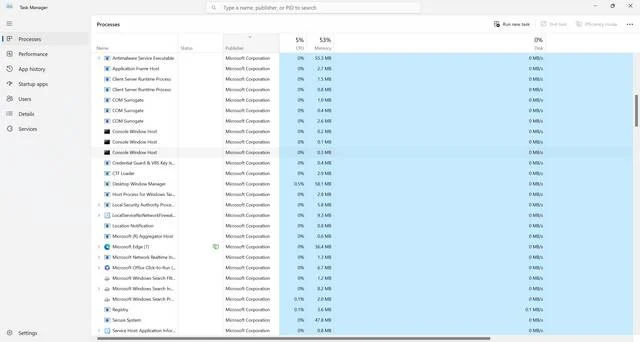
When you open the Task Manager on your Windows computer, you may notice a process called “AMD Radeon Settings” running in the background. This process is associated with AMD graphics cards and is responsible for managing various settings and features related to your graphics card. In this article, we will explore why the AMD Radeon Settings process is running in Task Manager and what it means for your system.
Understanding AMD Radeon Settings
AMD Radeon Settings is a software suite provided by AMD for their graphics cards. It allows users to customize and optimize their graphics card settings, including display options, performance settings, and advanced features. The AMD Radeon Settings process, also known as RadeonSettings.exe, is the main executable file for this software.
When you install the drivers for your AMD graphics card, the AMD Radeon Settings software is also installed. This software runs in the background to provide you with access to the various settings and features of your graphics card. It allows you to adjust settings such as resolution, refresh rate, anti-aliasing, and more.
Why Is AMD Radeon Settings Running in Task Manager?
The presence of the AMD Radeon Settings process in Task Manager is completely normal and expected. It indicates that the software is running and actively managing your graphics card settings. The process starts automatically when you boot up your computer and remains running in the background to ensure that your graphics card functions properly.
AMD Radeon Settings running in Task Manager is not a cause for concern or alarm. It is a legitimate process associated with AMD graphics cards and is necessary for the proper functioning of your graphics card and the software suite.
Is AMD Radeon Settings a Virus or Malware?
While the AMD Radeon Settings process is a legitimate component of AMD graphics card software, it is possible for malware or viruses to disguise themselves as legitimate processes. Therefore, it is always a good idea to scan your computer for malware or viruses if you notice any suspicious behavior or if you are unsure about the legitimacy of a process.
If you suspect that the AMD Radeon Settings process on your computer may be malicious, it is recommended to run a scan with a reputable antivirus or anti-malware software. One such software is Malwarebytes Free, which is known for its effectiveness in detecting and removing malware.
How to Verify the Legitimacy of AMD Radeon Settings
If you want to verify the legitimacy of the AMD Radeon Settings process running on your computer, you can follow these steps:
- Open the Task Manager by pressing Ctrl + Shift + Esc or by right-clicking on the taskbar and selecting “Task Manager.”
- In the Task Manager window, navigate to the “Processes” tab.
- Locate the “AMD Radeon Settings” process in the list of processes.
- Right-click on the process and select “Open File Location.”
- A new File Explorer window will open, showing you the location of the AMD Radeon Settings executable file. The file should be located in the AMD installation directory, typically under “C:Program FilesAMD” or “C:Program Files (x86)AMD.”
If the file is located in the correct directory and has the correct name (“RadeonSettings.exe”), it is likely a legitimate process. However, if the file is located in a different directory or has a different name, it may be a sign of malware or a virus.
Conclusion
The AMD Radeon Settings process running in Task Manager is a normal and expected part of AMD graphics card software. It is responsible for managing your graphics card settings and ensuring its proper functioning. While it is always important to be cautious of potential malware or viruses, the presence of the AMD Radeon Settings process is generally not a cause for concern.
If you have any doubts about the legitimacy of the process or suspect malware, it is recommended to run a scan with a reputable antivirus or anti-malware software, such as Malwarebytes Free. By taking these precautions, you can ensure the security and optimal performance of your AMD graphics card.

Join the discussion
0 commentsShare your experience or ask a question about this article.
Discussion
Start the conversation
Have a question or something useful to share? Add the first comment.