

Apache.exe is a process that you may come across while using your Windows computer. It is a part of the Apache HTTP Server software, which is a popular open-source web server used by millions of websites worldwide. In this article, we will explore what Apache.exe is, its purpose, and whether you should remove it from your system.
Understanding Apache HTTP Server
Apache HTTP Server, commonly known as Apache, is a free and open-source web server software that powers a significant portion of the internet. It was first released in 1995 and has since become one of the most popular web server software options available.
Apache is known for its stability, security, and flexibility. It supports various operating systems, including Windows, Linux, and macOS. Many websites, ranging from small personal blogs to large e-commerce platforms, rely on Apache to serve their web pages to visitors.
What Is Apache.exe?
Apache.exe is the main executable file of the Apache HTTP Server software. When you install Apache on your Windows computer, Apache.exe is responsible for running the server and handling incoming requests from web browsers.
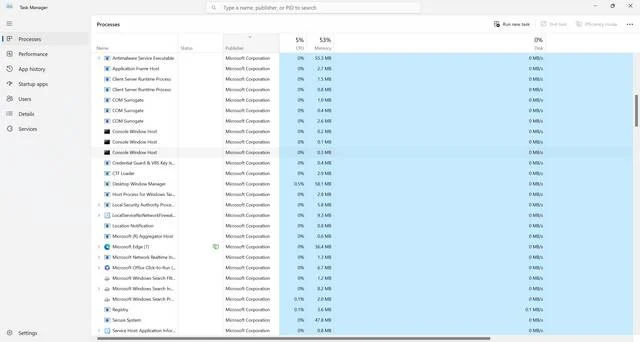
When Apache.exe is running, it may appear as a process in the Windows Task Manager or other system monitoring tools. The process name may vary slightly depending on the version of Apache you have installed, but it typically starts with “Apache” followed by a version number.
Should You Remove Apache.exe?
As a regular computer user, you do not need to remove Apache.exe from your system. It is a critical component of the Apache HTTP Server software and is necessary for the proper functioning of websites that rely on Apache as their web server.
However, if you are not using Apache as a web server on your computer and have no intention of hosting websites, you may consider disabling or uninstalling Apache to free up system resources. Removing Apache.exe alone may not completely remove Apache from your system, as there may be other associated files and services.
Disabling Apache
If you want to disable Apache without uninstalling it, you can stop the Apache service from running. Here’s how:
- Open the Windows Services Manager by pressing Win + R and typing services.msc.
- Scroll down and locate the Apache service. The name may vary depending on the version you have installed.
- Right-click on the Apache service and select Stop.
Disabling Apache will prevent it from running automatically when you start your computer. However, the Apache files will still be present on your system.
Uninstalling Apache
If you want to completely remove Apache from your system, follow these steps:
- Open the Control Panel and navigate to Programs > Programs and Features.
- Locate Apache HTTP Server in the list of installed programs.
- Right-click on Apache HTTP Server and select Uninstall.
- Follow the on-screen instructions to complete the uninstallation process.
Keep in mind that uninstalling Apache will remove all associated files and services from your system.
Scanning for Viruses and Malware
If you suspect that Apache.exe or any other process on your computer may be infected with malware, it is essential to scan your system for viruses. Malwarebytes Free is a reliable and effective antivirus software that can help you detect and remove malware from your computer.
Malwarebytes Free offers real-time protection, automatic updates, and a comprehensive scanning engine to keep your system safe from malware threats.
Conclusion
Apache.exe is a critical component of the Apache HTTP Server software, which powers a significant portion of the internet. While it may appear as a process in the Windows Task Manager, there is generally no need to remove it unless you are not using Apache as a web server.
If you want to disable or uninstall Apache, follow the appropriate steps outlined in this article. Additionally, if you suspect malware infection, it is crucial to scan your system using reliable antivirus software like Malwarebytes Free.
By understanding Apache.exe and its role in web server functionality, you can make informed decisions about its presence on your system and ensure the optimal performance and security of your computer.

Join the discussion
0 commentsShare your experience or ask a question about this article.
Discussion
Start the conversation
Have a question or something useful to share? Add the first comment.