

Apple Application Support 32-bit is a software component that allows certain applications to run on your Mac or Windows computer. It is an essential part of the Apple ecosystem, but recent developments have raised questions about its necessity and potential security risks. In this article, we will explore what Apple Application Support 32-bit is, its purpose, and whether you should consider uninstalling it.
Understanding Apple Application Support 32-bit
Apple Application Support 32-bit is a software framework developed by Apple Inc. It provides a set of libraries and resources that enable certain applications to function properly on both Mac and Windows operating systems. These applications are often developed using older technologies or rely on specific dependencies that require the 32-bit version of the framework.
While Apple has transitioned to 64-bit architecture for its newer operating systems and applications, there are still many legacy applications that rely on the 32-bit version of Apple Application Support to run smoothly. Without this support, these applications may not function correctly or may not run at all.
Should You Uninstall Apple Application Support 32-bit?
Now that we understand what Apple Application Support 32-bit is, let’s discuss whether you should consider uninstalling it. The answer depends on your specific needs and the applications you use on your computer.
1. Check for Compatibility
Before deciding to uninstall Apple Application Support 32-bit, it is crucial to check the compatibility of the applications you use regularly. Some older applications may rely on this framework to function correctly. If you uninstall it without verifying compatibility, these applications may stop working or exhibit unexpected behavior.
To check compatibility, you can visit the official website of each application or contact the developers directly. They will usually provide information about whether their software requires Apple Application Support 32-bit or if it has been updated to work with newer frameworks.
2. Assess Security Risks
While Apple Application Support 32-bit is generally safe to use, it is essential to consider potential security risks. Older software frameworks may have vulnerabilities that could be exploited by malicious actors. If you have outdated applications that rely on this framework, it may be safer to uninstall it to reduce the attack surface on your system.
However, it is crucial to note that uninstalling Apple Application Support 32-bit may render certain applications unusable. Therefore, it is recommended to update your applications to their latest versions whenever possible. Updated software often includes security patches and improvements that mitigate potential risks.
3. Consult with Experts
If you are unsure about whether to uninstall Apple Application Support 32-bit, it is always a good idea to consult with experts or seek advice from online communities. There are dedicated forums and communities where users discuss similar issues and share their experiences. By seeking guidance from knowledgeable individuals, you can make an informed decision based on your specific circumstances.
How to Uninstall Apple Application Support 32-bit
If you have determined that uninstalling Apple Application Support 32-bit is the right choice for you, here are the steps to do so:
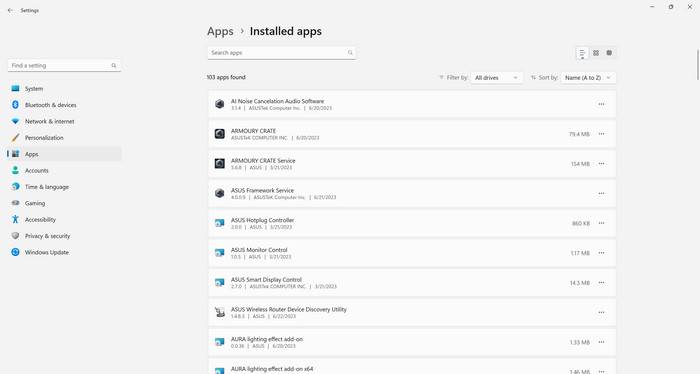
- On a Mac, open Finder and navigate to the “Applications” folder. On Windows, go to the “Control Panel” and select “Programs and Features.”
- Locate “Apple Application Support” in the list of installed programs.
- Right-click on “Apple Application Support” and select “Uninstall” or “Remove.”
- Follow the on-screen instructions to complete the uninstallation process.
After uninstalling Apple Application Support 32-bit, it is recommended to restart your computer to ensure that all changes take effect.
Conclusion
Apple Application Support 32-bit is an essential component for running certain applications on Mac and Windows computers. While it may be necessary for older software, it is crucial to assess compatibility and security risks before deciding to uninstall it. Updating your applications to their latest versions is often the best approach to ensure both functionality and security.
If you choose to uninstall Apple Application Support 32-bit, follow the provided steps and consider restarting your computer afterward. Remember to consult with experts or seek advice from online communities if you are unsure about the best course of action for your specific situation.
Ultimately, the decision to uninstall Apple Application Support 32-bit should be based on careful consideration of your software requirements and security concerns. By making informed choices, you can optimize your computer’s performance and protect it from potential vulnerabilities.

Join the discussion
0 commentsShare your experience or ask a question about this article.
Discussion
Start the conversation
Have a question or something useful to share? Add the first comment.