

You’ve probably seen the ads. “Lose 20 pounds in weeks without dieting!” they say. Or maybe you’ve watched a video promising that taking AquaSculpt and drinking cold water can melt belly fat like magic. These promotions call it the “Ice Water Hack” — a simple trick that allegedly transforms your metabolism overnight.
But if you’re here, you’re probably wondering: Is AquaSculpt legit? Is the Ice Water Hack real? Or is this just another overhyped scam preying on people who want fast results?
This article breaks it all down. We’ll dive into how the AquaSculpt scam works, what red flags to watch for, how to respond if you’ve already been targeted, and why miracle weight loss hacks like this one are more dangerous than they appear.
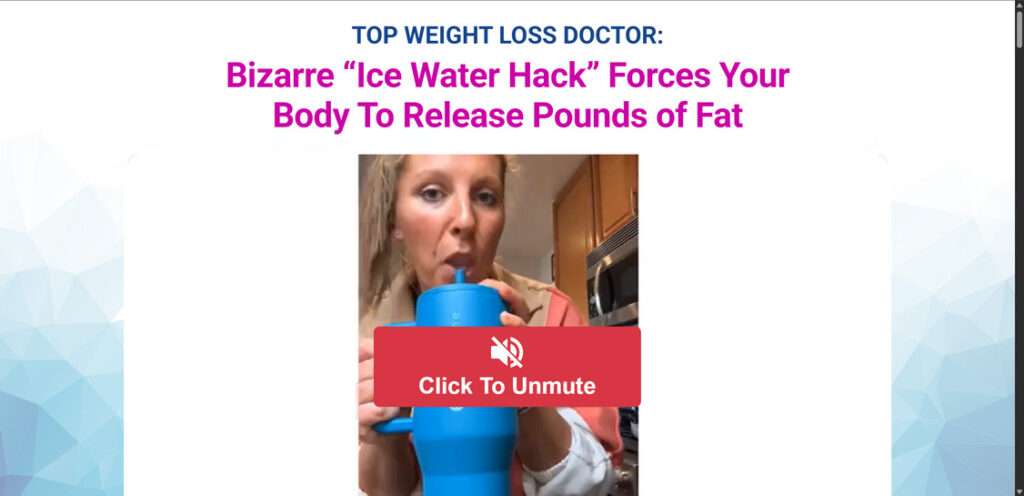
What Is AquaSculpt and the Ice Water Hack?
AquaSculpt is marketed as a weight loss pill that uses a supposed scientific principle — something they call the “Ice Water Hack” — to trigger extreme fat burning. The premise is that if you take their capsule and drink a glass of cold water, your body will burn fat faster due to thermogenic effects.
The pitch sounds compelling. They claim:
- You can lose over 20 pounds in just weeks
- You don’t need to change your diet or exercise
- The product is “doctor-formulated” and “scientifically proven”
- It’s made in the USA and GMP-certified
- Thousands of people have already lost weight with it
But once you look past the surface, these claims begin to fall apart.
Fake Reviews and Fabricated Success Stories
The AquaSculpt website is filled with glowing testimonials, before-and-after photos, and five-star reviews. But a closer inspection reveals a troubling pattern:
- Only a handful of static reviews are shown, and there’s no option for verified customers to leave their own
- Stock images are often used instead of real people
- Claims of “thousands of happy customers” aren’t supported by independent review platforms
Real consumer reviews on third-party platforms like Trustpilot and Amazon paint a very different picture. Complaints include:
- No noticeable weight loss
- Digestive discomfort or nausea
- Unfulfilled money-back guarantees
- Ignored refund requests
- Unauthorized credit card charges
Misleading Medical Claims
AquaSculpt heavily promotes phrases like “doctor-backed,” “research proven,” and “formulated using science.” They name-drop credible research institutions — but there’s a catch.
None of the cited studies are specific to AquaSculpt. Instead, they reference general research on caffeine, green tea, or metabolic thermogenesis. These ingredients may have mild effects, but they don’t validate the product itself.
There’s also no public record of the doctors or experts behind AquaSculpt. No names. No licenses. No peer-reviewed publications. That’s a huge red flag.
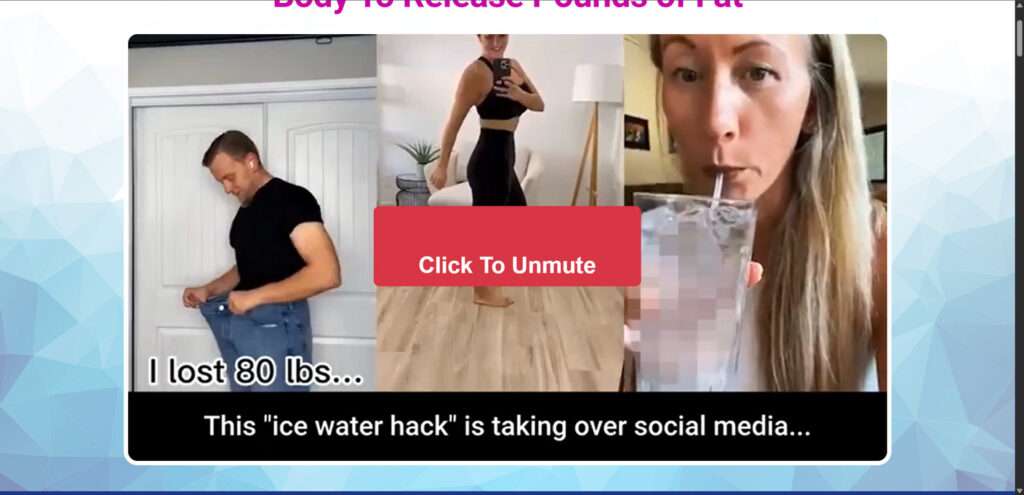
The “Ice Water Hack” Is Pure Fiction
The central gimmick behind the product — that drinking cold water with a pill will ignite weight loss — is not supported by any medical organization or scientific body.
While drinking cold water can slightly raise your metabolic rate (your body works to warm the water), the effect is extremely small — nowhere near enough to burn significant fat. Adding a supplement doesn’t change this equation.
In short, the “Ice Water Hack” is a clever marketing term with no scientific legitimacy.
Fake Badges and Unverifiable Manufacturing Claims
The AquaSculpt website proudly displays trust-building icons like:
- GMP Certified
- Made in USA
- Doctor Approved
- 100% Natural
However, there’s no way to verify these claims. The product is not listed on the FDA’s database of approved supplements. The manufacturer name is often missing or ambiguous. And the “Doctor Approved” badge links to nothing.
When a company offers no transparency about who makes their product, where it’s made, or how it’s verified, it’s often because they don’t want you to find out the truth.
How the AquaSculpt “Ice Water Hack” Operation Works
The AquaSculpt “Ice Water Hack” is a classic funnel scheme that uses psychological pressure, fake authority, and vague claims to hook victims. Here’s how it usually unfolds:
Step 1: The Clickbait Ad
It starts with an ad on Facebook, YouTube, or a sketchy website. Headlines like:
- “Women over 40 are melting belly fat with this one trick”
- “Doctors stunned by new metabolism hack”
- “Say goodbye to dieting forever”
The ads feature fake news logos, deepfake videos of TV anchors, or doctored footage of celebrities supposedly endorsing the product.
Step 2: The Ice Water Hack Video
Clicking the ad leads you to a long video — usually between 30 and 60 minutes. The video:
- Teases a big secret but delays the reveal
- Claims to be based on a breakthrough study
- Shows fake before-and-after results
- Claims it’s “not sold in stores” and “almost sold out”
Eventually, it names AquaSculpt as the miracle solution — the secret behind the “ice water hack.”
Step 3: The Pressure to Buy
After the video, you’re directed to a checkout page:
- With a “limited-time” offer that’s supposedly about to expire
- Urging you to buy multiple bottles for best results
- Offering a fake “free shipping” deal or bonus gift
There’s usually no visible refund policy, no phone number, and the company address is vague or missing entirely.
Step 4: Post-Purchase Spam and Charges
Once you place an order, the problems begin:
- Many users report unauthorized repeat billing (monthly charges for auto-ship programs)
- Others say they never received the product
- Attempts to contact support are ignored or redirected endlessly
- Buyers often receive an influx of spam texts or calls
Because many of these companies use temporary or offshore fulfillment services, tracking them down is difficult.
What to Do If You’ve Been Scammed by AquaSculpt
If you purchased AquaSculpt or gave them your personal information, take these steps immediately.
1. Contact Your Bank or Credit Card Company
- Dispute the charge as fraudulent or unauthorized
- Ask for a chargeback due to deceptive marketing
- Request to block any future charges from the same vendor
2. Monitor for Spam or Identity Misuse
- If you gave your email or phone, use spam filters or blocking tools
- Don’t click on follow-up emails or links
- Consider using a temporary email address for online purchases going forward
3. Report the Scam
- FTC Complaint Assistant: reportfraud.ftc.gov
- Better Business Bureau: bbb.org/scamtracker
- Internet Crime Complaint Center (IC3): ic3.gov
- Report scam ads on Facebook, Instagram, or Google if applicable
4. Leave Honest Reviews
- Post your experience on Trustpilot, Reddit, and Quora
- Help others avoid the same trap by sharing your story
5. Talk to Your Doctor
If you actually took AquaSculpt and felt side effects (like headaches, nausea, jitteriness), speak with a medical professional. Also report any adverse events to FDA MedWatch.
Frequently Asked Questions (FAQ) About the AquaSculpt Ice Water Hack Scam
What is AquaSculpt?
AquaSculpt is a dietary supplement marketed as a fat-burning weight loss pill that supposedly works by activating an “Ice Water Hack.” The product claims to help users lose weight quickly without changing their diet or exercise habits. These claims are not backed by credible science.
What is the Ice Water Hack?
The Ice Water Hack is a marketing term used to promote AquaSculpt. It suggests that taking the pill with cold water triggers a thermogenic response that burns fat rapidly. There is no scientific evidence to support this claim. While drinking cold water may slightly increase metabolic rate, the effect is minimal and not sufficient for weight loss.
Is AquaSculpt FDA approved?
No. AquaSculpt is not approved by the U.S. Food and Drug Administration. Although the website may display badges that say “FDA Approved” or “Doctor Formulated,” these are not supported by any regulatory documentation.
Are the AquaSculpt reviews real?
Most of the positive reviews found on the AquaSculpt website appear fake or unverified. There is no option to leave public reviews, and many of the user photos are likely stock images. Verified reviews on third-party platforms often report negative experiences.
Can AquaSculpt really help you lose weight without dieting or exercise?
No. Any product that promises weight loss without changes in diet or exercise should be viewed with skepticism. Sustainable weight loss requires a combination of healthy eating, physical activity, and behavior change. There is no credible evidence that AquaSculpt alone delivers meaningful results.
Are there side effects from taking AquaSculpt?
Some users have reported side effects such as nausea, digestive issues, and headaches after taking the product. Since the ingredient list is often vague or incomplete, it’s hard to determine exactly what’s causing these symptoms.
Why am I receiving spam calls after buying AquaSculpt?
Several users have reported receiving spam calls and texts after submitting their phone numbers during the purchase process. This is likely due to data harvesting by the company or its affiliates. Your contact information may have been sold to third-party marketers.
Can I get a refund from AquaSculpt?
Although the company advertises a money-back guarantee, many customers say their refund requests were ignored or denied. If you’re having trouble getting a refund, your best option is to dispute the charge with your credit card provider.
How do I report AquaSculpt?
You can report AquaSculpt to the Federal Trade Commission at reportfraud.ftc.gov, the Better Business Bureau Scam Tracker at bbb.org/scamtracker, or the Internet Crime Complaint Center at ic3.gov. If you saw the ad on Facebook, Instagram, or Google, report the ad directly through those platforms.
The Bottom Line
AquaSculpt and the so-called “Ice Water Hack” are not legitimate weight loss solutions. They’re part of a manipulative scam that uses false claims, deepfake testimonials, and misleading language to prey on people’s desire for easy results.
Despite promises of doctor approval, scientific support, and effortless weight loss, the product is not backed by real research. The only thing AquaSculpt seems to guarantee is frustration, wasted money, and unwanted spam.
Final Thought
Real weight loss takes time, effort, and consistency — not miracle pills or made-up hacks. If something sounds too good to be true, it usually is. Don’t trust your health to unverified supplements or deceptive websites. Always do your research, check for independent reviews, and consult a licensed health provider.

Join the discussion
0 commentsShare your experience or ask a question about this article.
Discussion
Start the conversation
Have a question or something useful to share? Add the first comment.