

Scamming consumers with fraudulent shopping websites has become big business for cybercriminals worldwide. One popular target is furniture giant Ashley Furniture, with sophisticated fake discount sites mimicking the Ashley brand to trick customers into paying for furniture that is never delivered.
This in-depth guide will uncover how the Ashley Furniture clearance sale scams operate, what victims are losing, and most importantly, how to avoid getting duped.
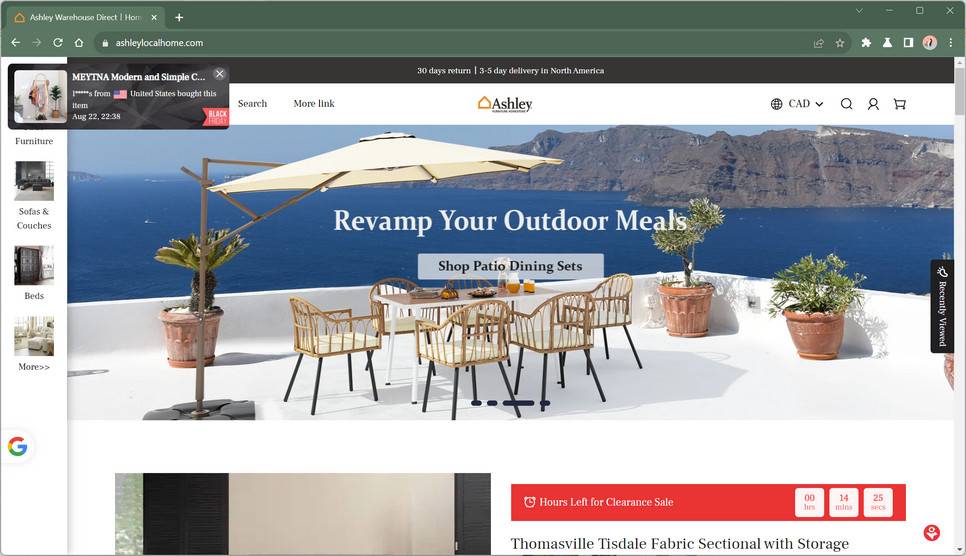
Overview of the Ashley Clearance Sale Scams
The scam follows a familiar playbook fraudsters use on many top brands. First, fake Ashley Furniture websites are made to appear like authorized online Ashley stores advertising huge closing down or clearance sales, often claiming discounts up to 90% off. The deceitful sites feature Ashley’s trademarks without permission to mislead visitors.
Victims who place furniture orders through the fake sites soon have their credit cards charged but receive nothing in return, with any customer service inquires disappearing into a black hole. In rare cases when items do arrive, they are cheap counterfeits clearly not worth anything close to what was paid.
Behind the scenes, these fake Ashley Furniture websites trace back to sophisticated cybercriminal networks in China who have been perfecting scam storefronts impersonating Western brands for years. They quickly adapt new domains and site templates to stay one step ahead of takedowns, making the fight against these ecommerce scams a constant game of whack-a-mole.
Customers have reported losing anywhere from several hundred to several thousand dollars per scammed order, with financial and personal data also compromised. The scale of losses from just the Ashley Furniture impersonation scams likely tallies into the millions annually across all victims.
Let’s break down exactly how this scam network preys on Ashley’s unsuspecting customers.
How the Fake Ashley Furniture Clearance Sale Scams Work
Here is the step-by-step process scammers use to successfully pull off the Ashley Clearance Sale scam time and time again:
Step 1: Lure Victims through Social Media Ads
The first point of contact uses social media ads promoting the fraudulent Ashley sales. Ads touting “store closing”, “clearance sale” or “Ashley Liquidation Sale – up to 90% off!” aim to entice people into clicking through to the scam websites. They’ll use images of authentic Ashley furniture and branding without consent to appear legitimate.
Step 2: Direct Visitors to the Fake Ashley Websites
The social media ads redirect users to sophisticated fake sites closely mimicking authorized Ashley Furniture ecommerce stores. Everything from Ashley’s logo to product images are stolen to convince visitors the sites are real. Without deeper inspection, victims won’t realize it’s all an elaborate scam.
Step 3: Collect Personal and Payment Information
If a visitor adds items to their cart, the scam website prompts them to enter personal and payment details to complete checkout, including: full name, shipping address, phone number, email address, and credit card information. Little do they know this data goes straight into the hands of scammers.
Step 4: Process Payments but Never Ship Merchandise
Once credit cards or PayPal accounts are charged, the criminals have what they want. They have no intention to actually ship anything to the defrauded customers. Any communication sent inquiring about expected delivery is simply ignored.
Step 5: Disappear or Rebrand with a New Site
When their site is exposed as fraudulent, the scammers abandon it and relaunch a new domain with the same Ashley scam template. Rinse and repeat, continually stealing from new victims drawn in by “limited time sales” that never expire.
Step 6: Launder the Stolen Money
Through networks of money mules and cryptocurrency exchanges, the criminals rapidly launder their ill-gotten payments into clean cash and untraceable digital assets. Victims are left empty-handed and struggle to claw back even a small portion of what was stolen.
This is a well-oiled scam model perfected over years to maximize credit card and payment fraud revenue from duped online shoppers. But how much are victims actually losing from the fake Ashley sales?
Financial and Personal Losses from Fake Ashley Clearance Sale Sites
Fake Ashley Furniture sites have been ruthlessly scamming customers around the world through their deceptive clearance sale ploys. Those unfortunate enough to place orders end up facing a multitude of financial and personal problems:
- Direct financial loss from undelivered furniture averaging $500 to $2000 per scammed order. Victims pay but receive nothing.
- Compromised personal information including full legal names, home addresses, phone numbers, email addresses and more. A goldmine for identity theft.
- Unauthorized credit card charges with scammers racking up thousands in mystery purchases on accounts provided to them.
- Hijacked PayPal accounts cleaned out by scammers when given PayPal login credentials.
- Damaged credit scores from unpaid card charges disputed as fraud. Can take years to restore credit.
- Stolen identities used to open fraudulent accounts and make unauthorized purchases.
- Delayed furniture needs with victims unable to purchase replacement items needed for their home or office.
- Wasted time and added stress trying to recover losses by contacting non-existent customer service.
The sheer scale of the losses when all victims are combined is staggering. And the fraud will continue as long as these fake discount shopping websites remain online to deceive customers.
Who’s Behind the Fake Ashley Clearance Sale Sites?
Research into the inner workings of these fraudulent Ashley Clearance Sale websites points strongly to origins in China. The website registrations use Chinese registrars, servers are hosted at Chinese IP addresses, and mistakes in English text suggest non-native speakers.
China’s rampant scam economy appears to be fueling networks operating thousands of fake shopping websites impersonating Western brands. They excel at quickly spinning up new sites and domains to stay ahead of takedowns. Coordinated international law enforcement efforts are crucial to dismantling these organized scams stealing untold millions.
How to Spot Fake Ashley Clearance Sale Websites
The scam Ashley Furniture websites can look surprisingly realistic on the surface. But a close inspection reveals a number of suspicious flaws and discrepancies that expose their fraudulent nature:
- Extreme discounts up to 90% off all furniture with no order minimums
- Missing real contact information – no working customer service phone number or physical address
- Typos, grammatical errors, and other sloppy text content
- Site registration details hidden behind privacy services
- Generic web contact forms only – no live chat, phone, or email
- Positive reviews are all generic and appear fake
- No links to social media profiles
- Ashley Furniture branding used without permission
Savvy shoppers should watch for these obvious red flags. If anything seems questionable, avoid the site entirely and do not provide your information.
How to Get Money Back if Scammed by a Fake Site
If you already placed an order through one of these deceptive Ashley Furniture scam websites, is it still possible to recover any lost payments? Here are the steps to take for the best chance at reimbursement:
- Credit card – Immediately report unauthorized charges as fraud to your card issuer. They can start a chargeback case under the Fair Credit Billing Act’s buyer protections.
- Debit card – Notify your bank of fraudulent debits and request a refund. Success depends on their policies so act quickly.
- PayPal– Contact PayPal and file a claim through their Resolution Center for Item Not Received. You may be protected by their buyer protection guarantees.
- Bank wire transfers – Request your bank reverse any recent wire transfers made to fraudsters. Recovery is very limited though.
- Report identity theft – If personal information was stolen, place fraud alerts and monitor your credit reports and accounts closely for unauthorized activity.
While not fail-proof, reporting fraudulent charges from scam sites promptly gives you the best shot at getting payments returned. The longer you wait, the lower your chances as scammers liquidate funds. Don’t let them get away with the money without a fight!
Avoiding Ashley Clearance Sale Scam Websites
Stopping these Ashley Furniture fake discount website scams starts with smart, informed consumers who avoid falling into their traps in the first place. Here are tips to stay safe:
- Avoid impulse buys – Take time to vet sites instead of rushing purchases. Fraudsters want you to act fast without thinking.
- Research sellers first – Search for complaints and reviews about a website before providing any information.
- Verify contact info – Do not buy from sites that only provide webforms. Call to confirm they have a working customer service number.
- Check security – Legitimate sites have full SSL encryption and trust seals.
- Avoid unbelievable deals – Extreme low prices on exclusive brand-name furniture are always suspicious.
- Pay with credit cards – Credit cards allow chargebacks on fraud, unlike debit cards, wire transfers, or gift cards.
- Use virtual card numbers – Services like Privacy.com let you generate virtual card numbers for an extra layer of purchase protection.
Staying wary of unbelievable deals and looking for warning signs like missing contact pages can help consumers avoid ending up the victim of Ashley Furniture scam websites using deceptive clearance sale tactics.
Conclusion
Fake Ashley Clearance Sale websites heavily advertise deep discount clearance sales in order to scam trusting shoppers. They appear legitimate but victims end up with no furniture and emptied payment accounts. Losses can easily total hundreds or thousands per person. Exercise extreme caution before providing any data to furniture websites and report fraudulent sites immediately to stop these scammers. With vigilance, consumers can make smarter decisions online and hopefully diminish this threat targeting the Ashley Furniture brand.
Frequently Asked Questions About the Ashley Furniture Scams
What exactly is the Ashley Clearance Sale scam?
Fake sites pretend to sell Ashley furniture at huge discounts to steal money and payment information without shipping anything.
How are victims lured into the scam websites?
Through social media ads with attention-grabbing offers like “90% off Clearance Sale!” that link to the fraudulent sites.
What do victims of the Ashley Clearance Sale scam receive?
Most receive nothing at all. Some get cheap knockoff furniture, never authentic Ashley products.
What’s the average financial loss from the fake Ashley sites?
$500 to $2000 in losses per scammed order is common, from undelivered furniture and unauthorized charges.
What happens to victims’ stolen payment details and personal info?
Scammers sell or use it for identity theft and additional payment fraud on the black market.
Where are these Ashley Furniture scam sites originating from?
Most trace back to sophisticated fraud networks in China, based on website registrations and other indicators.
How can I report a fraudulent website?
Report fake sites to their web host, domain registrars, brand owner, and global consumer protection agencies.
How can I avoid getting scammed by a fake site?
Carefully research sellers, avoid red flags, pay with protected methods only, and trust your instincts if something seems off.
Can I get my money back if I fell for a scam website?
Maybe. Quickly dispute with payment providers or credit card company. Outcomes vary.
Will I get in legal trouble if I buy from a scam unknowingly?
No, purchasing from a scam site believing it is legitimate does not bring any legal consequences for victims.

Join the discussion
0 commentsShare your experience or ask a question about this article.
Discussion
Start the conversation
Have a question or something useful to share? Add the first comment.