

Scams and phishing attempts have become increasingly sophisticated in recent years, with cybercriminals constantly finding new ways to deceive unsuspecting victims. One such scam that has been making the rounds is the ASIC ‘Renewal Letter’ malware email. This article will delve into what this scam is, how it works, what to do if you have fallen victim, and provide valuable insights to help you stay safe online.
What is the ASIC ‘Renewal Letter’ Malware Email?
The ASIC ‘Renewal Letter’ malware email is a phishing scam that targets individuals and businesses registered with the Australian Securities and Investments Commission (ASIC). The email appears to be a legitimate renewal notice from ASIC, prompting recipients to click on a link or download an attachment to renew their registration.
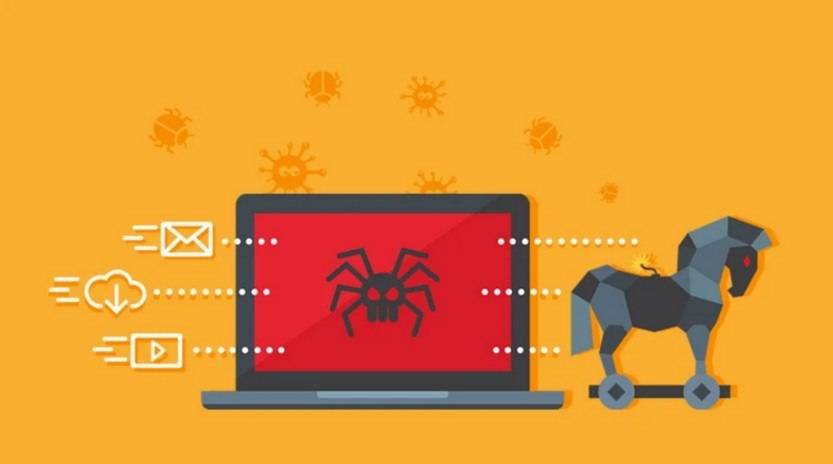
However, the link or attachment contains malware that, once clicked or downloaded, infects the victim’s computer or device. This malware can then steal sensitive information, such as login credentials, financial data, or personal information, which can be used for identity theft or other malicious purposes.
How Does the Scam Work?
The ASIC ‘Renewal Letter’ malware email scam works by exploiting the trust and urgency associated with official renewal notices. Here is a step-by-step breakdown of how the scam typically unfolds:
- The victim receives an email that appears to be from ASIC, with a subject line related to registration renewal.
- The email contains official-looking logos, branding, and language to make it appear legitimate.
- The email prompts the recipient to click on a link or download an attachment to renew their registration.
- If the victim clicks on the link or downloads the attachment, their computer or device becomes infected with malware.
- The malware can then collect sensitive information from the victim’s device and send it to the cybercriminals.
It is important to note that ASIC does not send renewal notices via email. They communicate through their online portal or by postal mail. Therefore, any email claiming to be from ASIC regarding registration renewal should be treated with suspicion.
What to Do If You Have Fallen Victim
If you have fallen victim to the ASIC ‘Renewal Letter’ malware email scam, it is crucial to take immediate action to minimize the potential damage. Here are the steps you should follow:
- Disconnect from the internet: Unplug your device from the network to prevent further communication between the malware and the cybercriminals.
- Scan for malware: Run a thorough scan of your device using reputable antivirus software, such as Malwarebytes Free, to detect and remove any malware.
- Change passwords: Change the passwords for all your online accounts, especially those related to financial institutions or sensitive information.
- Monitor your accounts: Keep a close eye on your bank accounts, credit cards, and other financial accounts for any suspicious activity.
- Report the incident: Contact your local authorities and report the scam to the appropriate cybersecurity agencies in your country.
By taking these steps promptly, you can mitigate the potential damage caused by the scam and protect yourself from further harm.
Protecting Yourself from Phishing Scams
Phishing scams, such as the ASIC ‘Renewal Letter’ malware email, can be highly deceptive. However, there are several measures you can take to protect yourself from falling victim to these scams:
- Be cautious of unsolicited emails: Treat emails from unknown senders with caution, especially if they contain urgent requests or ask for personal information.
- Verify the source: Before clicking on any links or downloading attachments, verify the sender’s email address and cross-reference it with official sources.
- Hover over links: Hover your mouse over links in emails to see the actual URL before clicking on them. If the URL looks suspicious or different from what is claimed, do not click on it.
- Keep software up to date: Regularly update your operating system, antivirus software, and other applications to ensure you have the latest security patches.
- Education and awareness: Stay informed about the latest phishing techniques and scams. Educate yourself and your employees about the warning signs and best practices to avoid falling victim.
Summary
The ASIC ‘Renewal Letter’ malware email is a phishing scam that targets individuals and businesses registered with ASIC. It tricks victims into clicking on malicious links or downloading infected attachments, leading to the theft of sensitive information. If you have fallen victim, disconnect from the internet, scan for malware, change passwords, monitor your accounts, and report the incident. To protect yourself, be cautious of unsolicited emails, verify the source, hover over links, keep software up to date, and stay educated about phishing scams. By staying vigilant and following these precautions, you can protect yourself from falling victim to phishing scams and keep your personal information secure.

Join the discussion
0 commentsShare your experience or ask a question about this article.
Discussion
Start the conversation
Have a question or something useful to share? Add the first comment.