

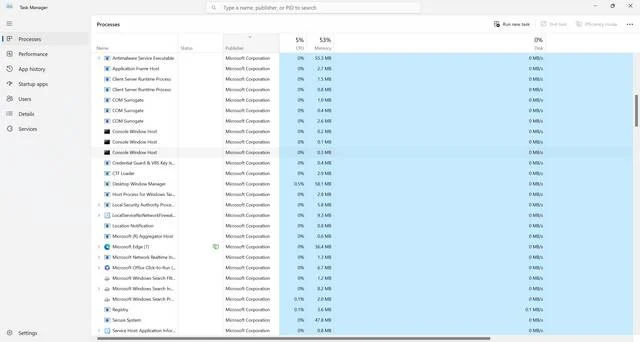
When you open the Task Manager on your Windows computer, you may notice a process called “ASUS Aura Sync” running in the background. This might raise some questions: What is ASUS Aura Sync? Why is it running? Is it necessary for my computer’s performance? In this article, we will delve into the details of the ASUS Aura Sync process and provide valuable insights to help you understand its purpose and functionality.
What is ASUS Aura Sync?
ASUS Aura Sync is a software utility developed by ASUS that allows users to customize the lighting effects of their ASUS products, such as motherboards, graphics cards, and peripherals. It provides a wide range of options to personalize the RGB lighting on compatible devices, enabling users to create unique and visually stunning setups.
The ASUS Aura Sync software integrates with the hardware components that support RGB lighting, allowing users to synchronize the lighting effects across multiple devices. This synchronization creates a cohesive and harmonious lighting experience, enhancing the aesthetics of the computer setup.
Why is ASUS Aura Sync Running in Task Manager?
ASUS Aura Sync runs as a background process in Task Manager to ensure that the customized lighting effects are maintained even when the software is not actively being used. By running in the background, ASUS Aura Sync can continue to control and synchronize the RGB lighting according to the user’s preferences.
Additionally, ASUS Aura Sync may also run in the background to provide real-time monitoring and control of the RGB lighting. This allows users to make adjustments on the fly without needing to open the software interface every time.
Is ASUS Aura Sync Necessary?
Whether ASUS Aura Sync is necessary for your computer’s performance depends on your personal preferences and usage. If you enjoy customizing the RGB lighting on your ASUS products and want to create a visually appealing setup, then ASUS Aura Sync is a valuable tool.
However, if you do not have any ASUS products with RGB lighting or do not care about customizing the lighting effects, ASUS Aura Sync may not be necessary for you. In such cases, you can consider disabling or uninstalling the software to free up system resources.
How to Disable or Uninstall ASUS Aura Sync?
If you decide that ASUS Aura Sync is not necessary for your computer, you can disable or uninstall it. Here are the steps to do so:
Disable ASUS Aura Sync:
- Right-click on the ASUS Aura Sync icon in the system tray (located at the bottom-right corner of the screen).
- Select “Exit” or “Close” to stop the software from running in the background.
Uninstall ASUS Aura Sync:
- Open the Control Panel on your Windows computer.
- Navigate to “Programs” or “Programs and Features.”
- Locate “ASUS Aura Sync” in the list of installed programs.
- Right-click on “ASUS Aura Sync” and select “Uninstall” or “Remove.”
- Follow the on-screen instructions to complete the uninstallation process.
After disabling or uninstalling ASUS Aura Sync, the process will no longer appear in Task Manager.
Should I Be Concerned About ASUS Aura Sync Running in Task Manager?
In most cases, there is no need to be concerned about ASUS Aura Sync running in Task Manager. It is a legitimate process associated with ASUS software and is not known to be malicious or harmful.
However, if you notice any unusual behavior or suspect that your computer may be infected with malware, it is always recommended to scan your system with reliable antivirus software. Malwarebytes Free is a trusted antivirus program that can help detect and remove malware from your computer.
Conclusion
ASUS Aura Sync is a software utility that allows users to customize the RGB lighting effects on their ASUS products. It runs as a background process in Task Manager to ensure the lighting effects are maintained and synchronized across multiple devices. Whether ASUS Aura Sync is necessary for your computer depends on your personal preferences and usage. If you enjoy customizing the RGB lighting, it can enhance your setup’s aesthetics. However, if you do not have ASUS products with RGB lighting or do not care about customization, you can disable or uninstall ASUS Aura Sync. Overall, ASUS Aura Sync is a legitimate process associated with ASUS software and is not a cause for concern unless accompanied by unusual behavior or malware suspicions.

Join the discussion
0 commentsShare your experience or ask a question about this article.
Discussion
Start the conversation
Have a question or something useful to share? Add the first comment.