

ASUS WebStorage is a cloud storage service provided by ASUS, a well-known computer hardware and electronics company. It allows users to store and access their files, photos, videos, and other data from any device with an internet connection. While cloud storage services like ASUS WebStorage offer convenience and accessibility, some users may question whether they should remove it from their devices. In this article, we will explore what ASUS WebStorage is, its features, potential benefits, and reasons why you might consider removing it. We will also provide insights into the uninstallation process and recommend a reliable uninstall tool.
What is ASUS WebStorage?
ASUS WebStorage is a cloud storage service that allows users to store and sync their files across multiple devices. It offers both free and paid plans, with varying storage capacities. The service is compatible with Windows, Mac, iOS, and Android devices, making it accessible to a wide range of users.
ASUS WebStorage provides features such as file sharing, automatic backup, and file synchronization. Users can easily share files with others by generating links or inviting specific individuals to access the files. The automatic backup feature ensures that users’ files are securely stored and can be easily restored in case of data loss or device failure. The file synchronization feature allows users to access their files from any device, ensuring seamless workflow and productivity.
Benefits of ASUS WebStorage
ASUS WebStorage offers several benefits that make it a popular choice among users:
- Convenience: With ASUS WebStorage, users can access their files from any device with an internet connection. This eliminates the need to carry physical storage devices or rely on email attachments to transfer files.
- File Backup: The automatic backup feature ensures that users’ files are securely stored in the cloud. This provides peace of mind in case of device failure or data loss.
- File Synchronization: ASUS WebStorage allows users to sync their files across multiple devices. This ensures that the latest version of a file is always accessible, regardless of the device being used.
- Collaboration: The file sharing feature enables easy collaboration with others. Users can share files with colleagues, friends, or family members, making it ideal for both personal and professional use.
- Additional Storage: ASUS WebStorage offers additional storage options through paid plans, allowing users to expand their storage capacity as needed.
Reasons to Remove ASUS WebStorage
While ASUS WebStorage offers several benefits, there are a few reasons why you might consider removing it from your device:
- Storage Limitations: The free version of ASUS WebStorage has a limited storage capacity. If you require more storage space, you may need to upgrade to a paid plan or consider alternative cloud storage services.
- Privacy Concerns: Some users may have concerns about the privacy and security of their data stored in the cloud. If you are uncomfortable with storing sensitive or confidential information on a third-party server, removing ASUS WebStorage may be a viable option.
- Performance Impact: Cloud storage services like ASUS WebStorage can consume system resources, including bandwidth and processing power. If you notice a significant impact on your device’s performance, removing ASUS WebStorage may help improve overall system performance.
- Alternative Preferences: There are numerous cloud storage services available, each with its own set of features and pricing plans. If you prefer an alternative service that better suits your needs, removing ASUS WebStorage may be a logical choice.
Uninstalling ASUS WebStorage
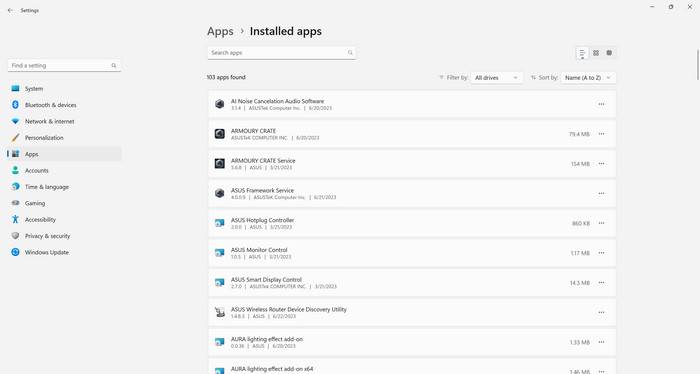
If you have decided to remove ASUS WebStorage from your device, you can do so using the following steps:
- Open the Control Panel on your Windows device or the Applications folder on your Mac.
- Locate the ASUS WebStorage application.
- Right-click on the application and select “Uninstall” or “Move to Trash.”
- Follow the on-screen prompts to complete the uninstallation process.
Alternatively, you can use a reliable uninstall tool like Revo Uninstaller Free to ensure a thorough removal of ASUS WebStorage and its associated files.
Conclusion
ASUS WebStorage is a cloud storage service that offers convenience, file backup, synchronization, and collaboration features. While it provides several benefits, there are reasons why you might consider removing it, such as storage limitations, privacy concerns, performance impact, or alternative preferences. If you decide to remove ASUS WebStorage, you can follow the uninstallation steps provided or use a reliable uninstall tool like Revo Uninstaller Free. Ultimately, the decision to keep or remove ASUS WebStorage depends on your specific needs and preferences.

Join the discussion
0 commentsShare your experience or ask a question about this article.
Discussion
Start the conversation
Have a question or something useful to share? Add the first comment.