

Scams have become an unfortunate reality in today’s digital age. With the increasing reliance on technology and online platforms, scammers have found new ways to exploit unsuspecting individuals. One such scam that has gained significant attention is the Bank of America email scam. In this article, we will delve into what this scam is, how it works, what to do if you have fallen victim, and provide valuable insights to help you stay safe.
What is the Bank of America email scam?
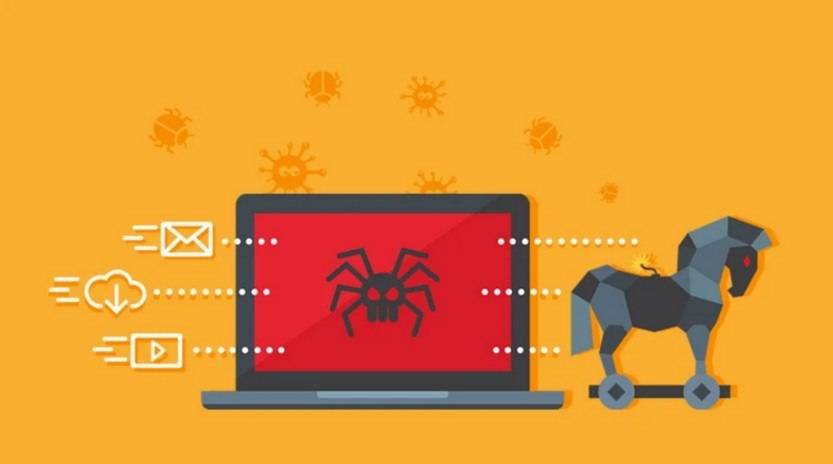
The Bank of America email scam is a type of phishing scam that targets Bank of America customers. Phishing scams are fraudulent attempts to obtain sensitive information, such as usernames, passwords, and credit card details, by disguising as a trustworthy entity. In this case, scammers send emails that appear to be from Bank of America, tricking recipients into believing that their account has been compromised or that they need to update their information.
How does the scam work?
The Bank of America email scam typically starts with a phishing email that looks remarkably similar to a legitimate Bank of America email. The email may contain the Bank of America logo, colors, and even the email address may appear to be genuine. The scammers often use fear tactics to prompt the recipient into taking immediate action.
The email may claim that there has been suspicious activity on the recipient’s account or that their account will be closed if they do not verify their information. To do so, the email instructs the recipient to click on a link provided in the email. This link leads to a fake Bank of America website that is designed to look identical to the real one.
Once the recipient clicks on the link and enters their login credentials or personal information, the scammers gain access to their account. With this information, the scammers can carry out unauthorized transactions, steal funds, or even commit identity theft.
What to do if you have fallen victim?
Discovering that you have fallen victim to the Bank of America email scam can be distressing. However, it is crucial to act quickly to minimize the damage. Here are the steps you should take if you have fallen victim:
- Change your Bank of America account password immediately. This will prevent the scammers from accessing your account further.
- Contact Bank of America’s customer service immediately to report the incident. They will guide you on the necessary steps to secure your account and investigate any unauthorized transactions.
- Monitor your account closely for any suspicious activity. If you notice any unauthorized transactions, report them to Bank of America immediately.
- Consider reporting the incident to your local law enforcement agency. While it may be challenging to track down the scammers, reporting the incident can help authorities gather information and potentially prevent others from falling victim.
- Scan your computer for viruses or malware. Scammers often use sophisticated techniques to infect computers with malware that can capture sensitive information. Consider using a reliable antivirus software like Malwarebytes Free to scan your system.
Technical details of the Bank of America email scam
The Bank of America email scam relies on social engineering techniques to deceive recipients. Here are some technical details of the scam:
- The scammers often use email spoofing techniques to make the email appear as if it is coming from a legitimate Bank of America email address.
- The fake Bank of America website is designed to look identical to the real one, including the layout, colors, and logos. However, the URL may be slightly different, with subtle variations that are easy to miss.
- The scammers may use psychological tactics, such as urgency or fear, to prompt the recipient into taking immediate action without thinking critically.
- Phishing emails are often sent to a large number of recipients in the hope that a few will fall victim. This allows scammers to cast a wide net and increase their chances of success.
Statistics on email scams
Email scams, including phishing scams, have become increasingly prevalent in recent years. Here are some statistics that highlight the scale of the problem:
- In 2022, the FBI’s Internet Crime Complaint Center (IC3) received over 241,000 complaints related to phishing scams, resulting in losses exceeding $54 million.
- According to a report by Verizon, 94% of malware is delivered via email.
- A study by Symantec found that 1 in 412 emails sent in 2022 was a phishing attempt.
- Phishing attacks targeting financial institutions, like the Bank of America email scam, accounted for 35% of all phishing attacks in 2022.
Summary
The Bank of America email scam is a phishing scam that targets Bank of America customers. Scammers send fraudulent emails that appear to be from Bank of America, tricking recipients into divulging their login credentials and personal information. If you have fallen victim, it is crucial to act quickly by changing your password, contacting Bank of America, monitoring your account, and scanning your computer for malware. Email scams, including phishing scams, are a significant problem, and it is essential to stay vigilant and educate yourself to avoid falling victim.

Join the discussion
0 commentsShare your experience or ask a question about this article.
Discussion
Start the conversation
Have a question or something useful to share? Add the first comment.