

Facebook is undoubtedly one of the most popular social media platforms, with billions of users worldwide. With such a massive user base, it’s no surprise that scammers and cybercriminals are constantly looking for ways to exploit unsuspecting users. One common scam that has been circulating on Facebook is the claim that you can see who has visited your profile. However, it’s important to be aware that these claims are nothing more than scams designed to trick users into revealing personal information or downloading malware.
What is the Facebook Profile Visitors Scam?
The Facebook profile visitors scam is a deceptive tactic used by scammers to lure users into clicking on malicious links or providing personal information. The scam typically starts with a post or message claiming that Facebook now allows users to see who has visited their profile. This piques the curiosity of many users who are eager to find out who has been checking their profile.
Once a user falls for the scam and clicks on the link, they are usually redirected to a fake website that appears to be a legitimate Facebook page. The user is then prompted to enter their Facebook login credentials, giving the scammers access to their account. In some cases, the user may also be asked to complete surveys or download certain apps, which often contain malware.
How Does the Scam Work?
The Facebook profile visitors scam works by exploiting the natural curiosity of users and their desire to know who has been viewing their profile. Scammers take advantage of this by creating enticing posts or messages that claim to provide a way to see profile visitors. These posts often include eye-catching images or videos to make them more convincing.
Once a user clicks on the link, they are taken to a fake website that closely resembles the Facebook login page. The user is then prompted to enter their login credentials, which are captured by the scammers. With access to the user’s account, the scammers can now use it for various malicious activities, such as spreading spam, sending phishing messages, or even stealing personal information.
What to Do If You Have Fallen Victim
If you have fallen victim to the Facebook profile visitors scam, it’s important to take immediate action to protect your account and personal information. Here are the steps you should follow:
- Change your Facebook password: Go to the Facebook settings and change your password to a strong and unique one. This will help prevent the scammers from accessing your account in the future.
- Enable two-factor authentication: Two-factor authentication adds an extra layer of security to your account by requiring a verification code in addition to your password. Enable this feature in your Facebook settings to further protect your account.
- Check your account activity: Review your recent account activity to see if there have been any unauthorized actions or posts. If you notice anything suspicious, report it to Facebook and take appropriate measures to secure your account.
- Scan your device for malware: It’s possible that clicking on the scam link may have resulted in malware being downloaded onto your device. Run a scan with a reliable antivirus software like Malwarebytes Free to detect and remove any malware.
- Be cautious of future scams: Learn from your experience and be more vigilant when it comes to suspicious links or messages. Be skeptical of any claims that seem too good to be true, especially on social media platforms.
Technical Details of the Scam
The Facebook profile visitors scam relies on various techniques to deceive users and gain access to their accounts. Here are some technical details of how the scam works:
- Phishing: The scam uses phishing techniques to trick users into entering their login credentials on a fake website. The scammers create a replica of the Facebook login page to make it appear legitimate.
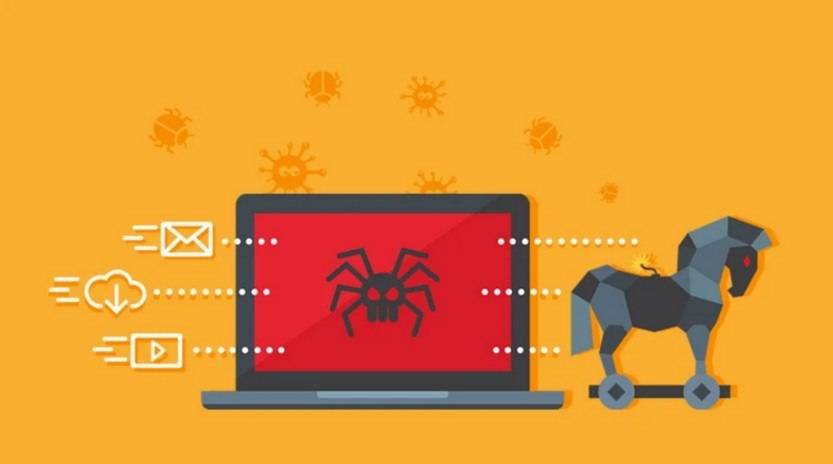
- Malware: In some cases, the scam may involve downloading malware onto the user’s device. This malware can then be used to steal personal information or perform other malicious activities.
- Social engineering: The scammers exploit the natural curiosity of users by creating enticing posts or messages that claim to reveal who has visited their profile. This psychological manipulation is a common tactic used in many scams.
Statistics on Facebook Scams
Facebook scams, including the profile visitors scam, have been a persistent problem on the platform. Here are some statistics that highlight the prevalence and impact of these scams:
- In 2020, Facebook reported removing over 1.3 billion fake accounts, many of which were involved in scams and other malicious activities.
- A study conducted by the University of Iowa found that Facebook scams were responsible for over $100 million in financial losses in 2018.
- According to a report by the Better Business Bureau, Facebook scams were the most common type of scam reported in 2020, with over 5,000 reported cases.
Summary
The Facebook profile visitors scam is a deceptive tactic used by scammers to trick users into revealing personal information or downloading malware. It preys on users’ curiosity and desire to know who has been viewing their profile. If you have fallen victim to this scam, it’s important to take immediate action to protect your account and personal information. Change your password, enable two-factor authentication, and scan your device for malware. Be cautious of future scams and always be skeptical of claims that seem too good to be true. By staying vigilant and taking necessary precautions, you can protect yourself from falling victim to Facebook scams.

Join the discussion
0 commentsShare your experience or ask a question about this article.
Discussion
Start the conversation
Have a question or something useful to share? Add the first comment.