

Online shopping has become extremely popular in recent years due to its convenience and ability to find great deals. However, with the rise of ecommerce, online scams have also become more prevalent. One such scam that has recently emerged involves fraudulent websites impersonating the French clothing retailer KIABI and promoting fake clearance sales to trick customers.
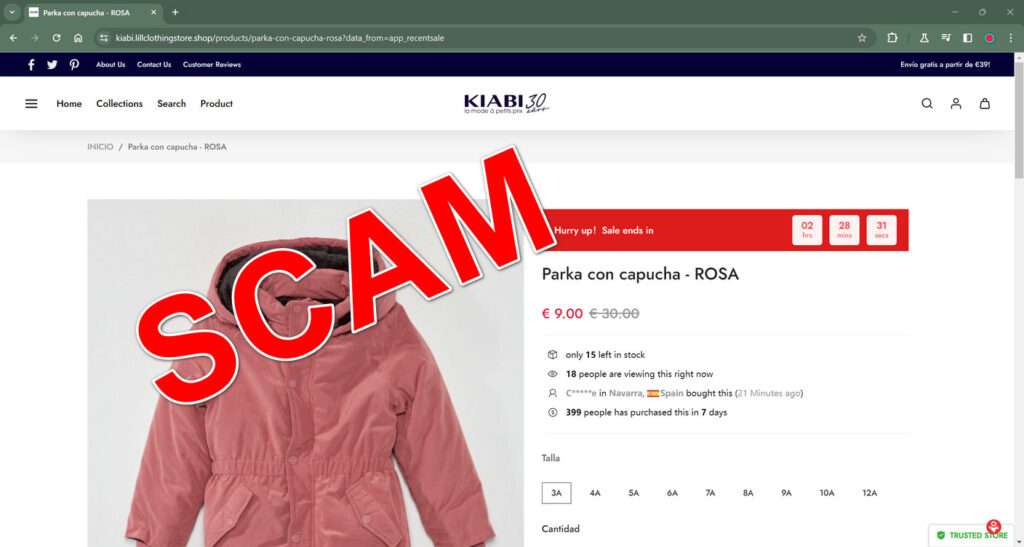
Overview of the KIABI Clearance Sale Scam
This scam operates by setting up fake KIABI websites that heavily advertise clearance sales, deep discounts up to 90% off, and limited time offers. These scam sites use the KIABI logo, brand images, and product photos to appear as legitimate extensions of the real company.
The scam stores are promoted via social media ads and posts to attract shoppers looking for good deals. However, when customers place orders on these sites, they either receive:
- Nothing at all – The most common outcome. Orders go unfulfilled and payments are pocketed by scammers.
- Cheap knockoffs – Low-quality replicas made with inferior materials compared to what was ordered.
- Used, damaged or tampered goods – Items that are clearly not new as advertised.
- Completely wrong items – Products shipped that are different from what was ordered.
In addition to selling fake, fraudulent and potentially hazardous products, these scam websites also steal customers’ personal and financial information during checkout. The KIABI scam sites collect full names, addresses, phone numbers, credit card details and other sensitive data that is sold or used for future frauds.
Research indicates this KIABI scam is part of a broader interconnected counterfeit network run by cybercrime groups in China. The syndicate operates countless sham sites for many brands with the sole intent of defrauding shoppers.
How the KIABI Clearance Sale Scam Works
The scam begins by registring new domain names containing the KIABI name, often using misspellings like “kiabiofficial” or “kiabistore” to appear legitimate. The scam sites are designed using KIABI’s logos, product images and brand templates to mimic the look and feel of the real website.
To drive traffic to their fake sites, scammers launch extensive Facebook ad campaigns and social media posts promoting their clearance sales and huge discounts. The ads target KIABI fans and bargain hunters who click through to the scam sites.
These sites entice customers to make a purchase by displaying photos of KIABI’s actual products at prices up to 90% off. However, no legitimate retailer would offer such steep discounts on new, branded merchandise.
When shoppers add items to their cart and go to checkout, they are prompted to enter their full name, home address, phone number, email address, and payment card details. This sensitive information is how scammers can enable financial fraud and identity theft.
After submitting an order, victims will receive a fake confirmation email with a tracking number that does not work. No legitimate tracking information exists because no items are actually shipped. Scammers then keep the payments while customers never receive their orders.
The scam sites often include copied legal pages like Terms of Service and About Us from the real KIABI site to appear more genuine. However, the contact information points to non-existent addresses, disconnected phone numbers, and fake email accounts that are never replied to.
Victims who try to resolve their issues or request refunds are unable to get any customer support. The whole scam operation is focused on quickly accepting as many orders as possible before customers realize they have been duped and the sites disappear.
Damages and Dangers of the KIABI Scam
This scam causes multiple types of harm to victims beyond just fraudulent credit card charges and stolen personal information:
- Wasted time and energy – Victims experience significant hassle and frustration after being scammed. They often spend hours trying to contact the company and file disputes over their lost money.
- Account overdrafts – Scam charges can trigger account overdrafts and insufficient fund fees, especially if a checking account is used for payment. This adds further costs.
- Credit damage – Being defrauded can negatively impact victims’ credit scores if they initiate chargebacks or collection proceedings against the scammers.
- Junk mail and spam – Providing contact information exposes victims to an increase in unwanted junk mail, calls, and spam sent by scammers.
- Phishing risks – Scammers may use stolen information to engage in additional phishing scams and social engineering attacks against their victims.
- Malware downloads – Fake scam websites may attempt to distribute malware to visitors that can infect devices.
The KIABI clearance sale scam poses considerable financial, privacy, and security risks that consumers should be aware of before shopping online. All sensitive data provided to scam sites can be abused or sold by attackers.
How to Avoid the KIABI Clearance Sale Scam
These tips can help identify and avoid the fraudulent KIABI scam sites:
- Verify the URL – Fake sites often use slight misspellings in the domain. Double check that the URL matches KIABI’s real website and has the proper security certificate.
- Research before buying – Quickly search for reviews and complaints about any unfamiliar shopping sites before providing payment information.
- Avoid social media ads – Be very cautious about promotional ads on social media linking to supposed deals. These often promote scams.
- Beware countdown timers – Fake sites use countdowns and urgency to make people act fast. But real sales don’t pressure buyers like this.
- Check for verifiable contact info – Legitimate retailers provide genuine phone numbers, addresses, and customer service options. Scams list fake details if any at all.
- Search for a social media presence – Real brands have active social media accounts. Scams typically do not.
- Compare prices – If a website offers items at drastically lower prices than KIABI’s official site, it is likely a scam operation.
- Use credit cards – Paying directly through a credit card provides the most protection in case sellers are fraudulent. Avoid direct bank transfers.
- Trust your instincts – If a deal seems too good to be true, it very likely is.
Consumers should use good judgment when assessing deals and only make purchases through trusted retailers with verifiable information.
Identifying Kiabi Clearance Sale Scam Ads on Facebook
Facebook’s enormous reach allows scammers to promote fake Kiabi sales to many users through sponsored posts and ads. Here’s how to detect fraudulent Facebook ads for Kiabi closing down sales:
- Too-Good-to-Be-True Pricing – Real Kiabi deals won’t offer prices slashed by 80-90%. These unrealistic discounts indicate a scam.
- Suspicious URLs – Inspect the destination URL for odd strings of numbers/letters or repeated words. Scam sites often have sketchy domain names registered just before the ads launch.
- Low Quality Images – Scam ads tend to use low resolution, grainy and stolen product images that are noticeably unprofessional.
- Hard Sell Tactics – Text urging “Almost Sold Out!” or “Ending Today!” employs false scarcity to spark panic purchases.
- No Seller Info – Legitimate brands display contact info and a Facebook page history. Missing or vague business details is suspicious.
- Comments Disabled – Authentic sellers allow user reviews. Scams block comments to suppress negative feedback.
- New Facebook Page – Check when the page was created. Recently made pages with low engagement signal shady sellers.
Trust your judgment. If a Kiabi sale seems fake, extremely promotional or makes unbelievable claims, it’s likely a scam. Never provide personal or payment information to suspicious Facebook sellers.
What to Do if You’re Victimized by the KIABI Scam
If you made a purchase with a scam website impersonating KIABI and never received your items, take these steps to report it and attempt to get reimbursement:
- Call your bank or credit card provider immediately – Alert them to the fraudulent charges so they can block future charges from the scammer.
- Gather details about the transaction – Your bank will need the transaction date, merchant name, exact amount charged, and what goods or services were supposed to be provided.
- File a chargeback request – Initiate a chargeback with your credit card company to potentially recover lost funds. Provide any emails, screenshots and details about the scam transaction.
- Report complaints – File reports about the scam website with the FTC, FBI Internet Crime Complaint Center, and BBB to help warn others.
- Close accounts – If scammers gained access to any personal accounts, change your usernames and passwords immediately. Remove any payment methods stored in compromised accounts.
- Monitor statements – Keep a close eye on your financial statements for signs of further suspicious charges.
- Place fraud alert – Consider placing a fraud alert on your credit reports if substantial amounts of information were stolen.
- Remove personal info from scam site – If the site has account profiles, try to delete or edit any stored personal information to prevent misuse.
- Cancel/replace credit cards – Those whose card details were stolen should request replacement cards to prevent additional fraudulent charges.
- Adjust social media privacy settings – Enhance privacy configurations on social media accounts to reduce risks of phishing and further scams.
Catching and stopping online shopping scams requires quick action to halt additional damage. Being vigilant to spot sham websites and reporting all fraud details can help recover losses and bring scammers to justice.
Frequently Asked Questions
What is the fake Kiabi Clearance Sale scam?
This scam involves fraudulent websites that advertise huge blowout Kiabi sales, often claiming the store is going out of business or closing down. They promote the fake deals through Facebook and Instagram ads. However, the sites are not real Kiabi retailers. They steal your money and data.
How do I recognize a fraudulent Kiabi deals site?
Red flags include absurdly deep discounts like 90% off everything, aggressive urgent tactics, recently registered domains, missing contact info, no social media presence, copied website content, and technical issues. Legitimate authorized Kiabi sellers won’t use these deceptive tactics.
What happens if I order from a scam site?
Most likely your order will never arrive. If you receive anything, it will be cheap counterfeit products, not authentic Kiabi merchandise. The scammers primary goal is to steal your credit card details entered at checkout.
What should I do if scammed by a fake Kiabi offer?
Immediately call your credit card company to report the fraudulent charges so they can be reversed. Also place fraud alerts on your credit reports in case the crooks try opening new accounts in your name.
How can I avoid these Kiabi closing down scams?
Carefully research unfamiliar sites and verify discounts on Kiabi’s real website before providing any personal or payment data. Avoid sales with unrealistic pricing, urgent tactics, missing info, or other red flags.
Does Kiabi have real clearance sales?
Kiabi occasionally runs legitimate clearance sales, but only on Kiabi.com and in Kiabi stores. Authorized partners are listed on their official website. Kiabi will never claim to be going out of business or closing stores.
Can I report fake sites?
Absolutely. File detailed complaints about the scam sites with the FTC, Action Fraud, and Kiabi so they can pursue legal action. Reporting frauds helps get fake sites removed faster.
Conclusion
The KIABI clearance sale scam demonstrates the considerable risks of online scams for retailers and consumers. Scammers are deploying increasingly sophisticated techniques to create websites that closely mimic legitimate brands expressly to defraud customers.
Always apply critical thinking when assessing deals that appear too good to be true. Check site details thoroughly before making purchases or entering any sensitive information. Limiting damage requires reporting scam sites immediately to financial providers, consumer protection agencies, and the targeted brands. Being an informed shopper remains the best defense against the growing threat of ecommerce scams.

Join the discussion
0 commentsShare your experience or ask a question about this article.
Discussion
Start the conversation
Have a question or something useful to share? Add the first comment.