

Text messages have become an integral part of our daily lives, allowing us to communicate quickly and conveniently. However, with the rise of technology, scammers have found new ways to exploit unsuspecting individuals. One common scam that has gained popularity in recent years is the text message claiming that you have won valuable prizes. In this article, we will explore what this scam is, how it works, what to do if you have fallen victim, and provide valuable insights to help you stay safe.
What is the “You Have Won Valuable Prizes” Text Message Scam?
The “You Have Won Valuable Prizes” text message scam is a fraudulent scheme where scammers send text messages to unsuspecting individuals, claiming that they have won valuable prizes such as cash, vacations, or electronic devices. These messages often appear to be from well-known companies or organizations, making them seem legitimate at first glance.
Scammers use various tactics to make their messages appear convincing. They may use official logos, professional language, and even include a reference number to make it seem like a genuine prize notification. However, it is important to remember that legitimate companies do not randomly select winners through text messages.
How Does the “You Have Won Valuable Prizes” Text Message Scam Work?
The “You Have Won Valuable Prizes” text message scam typically follows a similar pattern. Here is a step-by-step breakdown of how the scam works:
- The scammer sends a text message to the victim, claiming that they have won a valuable prize.
- The message usually instructs the victim to click on a link or reply to the message to claim their prize.
- Once the victim clicks on the link or replies to the message, they are directed to a fraudulent website or asked to provide personal information.
- The scammer may ask for sensitive information such as bank account details, social security numbers, or credit card information under the guise of verifying the prize.
- If the victim provides the requested information, the scammer can use it for identity theft, financial fraud, or other malicious activities.
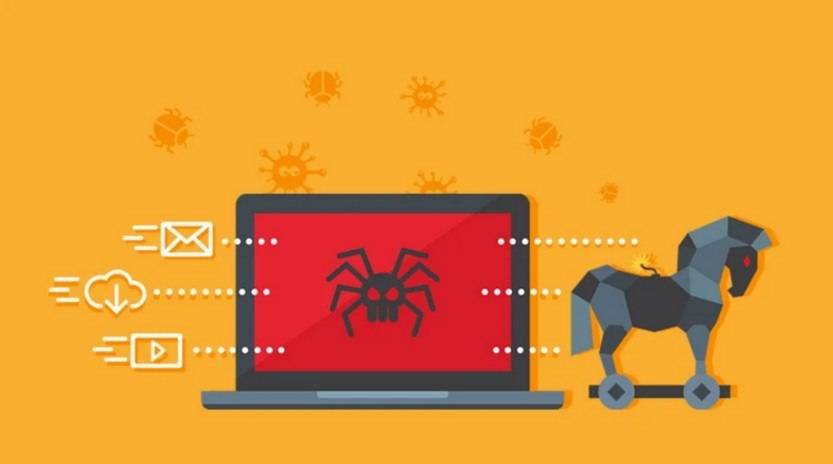
It is important to note that clicking on the link provided in the text message can also lead to the installation of malware or viruses on the victim’s device. These malicious programs can compromise the victim’s privacy and security, leading to further harm.
What to Do If You Have Fallen Victim to the Scam?
If you have fallen victim to the “You Have Won Valuable Prizes” text message scam, it is crucial to take immediate action to minimize the potential damage. Here are the steps you should follow:
- Do not provide any additional personal information or reply to the scammer.
- Disconnect from the internet to prevent further communication with the scammer.
- Scan your device for viruses or malware using a reputable security software like Malwarebytes Free.
- Change your passwords for all online accounts, especially those related to banking or financial information.
- Contact your bank or credit card company to report the incident and monitor your accounts for any suspicious activity.
- File a complaint with your local law enforcement agency and provide them with any relevant information or evidence.
By taking these steps, you can minimize the potential damage caused by falling victim to the scam and protect yourself from further harm.
Technical Details of the Scam
The “You Have Won Valuable Prizes” text message scam relies on social engineering techniques to deceive victims. Here are some technical details of the scam:
- Sender Spoofing: Scammers often use techniques to make the text message appear as if it is coming from a legitimate source. They can manipulate the sender information to make it seem like the message is from a well-known company or organization.
- Phishing Websites: The links provided in the text messages often lead to phishing websites that mimic the appearance of legitimate websites. These websites are designed to trick victims into providing their personal information.
- Malware Distribution: Clicking on the link in the text message can lead to the installation of malware or viruses on the victim’s device. These malicious programs can steal sensitive information or give the scammer unauthorized access to the victim’s device.
It is important to stay vigilant and be aware of these technical details to avoid falling victim to such scams.
Statistics on Text Message Scams
Text message scams have become increasingly prevalent in recent years. Here are some statistics that highlight the scale of the issue:
- In 2020, the Federal Trade Commission (FTC) received over 2.2 million reports of fraud, with a total reported loss of $3.3 billion.
- According to a survey conducted by the Better Business Bureau (BBB), 54% of respondents reported receiving a scam text message in 2020.
- The BBB also reported a 300% increase in text message scams in 2020 compared to the previous year.
These statistics demonstrate the alarming rise in text message scams and the need for increased awareness and vigilance among individuals.
Summary
The “You Have Won Valuable Prizes” text message scam is a fraudulent scheme where scammers send text messages to unsuspecting individuals, claiming that they have won valuable prizes. These messages are designed to deceive victims into providing personal information or clicking on malicious links. If you have fallen victim to the scam, it is crucial to take immediate action to minimize the potential damage. Disconnect from the internet, scan your device for viruses or malware, change your passwords, and report the incident to the relevant authorities. Stay vigilant and be aware of the technical details and statistics surrounding text message scams to protect yourself from falling victim to such schemes.

Join the discussion
0 commentsShare your experience or ask a question about this article.
Discussion
Start the conversation
Have a question or something useful to share? Add the first comment.