

In recent months, flashy advertisements for a device called the StarScope Monocular have been popping up across social media. These ads feature exciting claims about a revolutionary new smartphone lens that can zoom in miles and capture DSLR-quality images. But is the StarScope Monocular really the amazing gadget it’s made out to be in these ads? Or is it just too good to be true?
After digging into customer reviews and experiences, there are strong signs that this widely advertised monocular is actually a scam. In this extensive exposé, we’ll break down the disturbing reality behind the overhyped promises and misleading marketing of the StarScope Monocular. By the end, you’ll understand exactly why this questionable product is one to avoid falling victim to.
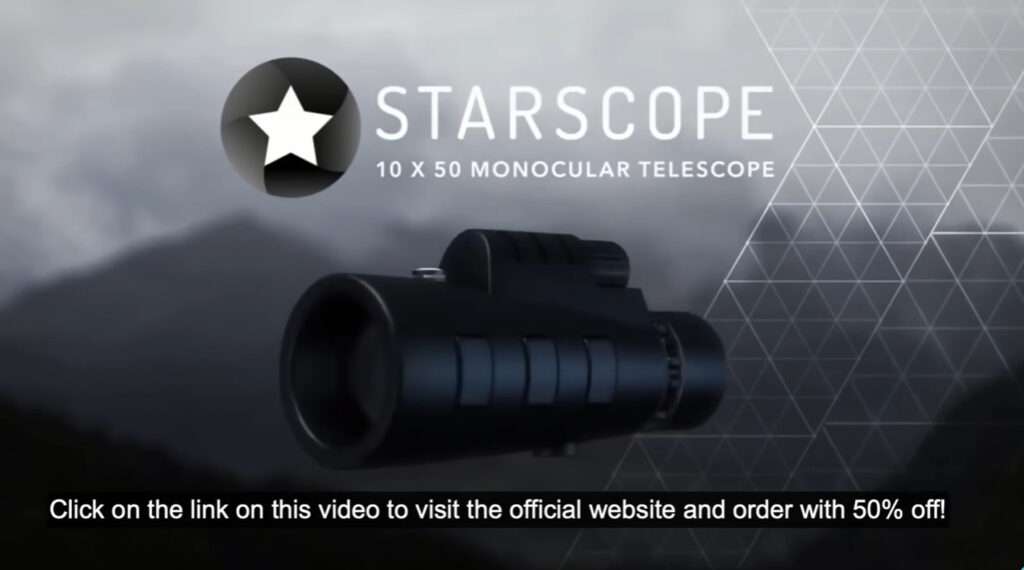
Overview of The StarScope Monocular Scam
The advertisements for the StarScope Monocular certainly paint a compelling picture. This pocket-sized monocular lens is touted as being able to simply clip onto your smartphone camera and transform it into a super powerful telescope.
The ads boast that you’ll be able to zoom in clearly on objects miles away, bringing them into focus as if they were right in front of you. According to the marketing, this picoscope monocular can capture stunning, crystal clear images and video at distances no smartphone camera could achieve on its own. They even claim performance on par with high-end DSLR lenses that cost thousands.
It all sounds fantastic, even miraculous, especially considering the low price point these ads promote. But unfortunately, the reality does not match the hype. Numerous customer reports indicate the actual
product falls far short in living up to expectations.
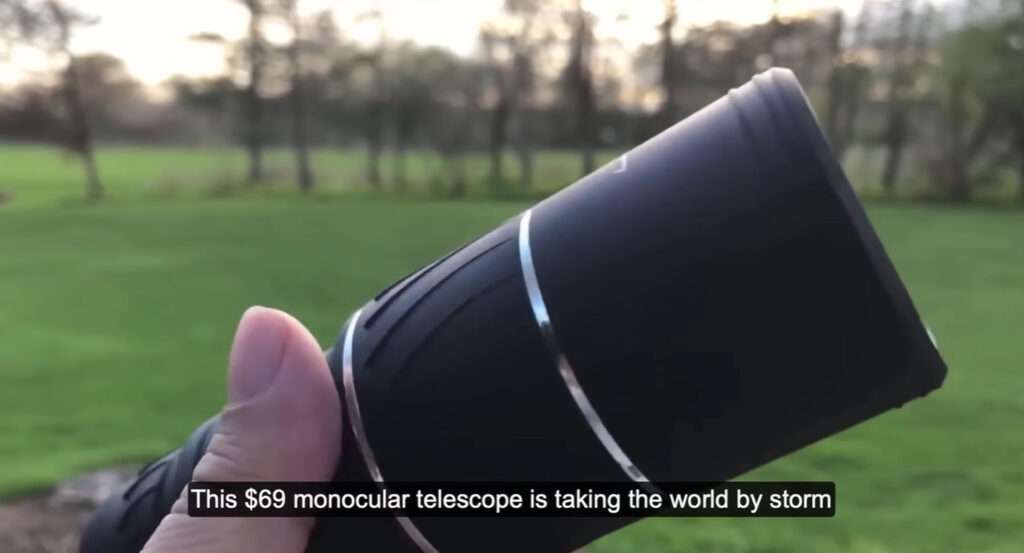
While the concept of clipping a monocular lens onto your smartphone to enhance zoom sounds great in theory, real-world usage reveals serious limitations. The most consistent complaint is that the magnification strength is nowhere near what’s advertised. And image quality greatly suffers when zooming in, even at shorter distances.
On top of functionality issues, buyers describe terrible experiences dealing with the company behind the StarScope Monocular when problems arise. Refunds and returns for defective units are reportedly a huge hassle. Adding insult to injury, the ads themselves are said to be riddled with broken promises and fake claims.
In total, the multitude of negative reviews and concerning reports surrounding this product paint an unmistakable picture – the StarScope Monocular appears to be a scam designed to prey upon unsuspecting consumers through misleading marketing and aggressive sales tactics.
How the StarScope Monocular Scam Works
Now that we’ve established a high-level view of the many red flags around this product, let’s break down exactly how this predatory scam operates at each stage of the buying process. Understanding the deceptive techniques utilized can help protect you from falling for similar ploys.
Baiting With Outrageous Claims
The first step of this scam is luring people in with hard-to-believe claims made in slick ads across social platforms like Facebook and Instagram. The advertisements portray the StarScope Monocular as almost magical in its capabilities. Just a few examples of the absurd promises made include:
- Zooming in clearly on objects many miles away, like a crystal clear view of the moon.
- Capturing professional level photos and 4K video of far away scenes.
- Never missing another moment thanks to the powerful 12x magnification.
- Getting up to 50x digital zoom via software enhancements.
- Seeing clearly in pitch black darkness with built-in night vision.
These are just a sampling of the lofty claims made about this monocular’s optics abilities. The reality is, even expensive telephoto lenses cannot magically transform a smartphone into a 50x zoom with night vision. But that doesn’t stop the StarScope ads from aggressively making outlandish promises to convince potential buyers they’re getting an unbelievable deal.
Pressure Sales Tactics
In addition to enticing claims, the ads utilize multiple pressure sales tactics to push people into making a purchase.
Time-limited offers are designed to make you feel like you have to act fast or miss out forever. Countdown timers warn the amazing deal is almost over. And guarantees of severely limited inventory available help create an anxious urge to buy immediately.
Pop-up notifications add another layer of urgency, warning you’ll lose the discount if you close the page. Testimonials with people bragging about the results apply more pressure to not miss this opportunity.
In reality, the “limited” offer never disappears if you return later. The high-pressure tactics are solely intended to bypass your skepticism and rational thinking.
Upselling and Deceptive Pricing
Once lured in by the claims and intense sales tactics, you’re funneled into the buying flow. This is where the true cost of the scam comes to light.
The ads prominently flash a low price, typically $39.99 or lower. But once you reach the order page, several upsells are tacked on to raise the amount significantly.
These include high shipping fees, even though free shipping was promised. Expensive accessories and add-ons may be automatically bundled in as well. Some users even reported being enrolled in recurring monthly subscriptions without consent.
The total cost balloons to as much as $200 or more. By this point, the pressure tactics have sunk in, so most proceed with the higher-than-expected charges.
Fake Scarcity
Another tactic utilized at the order stage is falsely communicating limited supply. When trying to check out, errors may appear saying the product is out of stock. This kicks your fear of missing out into high-gear.
However, users report that if you simply refresh or return later, the page will once again show units in stock. The intent is to hurry you into completing your purchase before this “rare” chance disappears forever.
In reality, the scammers simply want to limit the time you have to slow down and recognize the upsells or high shipping fees now added to your order. The fake scarcity is an illusion to enable the price inflation.
Failure to Deliver
Here is where the scam is fully uncovered. Weeks after order, many customers reported their StarScope Monocular never arrived. The company often claims units were shipped, but no tracking information is provided.
Other times, packages are shown as delivered with no actual product inside. And good luck getting any customer support; only automated messages are sent in reply.
In the best case, some users have received the monocular, only to find it obviously does not work as advertised. The magnification is low, images are distorted, and any zoomed photos are completely blurred.
For a small number of buyers, credit card chargebacks were the only way to claw back the money spent on this sham. All said, it’s abundantly clear no one should trust this business with their hard-earned money.
What To Do If You Fell Victim to the StarScope Monocular Scam
Given the number of credible reports exposing the truth about this misleading product, many consumers understandably regret falling for the StarScope Monocular scam.
If you were deceived by the false advertising and pressure sales tactics and now have buyer’s remorse, here are some recommended steps:
1. Request An Immediate Refund
Contact the seller immediately to firmly request a full refund. Be persistent, as they will likely try claiming the product was shipped or other excuses. Escalate it to a supervisor if needed.
2. Issue a Chargeback
If the refund is refused, call your credit card company right away to dispute the charges as fraudulent. Provide details of the scam and emphasize you never received the promised product.
3. Report Them to the Better Business Bureau
File a scam report with the BBB detailing the false advertising and failure to deliver goods. This can help warn others not to fall for it.
4. Leave Online Reviews
Post negative reviews on sites like Trustpilot detailing your experience being scammed. This may further protect other consumers from believing the false marketing.
5. Spread the Word on Social Media
Share your story on social platforms like Facebook and Instagram to make more people aware. You may be able to prevent others from being duped.
6. Report False Ads to Social Media Platforms
Flag the product’s ads and sponsored posts as fraudulent so the social networks can remove them. This limits their ability to keep scaling the scam.
7. Submit an FTC Complaint
File a scam report with the Federal Trade Commission so they can investigate and potentially take legal action if enough complaints are submitted.
8. Issue a Chargeback
If the refund is refused, call your credit card company right away to dispute the charges as fraudulent. Provide details of the scam and emphasize you never received the promised product.
By following these steps, you can maximize your chances of getting money back, hold the scammers accountable, and stop others from being tricked by the StarScope Monocular scam.
Frequently Asked Questions about the StarScope Monocular Scam
1. What is the StarScope Monocular?
The StarScope Monocular is a smartphone clip-on lens that is heavily advertised across social media and the web as a powerful monocular that can zoom in clearly on objects miles away. However, based on multiple customer reviews, the product does not live up to these claims in reality.
2. How does the StarScope Monocular scam work?
The scam follows a typical pattern of using exaggerated claims and high pressure sales tactics to convince customers to buy the product. Fake scarcity and upsells are used to inflate the price during checkout. In many cases, customers report never receiving the product after payment, or receiving a defective product that is nothing like advertised.
3. What capabilities does StarScope Monocular advertise?
Some of the exaggerated capabilities touted in its ads include 50x digital zoom, 12x optical magnification, seeing clearly for miles, night vision mode, DSLR-quality photos and 4K video recording. Customers universally report these features are false and the real magnification is low with blurry image quality.
4. What are some red flags of the StarScope Monocular scam?
Red flags include exaggerated capabilities that sound unrealistic, pressure sales tactics, inflated pricing, fake scarcity claims, lack of customer service response, no tracking information, and a failure to deliver the product in many cases. The volume of negative reviews is another clear warning sign to avoid it.
5. What problems do customers frequently report with this product?
Common issues reported are underwhelming magnification, inability to focus clearly on distant objects, extremely blurry image quality when zoomed, lack of customer support, no refunds provided, and never receiving the monocular or receiving an empty box.
6. What legal action can be taken against StarScope Monocular?
Customers who were scammed can file official complaints with the Federal Trade Commission and Better Business Bureau. Continued reporting of the scam may spur an investigation and potential legal action if enough evidence is submitted.
7. How can I get a refund if scammed by StarScope Monocular?
Persistently contact customer service to request a refund. If they refuse, file a dispute claim with your credit card company for charges on defective or undelivered goods. This chargeback process may allow you to recover lost money.
8. What steps can I take if I ordered the StarScope Monocular?
If you placed an order but have not yet received the product, try to urgently cancel it. If it is too late, prepare to file a refund request or dispute the charges. Avoid spending more money on accessories or add-ons marketed to you.
9. Where can I leave reviews about the StarScope Monocular scam?
Leave detailed reviews about your experience on sites like Trustpilot and Amazon where they are selling the product. This may warn potential victims. You can also share your story on social media.
10. How can I report the StarScope Monocular ads and business?
You can report their Facebook, Instagram and website ads as fraudulent. File a complaint on the Better Business Bureau and Federal Trade Commission websites regarding the deceptive business practices.
11. Is the StarScope Monocular worth buying?
Given the overwhelming number of negative customer experiences and signs of an intentional scam, the StarScope Monocular is not worth buying at any price. It simply cannot deliver the claimed capabilities based on actual user reviews. Avoid supporting this dishonest business.
The Bottom Line
In closing, it’s abundantly clear from multiple unhappy customer experiences that the StarScope Monocular is not the miraculous gadget it claims to be.
Aggressive sales tactics and misleading marketing seek to pressure consumers into buying a product that simply cannot deliver on its lofty promises. Instead, users typically end up with no product at all, or

Join the discussion
2 commentsShare your experience or ask a question about this article.
Discussion
Great post, I’ve owned a starscope for about 4 yrs. The tripod screw is still in the scopes base. It tore off the first time I tried to put it together. So I have no idea if and how it works with my cell phone attached. I guess I got what I paid for.
Oh, I should mention that the scope works very nicely. I’ve taken it out a few times and it looks good clear, sharp, and the compass actually works. So I guess that’s something. I believe that it would be a great purchase for a young person who might be kinda clumsy and likes gadgets.
In reply to Majiik
Thanks for the balanced first-hand account, Majiik. It is useful to know that you found the optics clear while the tripod fitting failed immediately. Those are separate aspects of the product, and your experience helps readers judge both. With the screw broken in the base, I would avoid attaching a phone until the mount has been checked or repaired so it cannot fall.