

Slick advertisements promoting the BIKENDA Car Stealth Jammer are proliferating across social platforms using dubious claims of advanced signal blocking capabilities to lure in consumers. However, investigation reveals this overhyped device fails catastrophically to deliver on its marketed jamming promises. This article will uncover how this automotive scam works and provide tips to avoid getting ripped off.
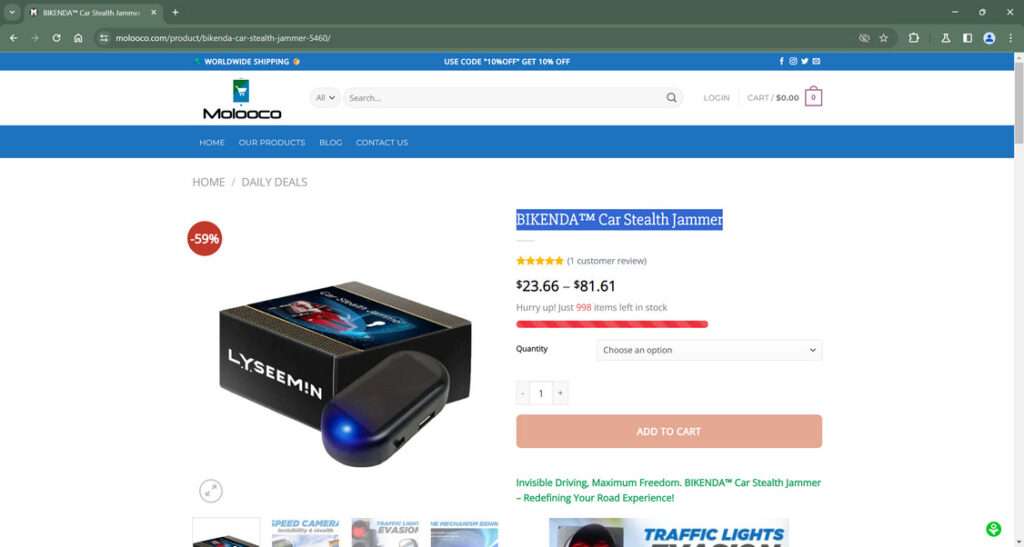
Overview of the Dubious BIKENDA Car Stealth Jammer Scam
The BIKENDA Car Stealth Jammer scam relies on fabricating unbelievable claims about disrupting key automobile signals to prevent tracking and monitoring which drivers find intrusive in order to egregiously overcharge for cheap $1 novelty lights sourced from Chinese websites like Alibaba.
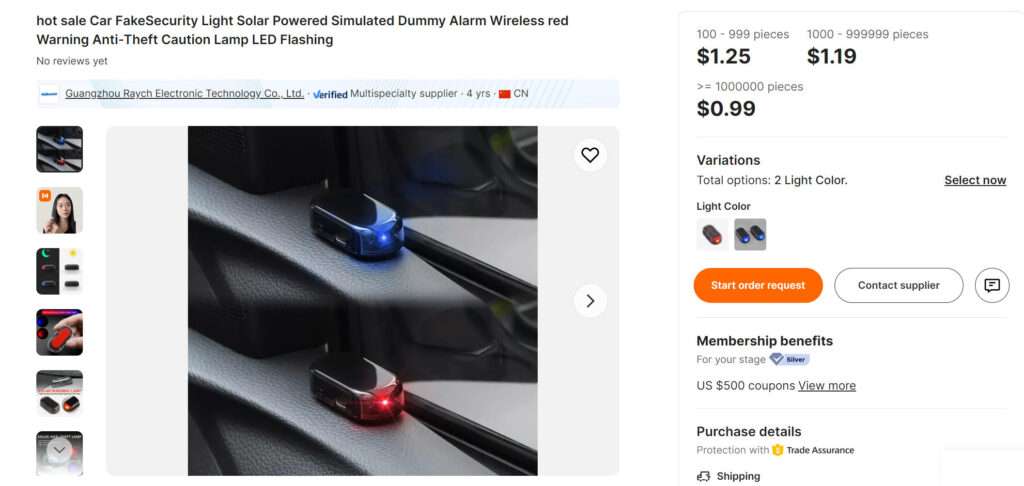
The deceptive social media advertising campaign on platforms like Facebook, Instagram and TikTok portrays the BIKENDA device as a must-have automotive privacy and security innovation which can supposedly block GPS monitoring, nearby speed trap cameras, parking violation sensors, red light cameras and more through “advanced signal jamming technology” that simply does not exist in reality.
Some examples of the completely fictitious claims made about preventing ticket and tracking systems for drivers include:
- “The BIKENDA Car Stealth Jammer scrambles GPS signals from navigation services and tracking companies attempting to pinpoint and monitor your location without consent.”
- “Our proprietary signal hacking firmware disrupt speed trap cameras relying on radar, rendering them unable to determine your vehicle’s speed for automated ticketing.”
- “Specialized electromagnetic frequencies emitted by the jammer overpower illegal parking sensors so you need not worry about getting slapped with unfair street sweeping citations.”
- “Cutting-edge scrambling algorithms in the BIKENDA module disrupt red light camera systems denying them the required evidence to issue automated tickets at equipped intersections.”
While perhaps enticing to privacy-valuing drivers, the reality upon receiving the $39-$99 “signal blocking” products is immediate realization it’s just a $1 solar-powered red dummy anti-theft light obviously lacking any capability to actively disrupt external automobile signals.
Yet thanks to the compelling terminology in the ads mentioning “advanced signal jamming technology”, “scrambling GPS signals”, “hacking radar systems” and “disrupting parking sensors”, victims routinely report getting massively overcharged on individual units, some for over $100 each.
And good luck getting a refund or response after the scammers behind the false ads collect payments on these egregiously falsified products. Any attempt to contact them through provided limited means like throwaway email addresses results in automated undeliverable responses or no replies at all.
So in summary – through the use of unbelievable claims crafted to deceive drivers unfamiliar with vehicle signal technologies and security regulations, this egregious automotive scam manages to secure lucrative payments upfront for cheap $1 dummy lights clearly lacking any special blocking or disruption capabilities falsely touted to prey on uninformed enthusiasts impulse reacting to the compelling but unrealistic marketing.
Scammers Rebrand the Same $1 Device Under Various Names
It’s important to note that this signal disruption automotive scam constantly resurfaces under new fictional company names and product brands to avoid easy connections back to previously exposed operations by defrauded customers.
Some other brand names that pop-up social media ads have promoted through unbelievable claims of disrupting external vehicle signals and preventing fines include Aexzr Car Stealth Jammer, InvisoJam Car Stealth Jammer Device, Lyseemin Car Stealth Jammer, Bikenda Car Stealth Jammer, Biancat StealthDrive, and BIKENDATM 5G Car Stealth Jammer among other branding tactics.
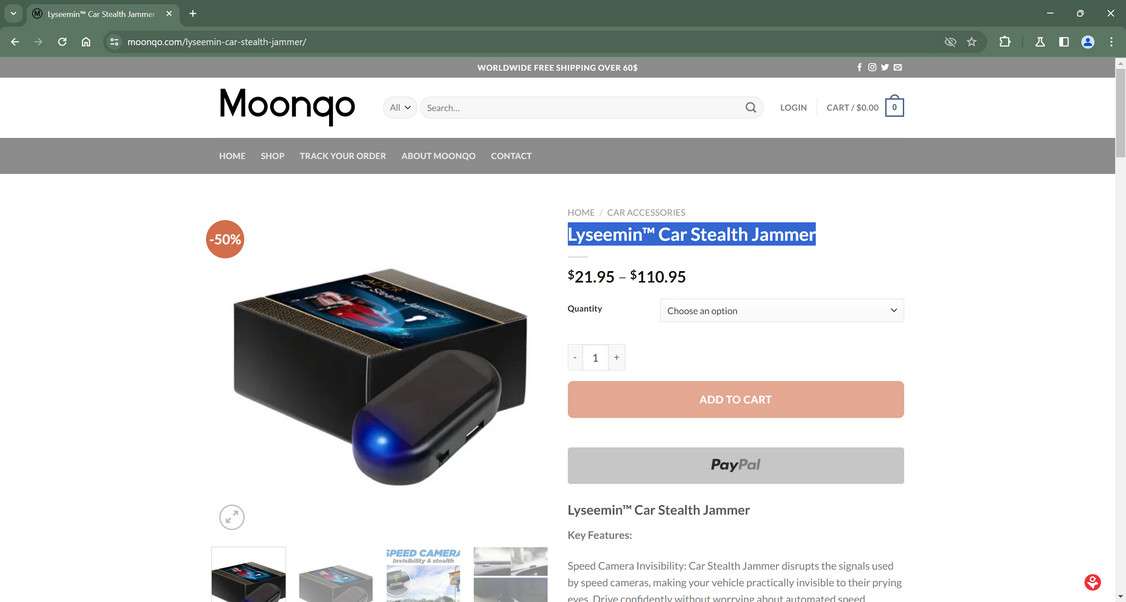
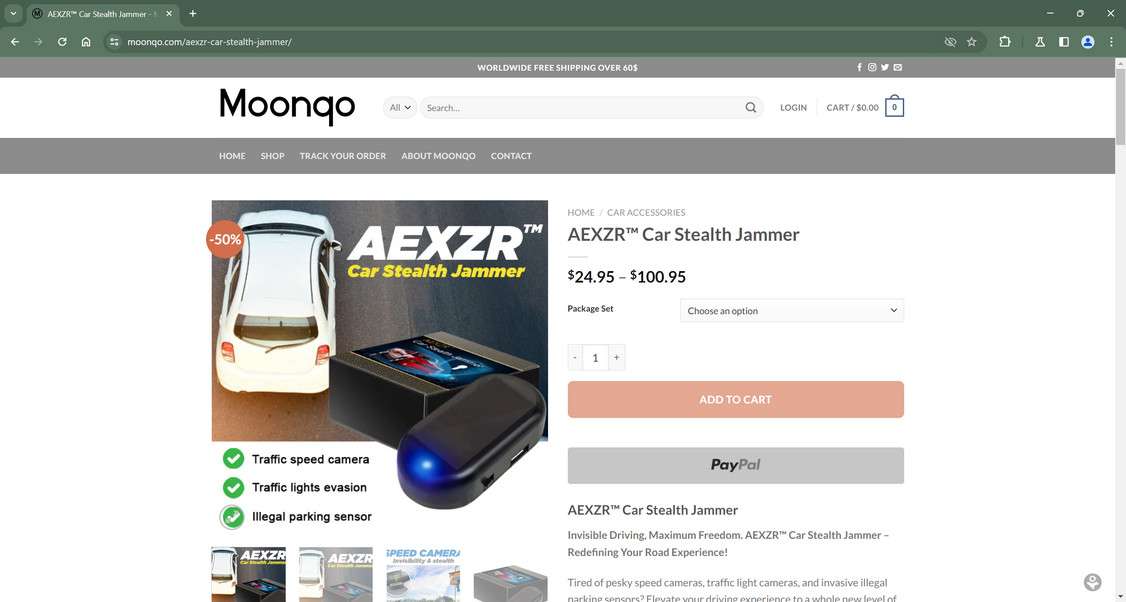
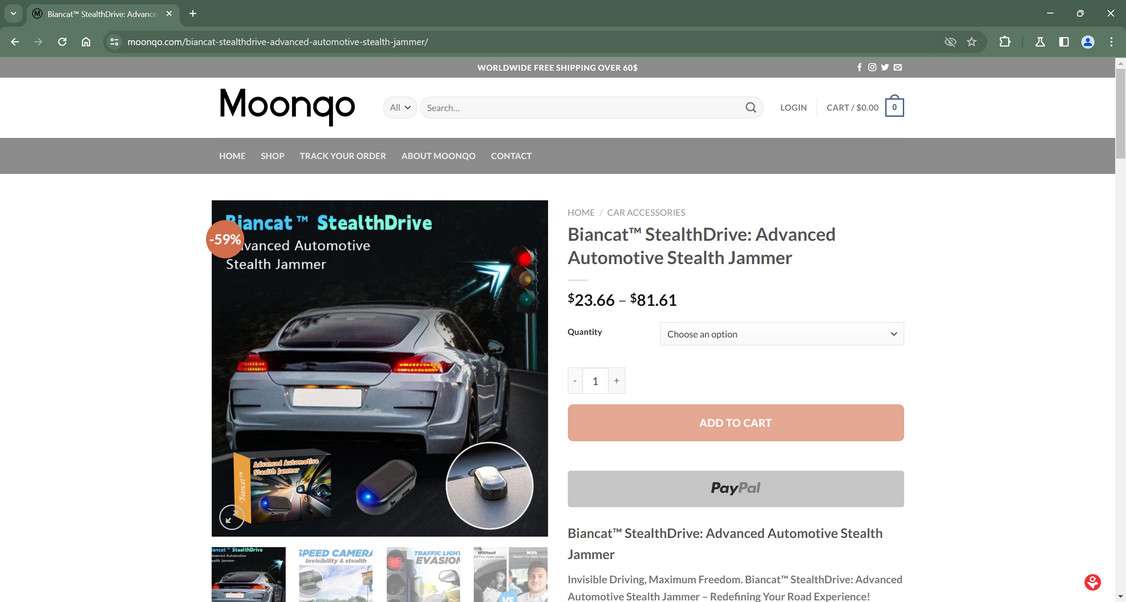
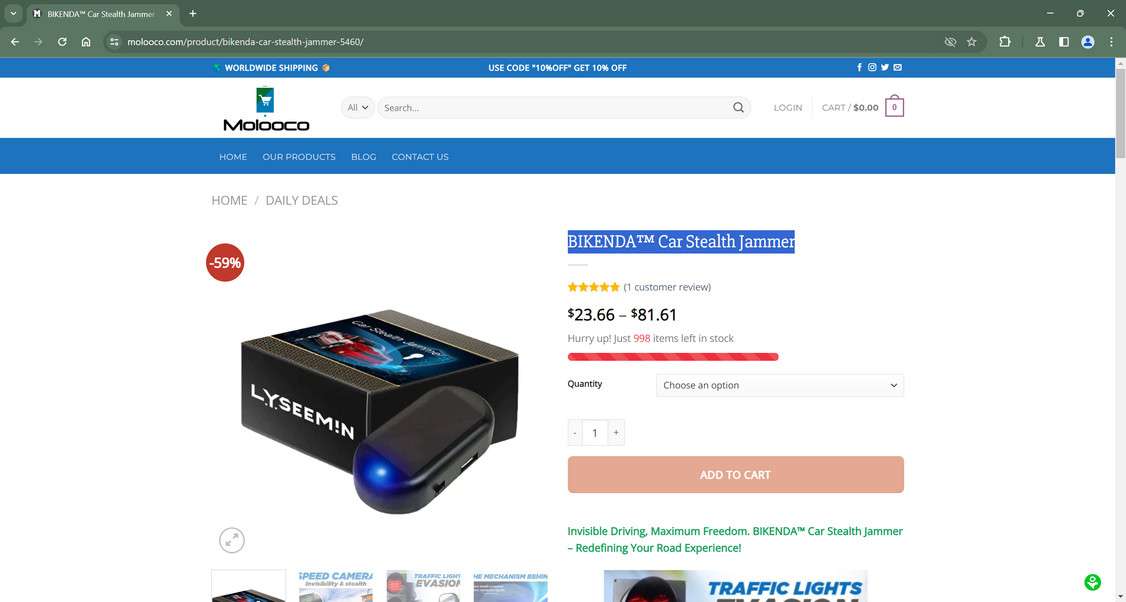
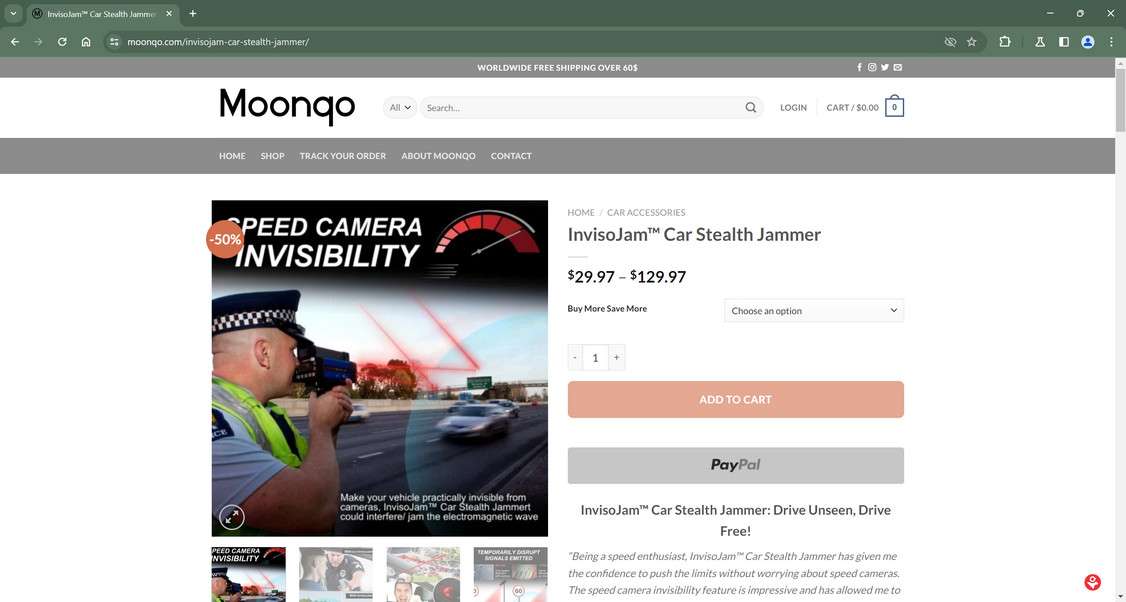
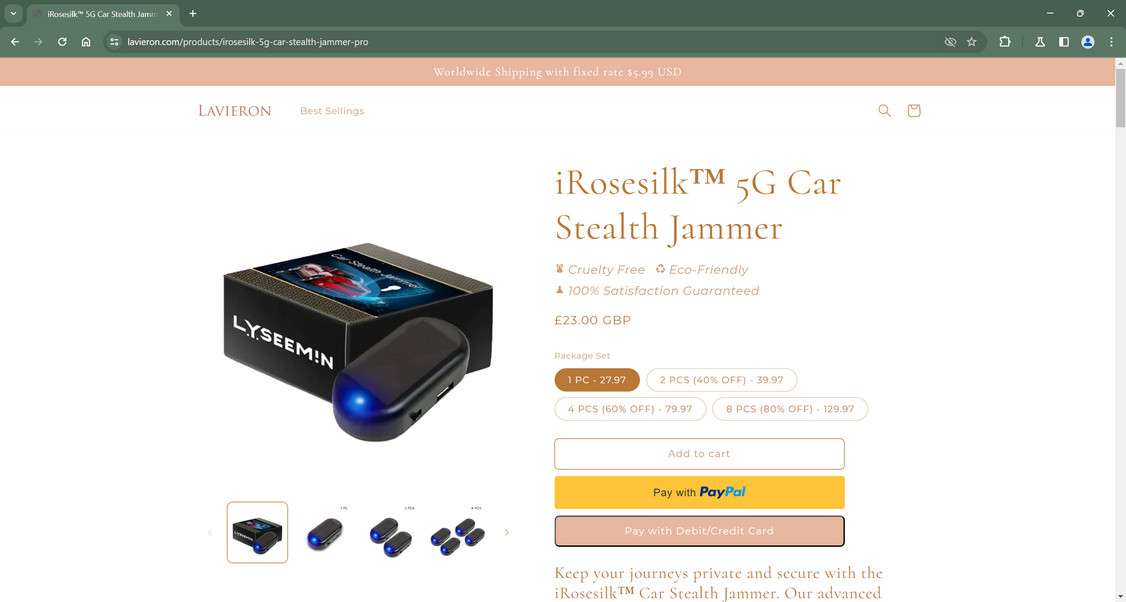
However, despite the different names and ever-evolving origin stories, the devices behind all these brands are exactly the same – $1 anti-theft dummy lights ordered in bulk from Chinese wholesale websites then resold through fabricated claims and manipulated media to overcharge consumers unfamiliar with real automotive privacy and security accessories.
So drivers must beware these routinely rebranded scams promoting cheap novelty items as must-have high-tech automotive innovations through unbelievable claims across slick marketing campaigns. A small flashing red light simply cannot disrupt signals or prevent fines regardless of terminology used.
How the BIKENDA Car Stealth Jammer Scam Unravels
The BIKENDA Car Stealth Jammer scam follows a deceptive playbook to overcharge consumers using unbelievable claims that fall apart upon delivery. Here’s an in-depth look:
Phase 1: Crafting Misleading Social Media Ads
The scam starts with carefully fabricated social media ads portraying the BIKENDA device as a remarkable automotive innovation allowing unprecedented privacy through extensive signal blocking capabilities. Scammers routinely run ads on sites like Facebook, TikTok and Instagram.
These compelling ads utilize manipulated media and fake authority claims about disrupting GPS, traffic cameras, parking sensors and more to depict the $1 items as must-have car security gadgets.
Some examples of the completely unbelievable claims made about blocking signals include:
- “Emits waves disabling GPS tracking systems attempting to monitor your location”
- “Jams speed trap cameras so you no longer need to slow down passing monitoring hot spots”
- “Disrupts sensors so you can park safely without getting parking violation tickets”
- “Works against red light camera systems allowing you to drive through intersections without camera fines”
The goal is to entice unaware consumers by portraying the BIKENDA device as a remarkable automotive privacy solution working through signal blocking and disruption capabilities that simply don’t exist in reality.
Phase 2: Preventing Research and Pushing Bundled Purchases
After clicking an ad, victims are funneled to sites utilizing additional tricks to prevent research while pushing hurried bulk purchases, including:
- More fake demonstrations of impossible traffic camera, parking sensor and signal blocking
- Completely fabricated consumer testimonials validating the unbelievable claims
- Countdown timers and declining stock counters urging immediate multi-unit orders
- No negative feedback or impartial reviews – only positive commentary
- No company information, address or contact details provided anywhere
The key goal is limiting research into the $1 source novelty items while pushing buyers into high quantity orders compounding already inflated profit margins.
Phase 3: Refusing Returns and Ignoring Complaints
Unfortunately, most consumers soon realize post-purchase that it’s a scam device after plugging it in and seeing no actual signal blocking capabilities activate as advertised. Attempts to return the cheap $1 dummy lights often go ignored or rejected, including:
- Emails and calls getting only automated responses or no replies at all
- Refusals due to supposed expiration of intentionally short refund periods
- Rejected credit card chargebacks using fabricated shipping details and information
- Forced “exchanges” for identical $1 red dummy lights rather than refunds
This pattern exposes the true intent – collect payments touting unbelievable products then provide no accountability or customer service when items predictably underdeliver. Legitimate automotive companies do not operate like this.
Key Warning Signs to Identify BIKENDA Car Stealth Jammer Scam Websites
While compelling social media ads portraying unbelievable automotive innovations catch shopper eyes, the actual scam websites used to overcharge are often littered with telling signs of fraudulent domain operations if you know the indicators.
Some dead giveaways to watch for include:
- Extremely recently registered domains, often in the last 90 days. Services like WHOIS lookups expose true site ages hiding behind template designs.
- No legitimate business information, addresses or ways to directly contact whoever is operating the sites beyond web forms and disposable email addresses rarely monitored.
- Prices listed as 80% off or more compared to a fake original price presented to imply unbelievable deal urgency driving impulse purchase reactions.
- Layouts, images, and even full blog sections are stolen from other existing automotive accessory sites and pasted generically with no context. Reverse image searches reveal original sources.
- Countdown timers set to expire very soon and limited quantity stock warnings used to further motivate reactionary buying before allowing methodical product research.
In addition to false scarcity claims, outrageously discounted pricing, nonexistent original MSRP listings, and pressure tactics leveraging herd mentality are go-to signs of overcharged scam products being offloaded through deception rather than value offerings from legitimate companies committed to ethics and customer satisfaction.
Checking site registration dates, researching owners, questioning contact avenues, verifying discounts, assessing original imagery, and noting pressure tactics helps avoid falling victim when customizing your new car with enticing upgrades advertised questionable sites. Apply due diligence before payments. If something seems unbelievable, validate capabilities though objective third party product analysis rather than impulse reactions alone.
How to Spot Automotive Scams Promoting BIKENDA on Social Media
The BIKENDA Car Stealth Jammer scam spreads on sites like Facebook, Instagram and TikTok by leveraging fake discounts, urgency tactics, stolen media and more. Here is how to identify this egregious scam across these platforms:
Spotting Deceptive BIKENDA Marketing on Facebook
On Facebook, watch for ads promoting the $1 item with impossible claims using the following manipulation tactics:
- “Free Shipping” and “Clearance Sale, Up to 90% Off!” style captions creating unrealistic urgency and discounts.
- Fake customer comments and ridiculously perfect 5 star ratings meant to portray satisfied customers.
- Posts using terms like “flash sale” and “selling out quick!” to pressure reactionary purchases.
- After clicking, the website has limited information and no verifiable contacts beyond web forms rarely checked.
These types of approaches signal egregious scams – access signal blocking capabilities from a $1 novelty light are obviously unrealistic.
Identifying Dubious BIKENDA Promotions on Instagram
Key Instagram warning signs also include:
- Influencers promote the $1 item using unique codes tied to outright unbelievable claims like disabling complex traffic camera systems.
- Many fake follower accounts leave overly positive comments endorsing an unrealistic signal blocking light.
- Links in bios route to questionable websites with fake demonstrations, huge markdowns and insufficient company details.
When something seems impossible promoted by an influencer, it almost certainly is. Verify all product capabilities through impartial analysis rather than face-value claims.
Recognizing BIKENDA Scams Being Run on TikTok
On TikTok, the scammers post manipulated videos showing drivers freely running red lights and blowing past speed traps allegedly thanks to “BIKENDA signal scrambling protection”. But indicators include:
- Using jump cuts and other video edits to stage impossible traffic camera evasion footage.
- All commenters fully endorse the unrealistic capabilities allowing things like ignoring intersections legally.
- Links go to suspicious sales websites with insufficient details beyond untraceable contact webforms.
Apply extreme skepticism rather than believing sensationalized TikTok videos at face value. If an offered automotive deal looks too good to be true, it nearly always is.
Report Fake BIKENDA Ads Running Social Networks
See questionable or unbelievable ads for BIKENDA Car Stealth Jammers? Report them to get these removed. Prevent these scams from capturing other drivers.
What To Do If You Purchased an BIKENDA Car Stealth Jammer
If you unfortunately ordered one of these egregiously overhyped $1 red anti-theft lights, follow these steps:
1. Dispute charges immediately: Contact your card provider to request a chargeback refund, reporting the charges as fraudulent over an obviously falsified product.
2. Gather evidence: Take photos of the cheap novelty item shipped clearly lacking any signal disrupting technology or capabilities as outrageously touted in the ads and websites.
3. Submit scam reports: File complaints about the sham products and deceitful business practices to the FTC, state attorneys general, RipOff Report and scam reporting sites.
4. Leave online reviews: Warn others by detailing the misleading products and advertising across review sites and social networks. Spread awareness to help curb this scam.
5. Escalate matters with your bank: If chargebacks get denied unlikely as they may be, request arbitration forcing refund issuance over such an obviously falsified automotive product.
With diligence, persistence and good documentation, many victims successfully compel refunds from banks over such egregiously scammy sham products using these steps. But avoid automotive scams from the start when possible.
How To Spot Fake Car Stealth Jammers Scams Online
Here are some key tips for recognizing exaggerated Car Stealth Jammers ads online:
- Outlandish capabilities touted – Be extremely skeptical about magical signal blocking feats from a small novelty car item. If the benefits seem unbelievable, they almost certainly are.
- Manipulated media and demonstrations – Look for odd cuts and transitions in videos while assessing realistic device functionality. Effects can be used to simulate capabilities that don’t actually exist.
- Fake endorsements – Watch for questionable ad claims around media coverage, company prowess and consumer happiness likely fabricated to oversell cheap products.
- Rehashed products – These scams constantly resurface under new brand names and origin stories once exposed. Search online to check for recent scam warnings around automotive gear with similar too-good-to-be-true promises.
Staying vigilant around online automotive ads promising unbelievable world-beating products revolutionizing driver experiences protects against egregious overpayment scams. Verify all objective product capabilities and seller legitimacy before purchase. Avoid impulse reactions to compelling claims until proper due diligence completed. Your best defense is proactive precaution.
Frequently Asked Questions About the Dubious BIKENDA Automotive Scam
Misleading BIKENDA Car Stealth Jammer ads are proliferating using unbelievable claims of advanced signal blocking tech. This FAQ answers key questions about this egregious scam.
What exactly is the BIKENDA Car Stealth Jammer scam?
The BIKENDA scam uses viral ads and websites with impossible claims of disrupting signals to prevent fines and monitoring. But it really promotes $1 novelty lights from China at insane 40X markups through falsified products and claims.
How are BIKENDA Car Stealth Jammers advertised?
Scammers run Facebook ads, Instagram influencer promotions and YouTube reviews depicting the $1 item as an automotive privacy/security innovation using proprietary technology to block GPS, speed cameras, parking sensors and more. But these capabilities are outright fabrications.
What misleading signal blocking claims do the BIKENDA ads make?
Some clearly fabricated claims are disrupting GPS tracking systems, blocking speed trap traffic cameras, preventing parking violation sensor ticks, hacking red light camera systems, and leveraging advanced automotive signal jamming technology through a simple novelty light.
Where do the fraudulent BIKENDA ads funnel victims clicking on them?
The fake social media ads send victims to shady websites packed with more manipulated media demonstrations showing impossible signal blocking, fake discounts and reviews, and aggressive upselling urging purchase before fake countdown timers run out.
What transpires for victims after purchasing?
Many report the sellers instantly disappear after taking payment, leaving no way to contact them when the $1 novelty item arrives lacking any ability to actively block GPS, traffic cameras, parking sensors or perform other outrageous functionality depicted in the highly deceptive ads.
What indicates an automotive privacy device being promoted through a scam?
Red flags include unbelievable capabilities claimed, manipulated demonstrations showing them, no company address provided, refusing refunds, deleting negative comments, and having absolutely no way to contact the seller after purchase to issue complaints.
What should consumers do if they realize purchased automotive gear is falsified?
Immediately file a chargeback request with your credit card provider disputing the charges as fraudulent over egregiously fabricated products, provide documentation proving false marketing, then submit detailed scam complaints to appropriate consumer protection agencies.
Hopefully this FAQ helps explain common versions of this egregious automotive scam and provides some guidance on protecting yourself when making purchases advertised on social media. Applying precaution is your ultimate protection.
The Bottom Line on the Viral BIKENDA Car Stealth Jammer Scam
In summary, key facts to remember around this automotive privacy gadget overcharging scam:
- Slick social media ads rely on fakes and urgency to portray cheap novelty items as automotive innovations
- Sketchy sales pages prevent research while pushing multi-unit bulk orders
- The actual $1 product completely lacks any signal blocking capabilities as outrageously advertised
- Requested refunds over falsified products often get ignored or rejected
- Verify all automotive accessory and aftermarket sellers before purchase
- Contesting sketchy charges can compel at least partial refunds from fair banks
Hopefully this guide helps explain how unbelievable claims and manipulated media can be used to massively overcharge for essentially worthless novelty products on automotive enthusiast shopping sites and marketplaces. Stay vigilant – if an automotive gadget seems too incredible to be true, it almost certainly is. Verify capabilities with impartial experts before purchase over herd-mentality impulse alone. Applying healthy skepticism protects from falling victim to such egregious scams.

Join the discussion
0 commentsShare your experience or ask a question about this article.
Discussion
Start the conversation
Have a question or something useful to share? Add the first comment.