


A headline about billions disappearing from Binance is alarming enough. An urgent message offering to protect your account can make the situation considerably more confusing.
The safest response starts by separating the exchange’s security incident from anything a stranger is asking you to do with your own money.
Overview
The October 2026 Binance theft is a real security incident
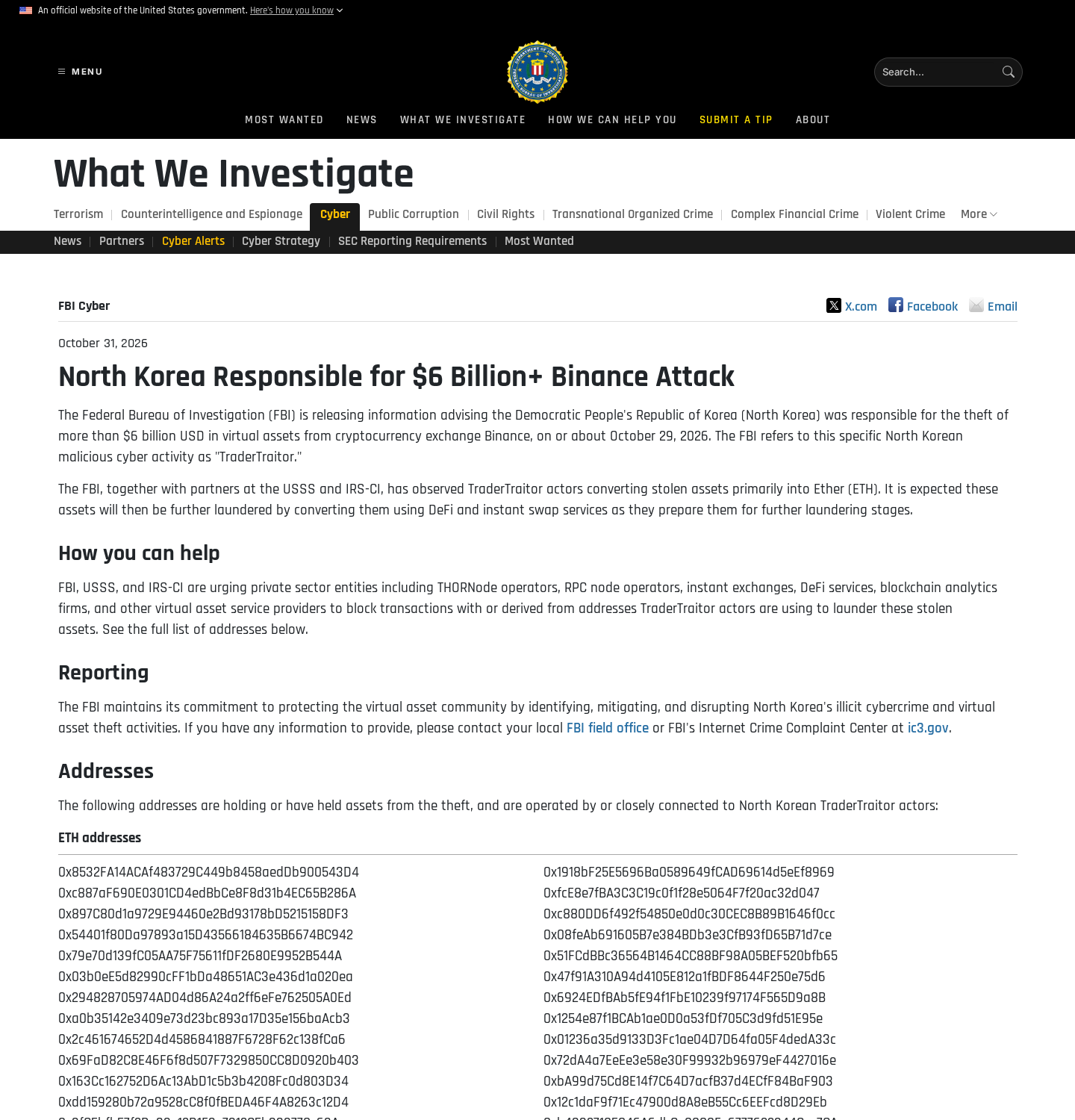
The FBI attributes the theft of more than $6 billion from Binance, on or about October 29, 2026, to North Korean actors it calls TraderTraitor.
Blockchain investigator TRM Labs estimates approximately $6.36 billion moved from Binance wallets across ten networks. Other public reporting rounds the amount to $6.3 billion.
Exchange losses are different from an individual account takeover
The incident concerns funds leaving exchange-controlled wallets. Reading that headline doesn’t establish that somebody knows your password or has compromised your personal device.
Your own transaction history, account activity, and official notices are the starting points for deciding whether you have a separate account problem.
A real incident gives impersonators a convincing opening
A caller can repeat accurate news while supplying a fraudulent instruction. A demand for a safety transfer, recovery payment, or authentication code needs independent verification.
- Check information inside the app or through a support route you already trust.
- Don’t move assets to a wallet supplied by an unsolicited contact.
- Don’t disclose a recovery phrase, password, or one-time code.
- Preserve suspicious messages and any actual unauthorized transaction details.
What Has Been Confirmed About the Binance Hack?
The strongest attribution is the FBI’s October 31 advisory, not a social-media account claiming insider knowledge.
It names TraderTraitor and describes the conversion of stolen assets, primarily into Ether, followed by expected attempts at further laundering.
The bureau also asks relevant cryptocurrency businesses to block transactions involving listed attacker addresses. That request is directed at entities able to screen or restrict transactions.
It is not an instruction for ordinary customers to send assets to those addresses. A public list of attacker wallets is evidence, not a compensation portal.
TRM’s on-chain analysis supplies a more detailed estimate of the outflow and describes issuer freezes. Those figures represent a developing investigation rather than a final balance sheet.
A frozen asset is restricted from moving. That doesn’t necessarily mean it has already been returned, credited to customers, or finally recovered through legal proceedings.
Keep those terms separate when reading updates. Gross theft, remaining attacker holdings, frozen amounts, and the exchange’s eventual loss answer different questions.
What Binance Has Said, and What Remains Preliminary
Public reporting quotes Binance describing a possible compromised DevOps laptop and subsequent unauthorized withdrawal activity. The company has said it found no evidence of private-key leakage.
Those are preliminary company statements, not a completed forensic explanation. They shouldn’t become a confident claim that one employee simply clicked away billions.
Binance has also publicly said it would cover losses with company resources. That undertaking should be checked against current official updates, not a caller’s reassurance.
We couldn’t directly retrieve one Binance Square update through the research connection. Consequently, this article doesn’t present a newly tested account balance or withdrawal status.
Network availability can change as an exchange investigates. A temporary restriction on one network doesn’t establish the same condition on every network or service.
Also check which entity serves you. Reporting about Binance.com should not automatically be assigned to Binance.US, a separate service with its own notices.
Why a Hot-Wallet Theft Doesn’t Prove Your Password Was Stolen
An exchange holds and manages cryptocurrency for customers. Some wallets stay connected to operational systems so withdrawals can be processed.
Your account balance is the exchange’s record of what it owes you. It isn’t necessarily a separate blockchain wallet containing only your deposits.
Attackers reaching an exchange’s transfer infrastructure can therefore cause a major incident without individually logging into every customer’s account.
The reverse is also important: a normal-looking balance doesn’t prove your login is secure. A separate phishing attempt can compromise an account during the same news cycle.
Check for unfamiliar sessions, changes to recovery methods, unauthorized orders, or withdrawals you didn’t initiate. Report those observations rather than guessing from headlines.
If you manage an organization account, involve its authorized security and treasury contacts. Don’t improvise a transfer outside established approval procedures because a message says time is running out.
The Follow-Up Messages That Deserve Immediate Suspicion
A demand to move money into a safe wallet
Someone claiming to protect you may supply a wallet address and call it temporary storage, a protected account, or a required migration.
The label doesn’t change who controls the destination. If you authorize that transfer, you may be moving money directly to the person frightening you.
End the conversation and verify through your independently opened account. Don’t let the caller coach you through a supposed security check.
A compensation page that wants wallet approval
A message can turn the breach into an apparent opportunity: connect your wallet, sign a request, and receive a refund or bonus.
Wallet signatures aren’t all harmless login confirmations. Some actions can grant spending authority or initiate transactions, depending on what you approve.
Don’t connect an unrelated personal wallet to a page supplied through a breach message. Verify any genuine process directly with the responsible service first.
A support agent requesting authentication secrets
Passwords, one-time codes, recovery codes, and wallet seed phrases are not interchangeable. Each can expose a different part of your account or funds.
A code may authorize a withdrawal or a new login rather than merely confirm your identity. Read the actual prompt, not the caller’s explanation.
If someone asks you to approve a notification you didn’t trigger, reject it and check the account through a separate trusted route.
A private recovery expert demanding advance payment
The FBI has separately warned about recovery operators who target people already hurt by cryptocurrency theft. Their sales pitch often begins with a promised quick result.
A tracing report isn’t a seizure order. A private stranger cannot turn a blockchain screenshot into authority to force another wallet to release funds.
Do not pay an unknown contact to unlock compensation, taxes, or an investigation. Report the offer alongside the original loss if applicable.
A Calm Account Check You Can Do Without Following a Stranger
Open the app already installed on your device, or use a bookmark you created before the incident. Avoid sponsored search results claiming emergency assistance.
Review recent activity in an ordinary order: account notices, security changes, transactions, and any pending withdrawal requests.
If your records look normal, keep monitoring official updates. Don’t repeatedly test large transfers merely to reassure yourself, especially if a network is restricted.
If something is unfamiliar, capture the relevant details and contact support from within the authenticated service. An internal ticket is safer than a number pasted into comments.
Check the email account linked to the exchange as well. Unauthorized email access can undermine password recovery and conceal account notifications.
Use unique credentials and the strongest supported authentication you can manage. Store recovery information securely rather than in the same exposed mailbox.
A genuine investigation may take time. That uncertainty doesn’t make an unofficial Telegram operator a better source of account-specific instructions.
Match the Response to What You Actually Did
If you only read the story, you haven’t exposed credentials by reading it. There is no basis here for declaring your computer infected.
If you opened a suspicious page but entered nothing, close it. Preserve the address if needed for reporting, without revisiting it to experiment.
If you entered exchange credentials, use a trusted device to secure the account and its recovery channels. Contact support about sessions and unauthorized changes.
If you approved an authentication prompt, explain exactly what the screen said. Support needs to know whether it involved a login, withdrawal, or security-setting change.
If you disclosed a wallet recovery phrase, treat that wallet as exposed. Seek guidance from the wallet’s genuine documentation, not the contact who requested it.
If you installed remote-access software at a caller’s request, stop using that connection and get trusted device help. Account protection and device investigation are separate tasks.
For an employer-managed device, notify its security team before deleting software or logs. An improvised cleanup can remove evidence the team needs.
What to Do If You See Unauthorized Activity
-
Reach the correct service through an independent channel. Report the account event using the authenticated app or verified support information.
Give the time, affected asset, network, transaction identifier, and the security change you didn’t authorize. Avoid posting full account details publicly.
-
Ask about immediate account restrictions. If withdrawals or access are unauthorized, ask support what containment measures apply to your account.
Don’t assume a global news announcement has already contained your separate incident. Make the account-specific report.
-
Protect the linked email and recovery methods. Review unfamiliar sessions and unexpected forwarding or recovery changes through the email provider’s official controls.
Preserve evidence of changes. A new password alone may not address an already active session or a modified recovery route.
-
Keep the transaction trail intact. Save transaction hashes, receiving addresses, messages, receipts, ticket numbers, and the order in which events happened.
Distinguish the public Binance theft from any payment you personally made to an impersonator. Combining them can obscure the relevant destination.
-
Report an actual loss promptly. In the US, use the FBI’s IC3 reporting route; elsewhere, contact the appropriate local cybercrime authority.
A report supports investigation, but it isn’t a promise of repayment. Never pay somebody claiming an investigative fee is required to release your report.
-
Watch for a second approach. Publicly asking for recovery help can attract more scammers. Share sensitive records only with verified support or authorities.
Keep a helper’s identity separate from the evidence they show you. Accurate transaction details can be copied from public blockchain records.
Understand the Record Before You Report a Missing Transfer
An exchange withdrawal record and a blockchain transaction answer related but different questions. Keep both when a payment is missing or unauthorized.
The account record can show which withdrawal was requested and its status. A transaction hash identifies a particular transfer on a particular network.
A familiar token name isn’t enough to identify that network. Include the network shown in the receipt rather than assuming every transfer uses Ethereum.
Don’t send another payment because a stranger says the first needs activation. Ask the genuine service to explain the existing transfer and any displayed restriction.
A screenshot of a large balance is not evidence that funds have reached your account. Confirm the credit through your own authenticated view.
Equally, a public address holding funds doesn’t identify the person controlling it. Let investigators assess attribution instead of contacting someone based on an unsupported online accusation.
If an impersonator gave you a receiving address, keep the original message showing that instruction. It can connect the conversation with the payment record.
Write down whether the payment was your authorized deposit, an unauthorized withdrawal, or a transfer you made after being deceived. The distinction helps the recipient assess your report.
Redact authentication secrets before sharing evidence. A legitimate transaction investigation needs transaction information, not a recovery phrase or an unrestricted screen-sharing session.
What This Incident Should Change About Future Decisions
Custody is a trade-off, not a slogan. Keeping assets on an exchange makes you dependent on its operations, access rules, and ability to meet customer obligations.
Self-custody introduces different responsibilities, including protecting recovery material and understanding transactions. A rushed migration prompted by fear can create a fresh loss.
Review those choices when you can think clearly and verify the process. Don’t make an all-or-nothing decision while an unsolicited caller is directing your screen.
Likewise, don’t confuse a company’s promise to cover losses with completed recovery. Look for account-specific credits and official explanations rather than celebratory screenshots.
The useful habit is independent verification before every consequential action. A genuine event explains why a message sounds plausible, not why its instructions should be trusted.
Frequently Asked Questions
Was Binance really hacked in October 2026?
Yes. The FBI attributes a theft exceeding $6 billion, on or about October 29, to North Korean TraderTraitor actors. Detailed loss and recovery figures remain developing.
Does the Binance hack mean my password was leaked?
The reported exchange-wallet incident doesn’t establish that. Check your account’s activity and security notices for signs of a separate compromise.
Should I send crypto to a support agent’s safe wallet?
No. Don’t transfer assets to a destination supplied by an unsolicited contact. Verify any account instruction through the genuine service independently.
Is frozen cryptocurrency already recovered?
Not necessarily. A freeze restricts movement; return, customer credit, and final recovery involve additional steps. Avoid treating every reported freeze as completed repayment.
Can a recovery company guarantee my money back?
No credible guarantee follows from seeing a blockchain transaction. The FBI warns that advance-fee recovery schemes can turn one loss into another.
Do I need to scan my computer because I read the news?
No. Reading about an exchange breach doesn’t establish device infection. Investigate device exposure only if something separate occurred, such as installing software at a stranger’s direction.
The Bottom Line
The Binance theft is real. A stranger’s safety wallet, compensation link, or recovery invoice isn’t made legitimate by that fact.
Check your account independently, report anything unauthorized through verified channels, and refuse instructions that hand your secrets or assets to an unsolicited helper.

Join the discussion
0 commentsShare your experience or ask a question about this article.
Discussion
Start the conversation
Have a question or something useful to share? Add the first comment.