

BlueStacks App Player is a popular software that allows users to run Android applications on their Windows or Mac computers. It creates a virtual Android environment on your PC, enabling you to enjoy your favorite mobile apps and games on a larger screen. However, like any software, it has its pros and cons, and you may be wondering whether you should remove it from your system. In this article, we will explore what BlueStacks App Player is, its features, potential drawbacks, and provide insights to help you make an informed decision.
What is BlueStacks App Player?
BlueStacks App Player is an Android emulator that allows you to run Android applications on your computer. It was first released in 2011 and has since gained popularity among gamers and app enthusiasts. The software creates a virtual Android device on your PC, enabling you to install and use Android apps just like you would on a smartphone or tablet.
BlueStacks offers a user-friendly interface and supports a wide range of apps, including popular games like PUBG Mobile, Clash of Clans, and Candy Crush Saga. It also provides features such as multi-instance, which allows you to run multiple instances of the emulator simultaneously, and keymapping, which lets you customize controls for games and apps.
Should I Remove BlueStacks App Player?
Whether or not you should remove BlueStacks App Player depends on your specific needs and preferences. Here are some factors to consider:
1. Performance Impact
BlueStacks App Player is a resource-intensive software that can consume a significant amount of your computer’s processing power and memory. If you have a low-end or older computer, running BlueStacks may slow down your system and affect overall performance. However, if you have a powerful computer with ample resources, the impact may be minimal.
2. Storage Space
BlueStacks requires a considerable amount of storage space to install and run. The software itself takes up several gigabytes of disk space, and each app you install within BlueStacks adds to that. If you have limited storage capacity on your computer, removing BlueStacks can free up valuable space for other applications and files.
3. Privacy and Security
Like any software that creates a virtual environment, there are potential privacy and security concerns with BlueStacks App Player. While BlueStacks itself is a legitimate and widely used software, it is essential to download it from the official website or trusted sources to avoid malware or other malicious software. Additionally, running Android apps on your computer may expose you to the same security risks as using them on a mobile device.
4. Alternative Emulators
If you decide to remove BlueStacks App Player, there are alternative Android emulators available that you can consider. Some popular options include NoxPlayer, MEmu, and Andy. These emulators offer similar features and functionality, so you can choose the one that best suits your needs.
How to Remove BlueStacks App Player?
If you have decided to remove BlueStacks App Player from your computer, you can do so using the following steps:
- Close BlueStacks App Player if it is running.
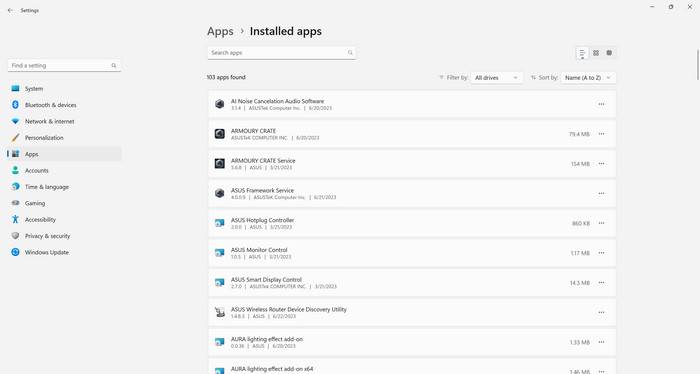
- Go to the Control Panel on your Windows computer or the Applications folder on your Mac.
- Locate BlueStacks App Player in the list of installed programs or applications.
- Right-click on BlueStacks and select “Uninstall” or “Move to Trash.”
- Follow the on-screen prompts to complete the uninstallation process.
Alternatively, you can use a third-party uninstaller tool like Revo Uninstaller Free to ensure a thorough removal of BlueStacks and its associated files and registry entries.
Conclusion
BlueStacks App Player is a powerful tool that allows you to run Android apps on your computer. However, it may not be suitable for everyone due to its performance impact, storage requirements, and potential privacy and security concerns. If you have a low-end computer or limited storage space, removing BlueStacks can help improve your system’s performance and free up storage. Additionally, considering alternative Android emulators can provide you with similar functionality. Ultimately, the decision to remove BlueStacks App Player depends on your individual needs and preferences.
Remember to carefully consider the factors discussed in this article and weigh the pros and cons before making a decision. Whether you choose to keep or remove BlueStacks, always ensure that you download software from trusted sources and take necessary precautions to protect your privacy and security.

Join the discussion
0 commentsShare your experience or ask a question about this article.
Discussion
Start the conversation
Have a question or something useful to share? Add the first comment.