

Scammers are constantly finding new ways to deceive unsuspecting individuals and steal their personal information or money. One such scam that has been on the rise is the BT ‘Your Monthly Payment Was Declined’ phishing scam. This article aims to provide a detailed overview of this scam, including what it is, how it works, what to do if you have fallen victim, technical details, and relevant statistics.
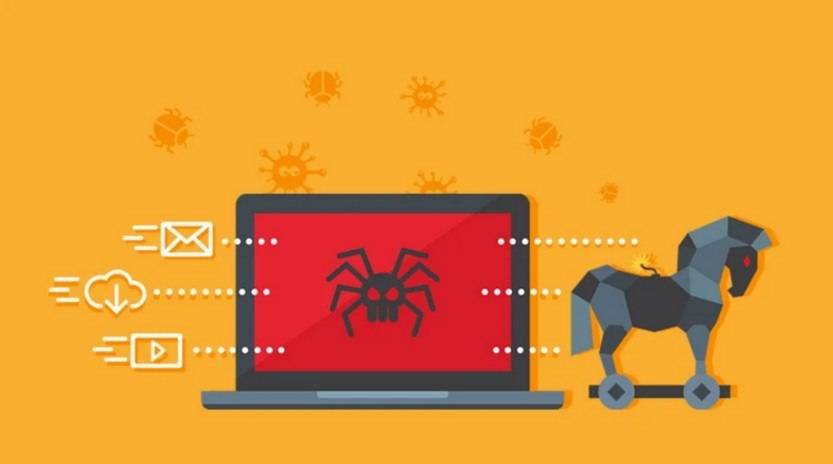
What is the BT ‘Your Monthly Payment Was Declined’ Phishing Scam?
The BT ‘Your Monthly Payment Was Declined’ phishing scam is an attempt by cybercriminals to trick BT customers into revealing their personal and financial information. The scammers send out emails or text messages that appear to be from BT, informing the recipient that their monthly payment has been declined and that they need to update their payment details to avoid service disruption.
The emails or text messages often contain official-looking logos, branding, and language to make them appear legitimate. They may also include a link that directs the recipient to a fake website designed to collect their information.
How Does the Scam Work?
The BT ‘Your Monthly Payment Was Declined’ phishing scam works by exploiting the trust that customers have in BT as a reputable telecommunications provider. The scammers send out mass emails or text messages to a large number of people, hoping that some will fall for the scam and provide their personal information.
When a recipient clicks on the link provided in the email or text message, they are taken to a fake website that closely resembles the official BT website. The website will prompt the user to enter their BT account login details, payment card information, and other personal details.
Once the scammers have obtained this information, they can use it to commit identity theft, make unauthorized purchases, or gain access to the victim’s financial accounts.
What to Do If You Have Fallen Victim?
If you have fallen victim to the BT ‘Your Monthly Payment Was Declined’ phishing scam, it is important to take immediate action to protect yourself and minimize the potential damage.
1. Change Your Passwords
The first step is to change your BT account password immediately. This will prevent the scammers from accessing your account and making any unauthorized changes or purchases.
2. Contact BT
Contact BT’s customer support as soon as possible to inform them about the scam and seek their guidance on further steps to take. They may be able to assist you in securing your account and preventing any fraudulent activity.
3. Monitor Your Accounts
Regularly monitor your bank accounts, credit cards, and other financial accounts for any suspicious activity. If you notice any unauthorized transactions, report them to your financial institution immediately.
4. Run a Scan with Malwarebytes
Scammers often use phishing scams as a way to deliver malware onto victims’ devices. To ensure that your device is not infected, it is recommended to run a scan with Malwarebytes Free or any other reputable antivirus software.
Technical Details of the Scam
The BT ‘Your Monthly Payment Was Declined’ phishing scam typically involves the use of social engineering techniques to trick victims into revealing their personal information. The scammers may use various tactics, such as:
- Spoofed email addresses or phone numbers to make the messages appear legitimate.
- Official-looking logos, branding, and language to deceive the recipients.
- Links to fake websites that closely resemble the official BT website.
- Prompting users to enter their BT account login details, payment card information, and other personal details.
It is important to note that BT will never ask for your personal or financial information via email or text message. They have strict security measures in place to protect their customers’ data and will always direct you to their official website or customer support channels for any account-related updates or issues.
Statistics on Phishing Scams
Phishing scams, including the BT ‘Your Monthly Payment Was Declined’ scam, continue to be a significant threat to individuals and organizations worldwide. Here are some statistics that highlight the scale and impact of phishing scams:
- According to the Anti-Phishing Working Group (APWG), there were over 241,324 unique phishing attacks reported in the first quarter of 2023.
- Phishing attacks cost businesses an estimated $1.8 billion in losses in 2022, according to the FBI’s Internet Crime Complaint Center (IC3).
- Approximately 1 in every 99 emails is a phishing attack, according to the 2022 Data Breach Investigations Report by Verizon.
- Phishing attacks are responsible for 90% of data breaches, according to a report by Cybint.
Summary
The BT ‘Your Monthly Payment Was Declined’ phishing scam is a deceptive scheme aimed at tricking BT customers into revealing their personal and financial information. The scammers send out emails or text messages that appear to be from BT, informing the recipients that their monthly payment has been declined and directing them to a fake website to update their payment details.
If you have fallen victim to this scam, it is crucial to take immediate action by changing your passwords, contacting BT, monitoring your accounts, and running a scan with Malwarebytes Free or other reputable antivirus software. By staying vigilant and following these steps, you can protect yourself from falling victim to phishing scams and safeguard your personal information.

Join the discussion
0 commentsShare your experience or ask a question about this article.
Discussion
Start the conversation
Have a question or something useful to share? Add the first comment.