

Scams have become increasingly prevalent in the digital age, with cybercriminals constantly devising new methods to deceive unsuspecting individuals. One such scam that has gained traction in recent years is the ‘Call Support’ Amazon phishing scam emails. These fraudulent emails are designed to trick recipients into believing that their Amazon account has been compromised, leading them to disclose sensitive information or download malicious software. In this article, we will delve into the details of this scam, how it works, what to do if you have fallen victim, and provide valuable insights to help you stay safe online.
What is the ‘Call Support’ Amazon Phishing Scam?
The ‘Call Support’ Amazon phishing scam is an email-based scam that targets Amazon customers. The scam typically begins with an email that appears to be from Amazon, informing the recipient that their account has been compromised or that there has been suspicious activity on their account. The email often includes a sense of urgency, urging the recipient to take immediate action to secure their account.
These phishing emails are carefully crafted to mimic the appearance of legitimate Amazon emails, complete with the company’s logo, branding, and even official-sounding email addresses. The goal is to trick recipients into believing that the email is genuine and that they need to follow the instructions provided to resolve the issue.
How Does the Scam Work?
Once a recipient falls for the scam and clicks on the provided link or calls the phone number mentioned in the email, they are directed to a fake Amazon login page or connected to a scammer posing as an Amazon support representative. The scammer then attempts to extract sensitive information from the victim, such as their Amazon account credentials, credit card details, or other personal information.
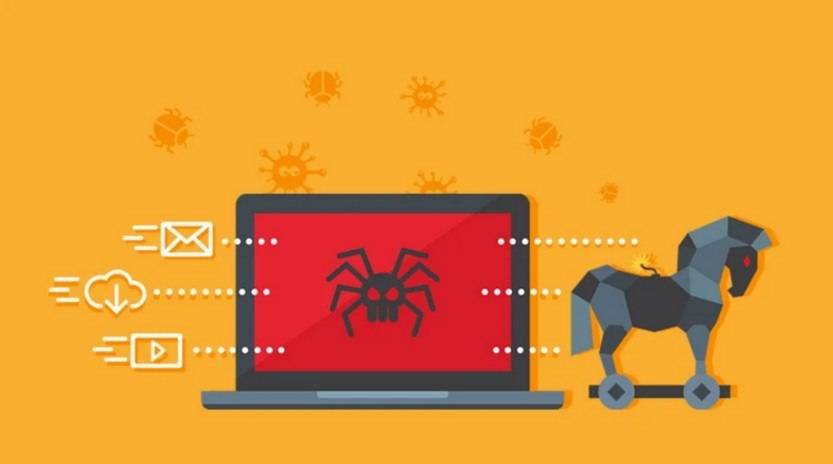
In some cases, the scammer may ask the victim to download and install remote access software, claiming that it is necessary to fix the account issue. However, this software is often malware that allows the scammer to gain unauthorized access to the victim’s computer and steal sensitive information.
What to Do If You Have Fallen Victim?
Discovering that you have fallen victim to a phishing scam can be distressing, but it is important to take immediate action to minimize the potential damage. Here are the steps you should follow if you have fallen victim to the ‘Call Support’ Amazon phishing scam:
- Change your Amazon account password: As soon as you realize you have been scammed, change your Amazon account password to prevent further unauthorized access.
- Contact Amazon: Reach out to Amazon’s customer support to report the incident and seek guidance on securing your account.
- Scan your device for malware: Run a scan with Malwarebytes Free or another reputable antivirus software to detect and remove any malware that may have been installed on your device.
- Monitor your accounts: Keep a close eye on your bank accounts, credit cards, and other online accounts for any suspicious activity. If you notice any unauthorized transactions, report them immediately to the respective financial institution.
- Be cautious of future emails: Exercise caution when receiving emails claiming to be from Amazon or any other service provider. Verify the legitimacy of the email by contacting the company directly through their official website or customer support channels.
Technical Details of the Scam
The ‘Call Support’ Amazon phishing scam relies on various techniques to deceive recipients and gain access to their sensitive information. Here are some technical details of the scam:
- Email Spoofing: Scammers often use email spoofing techniques to make the email appear as if it is coming from a legitimate Amazon email address. They may also use similar domain names or subdomains to further deceive the recipient.
- Phishing Websites: The links provided in the email often lead to phishing websites that closely resemble the official Amazon login page. These websites are designed to trick users into entering their login credentials, which are then captured by the scammers.
- Social Engineering: Scammers employ social engineering tactics to create a sense of urgency and panic in the recipient, increasing the likelihood of them falling for the scam. They may use alarming language, threats of account suspension, or promises of rewards to manipulate the victim’s emotions.
- Malware Distribution: In some instances, the scam may involve the distribution of malware. The victim may be prompted to download and install software that claims to fix the account issue but instead installs malware on their device, allowing the scammer to gain unauthorized access.
Statistics on Phishing Scams
Phishing scams, including the ‘Call Support’ Amazon phishing scam, continue to be a significant threat in the digital landscape. Here are some statistics that highlight the prevalence and impact of phishing scams:
- According to the Anti-Phishing Working Group (APWG), there were over 241,324 unique phishing attacks reported in the first quarter of 2021 alone.
- Phishing attacks have become more sophisticated, with 69% of phishing attacks targeting businesses in 2020, according to the Verizon Data Breach Investigations Report.
- Phishing attacks cost businesses an estimated $1.8 billion in losses in 2020, according to the FBI’s Internet Crime Complaint Center (IC3).
- Individuals are also at risk, with 22% of data breaches involving phishing attacks, as reported by the 2021 Verizon Data Breach Investigations Report.
Conclusion
The ‘Call Support’ Amazon phishing scam is a deceptive tactic employed by cybercriminals to trick individuals into divulging sensitive information or installing malware. By understanding how this scam works and taking necessary precautions, such as being cautious of suspicious emails and regularly updating passwords, individuals can protect themselves from falling victim to such scams. Remember to report any suspicious emails to Amazon and educate others about the dangers of phishing scams to create a safer online environment for all.

Join the discussion
0 commentsShare your experience or ask a question about this article.
Discussion
Start the conversation
Have a question or something useful to share? Add the first comment.