

When it comes to managing your Canon printer, you may have come across a software called “Canon My Printer.” This software is designed to provide users with a convenient way to monitor and control their Canon printers. However, you may be wondering whether it is necessary to keep this software installed on your computer or if it can be safely removed. In this article, we will explore what Canon My Printer is, its features, and whether you should consider removing it.
What is Canon My Printer?
Canon My Printer is a software application developed by Canon Inc. specifically for Canon printers. It is designed to provide users with a centralized platform to manage and control various printer settings. The software allows users to perform tasks such as checking ink levels, adjusting print settings, troubleshooting printer issues, and updating printer drivers.
Canon My Printer offers a user-friendly interface that makes it easy for both novice and experienced users to navigate and utilize its features. It is compatible with a wide range of Canon printer models and can be installed on Windows and Mac operating systems.
Features of Canon My Printer
Canon My Printer offers several useful features that can enhance your printing experience. Some of the key features include:
- Printer Status Monitoring: The software allows you to monitor the status of your Canon printer, including ink levels, paper jams, and error messages. This feature helps you stay informed about the condition of your printer and take necessary actions.
- Print Settings Adjustment: With Canon My Printer, you can easily adjust various print settings such as paper size, print quality, and orientation. This allows you to customize your printouts according to your preferences.
- Printer Maintenance: The software provides options for cleaning and aligning the print head, which can help improve print quality and prevent issues such as streaks or smudges.
- Driver Updates: Canon My Printer can automatically check for and install the latest printer driver updates. This ensures that your printer is always equipped with the most up-to-date software, which can improve performance and compatibility.
- Troubleshooting Assistance: If you encounter any issues with your Canon printer, the software offers troubleshooting assistance to help you identify and resolve the problem. It provides step-by-step instructions and suggestions to fix common printer issues.
Should I Remove Canon My Printer?
Now that we have explored the features of Canon My Printer, let’s discuss whether you should consider removing it from your computer.
The decision to remove Canon My Printer depends on your specific needs and preferences. Here are a few factors to consider:
1. Usage Frequency:
If you frequently use your Canon printer and rely on its advanced features, it is recommended to keep Canon My Printer installed. The software provides convenient access to various printer settings and maintenance options, which can enhance your printing experience.
2. Alternative Software:
If you prefer using alternative printer management software or have found another solution that meets your needs, you may choose to remove Canon My Printer. However, it is important to ensure that the alternative software offers similar features and compatibility with your Canon printer.
3. System Resources:
If you are concerned about the impact of Canon My Printer on your computer’s performance or disk space, you may consider removing it. While the software is generally lightweight and does not consume significant resources, removing it can free up some space on your hard drive.
4. Personal Preference:
Ultimately, the decision to remove Canon My Printer is a matter of personal preference. If you find that you do not use the software frequently or prefer a minimalist approach to software installations, you may choose to uninstall it.
How to Remove Canon My Printer?
If you have decided to remove Canon My Printer from your computer, there are a few methods you can use:
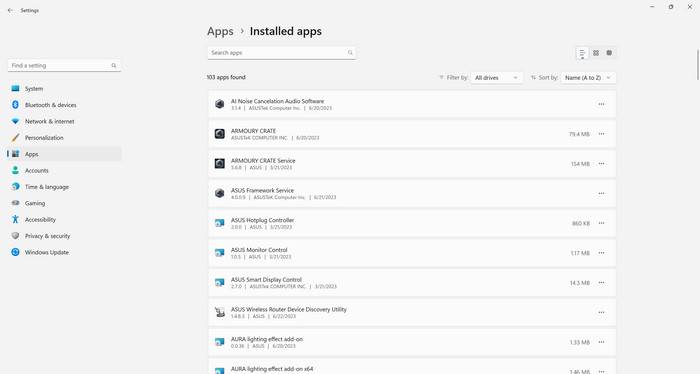
- Uninstall via Control Panel: On Windows, you can uninstall Canon My Printer by going to the Control Panel, selecting “Programs and Features” or “Add or Remove Programs,” locating Canon My Printer in the list of installed programs, and selecting “Uninstall.”
- Third-Party Uninstaller: Another option is to use a third-party uninstaller tool such as Revo Uninstaller Free. These tools offer advanced features that can help you completely remove any leftover files or registry entries associated with Canon My Printer.
When using a third-party uninstaller tool, it is important to follow the instructions provided by the software and proceed with caution to avoid accidentally removing any essential system files.
Conclusion
Canon My Printer is a software application designed to provide users with a convenient way to manage and control their Canon printers. It offers various features such as printer status monitoring, print settings adjustment, troubleshooting assistance, and driver updates. Whether you should remove Canon My Printer depends on your specific needs, usage frequency, and personal preference. If you decide to remove it, you can use the Control Panel or a third-party uninstaller tool like Revo Uninstaller Free. Ultimately, the choice is yours, and it is important to consider the impact on your printing experience and system resources.

Join the discussion
0 commentsShare your experience or ask a question about this article.
Discussion
Start the conversation
Have a question or something useful to share? Add the first comment.