

When it comes to computer maintenance and security, it’s important to understand the various processes and files that run on your system. One such file that you may come across is chksdk.exe. In this article, we will explore what chksdk.exe is, its purpose, and whether or not you should remove it from your computer.
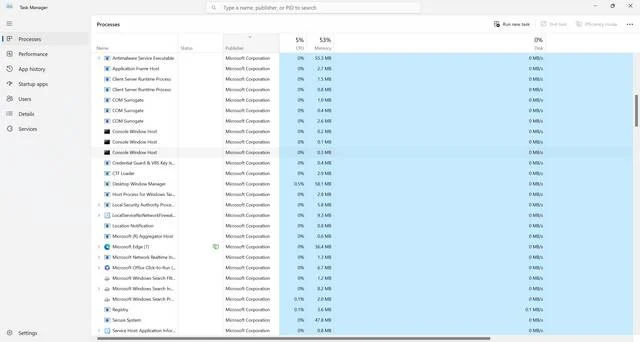
What is chksdk.exe?
Chksdk.exe is a legitimate Windows system file that is responsible for running the Check Disk utility. Check Disk, also known as chkdsk, is a built-in Windows tool that scans and repairs errors on your hard drive. It checks the file system integrity, fixes logical file system errors, and locates bad sectors on the disk.
Chkdsk is an essential tool for maintaining the health and performance of your computer’s storage. It helps prevent data corruption, file system errors, and other issues that can lead to system crashes or data loss.
Where is chksdk.exe located?
The chksdk.exe file is typically located in the System32 folder within the Windows directory. The full path is usually C:\Windows\System32\chksdk.exe. It is important to note that malware or viruses can sometimes disguise themselves as legitimate system files, so it’s crucial to verify the file’s location and authenticity.
Should I remove chksdk.exe?
No, you should not remove chksdk.exe from your computer. Chkdsk is a critical system tool that helps maintain the health and integrity of your hard drive. Removing or disabling it can lead to potential data loss, system instability, and other issues.
However, it is worth noting that if you encounter chksdk.exe running unexpectedly or consuming excessive system resources, it could be a sign of a problem. In such cases, it is recommended to run a scan with a reliable antivirus or anti-malware software to ensure that your system is not infected.
If you suspect malware or viruses on your system, it is highly recommended to use a reputable antivirus program like Malwarebytes Free to scan and remove any potential threats.
How to run chkdsk?
If you want to manually run chkdsk to check for errors on your hard drive, follow these steps:
- Open the Command Prompt by pressing the Windows key + R, typing “cmd,” and pressing Enter.
- In the Command Prompt window, type chkdsk followed by the drive letter you want to scan (e.g., chkdsk C:).
- Press Enter to start the scan.
- Depending on the size of your hard drive and the number of errors found, the scan may take some time to complete.
- Once the scan is finished, you will see a summary of the results.
It is important to note that running chkdsk requires administrative privileges. Therefore, make sure you run the Command Prompt as an administrator.
Common issues related to chksdk.exe
While chksdk.exe itself is not a cause for concern, there are a few common issues that users may encounter related to the Check Disk utility:
- Slow performance during chkdsk: Running chkdsk can be a resource-intensive process, especially if you have a large hard drive or a significant number of errors. This can temporarily slow down your computer’s performance.
- Stuck or frozen chkdsk: In some cases, chkdsk may appear to be stuck or frozen during the scanning process. This can happen if the utility encounters a particularly complex error or if there are hardware issues with your hard drive. If chkdsk remains stuck for an extended period, it may be necessary to restart your computer.
- False positives: Chkdsk may occasionally report false positives, indicating errors that do not actually exist. This can happen due to various factors, including software conflicts or temporary file system inconsistencies.
Summary
Chksdk.exe is a legitimate Windows system file that runs the Check Disk utility. It is responsible for scanning and repairing errors on your hard drive, ensuring the integrity of your file system, and preventing data loss. While it is not recommended to remove chksdk.exe, unexpected behavior or excessive resource usage may indicate a potential problem that requires further investigation.
If you suspect malware or viruses on your system, it is crucial to run a scan with a reliable antivirus or anti-malware software like Malwarebytes Free. Additionally, if you encounter issues with chkdsk, such as slow performance or freezing, it may be necessary to seek further assistance or consult with a professional to diagnose and resolve the underlying problem.
Remember, regular maintenance and proactive security measures are essential for keeping your computer running smoothly and protecting your valuable data.

Join the discussion
0 commentsShare your experience or ask a question about this article.
Discussion
Start the conversation
Have a question or something useful to share? Add the first comment.