
Cisco LEAP Module: What It Is & Should I Uninstall It?

When it comes to computer security, it’s important to stay informed about the various software and modules installed on your system. One such module that you may have come across is the Cisco LEAP Module. In this article, we will explore what the Cisco LEAP Module is, its purpose, and whether or not you should consider uninstalling it.
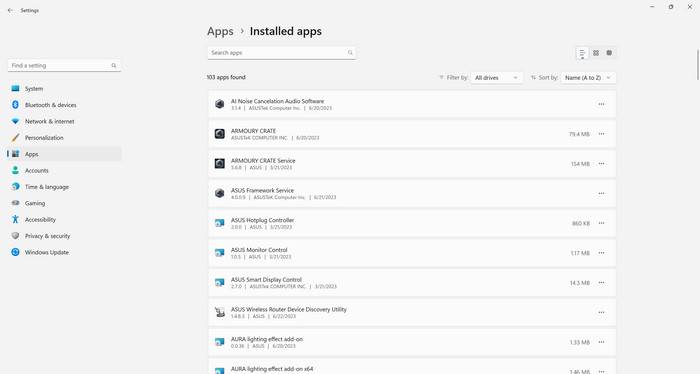
Uninstall Apps

What is the Cisco LEAP Module?

The Cisco LEAP Module is a software component developed by Cisco Systems, a leading provider of networking solutions. LEAP stands for Lightweight Extensible Authentication Protocol, and the module is designed to provide secure authentication for wireless networks.

LEAP was introduced as a proprietary protocol by Cisco in the late 1990s and was widely used in enterprise wireless networks. It aimed to address the security vulnerabilities of earlier wireless authentication methods, such as WEP (Wired Equivalent Privacy).

The Cisco LEAP Module works by using a username and password combination for authentication. It encrypts the authentication process to ensure that the credentials are securely transmitted over the network. This helps prevent unauthorized access to the wireless network and protects sensitive information.

Should I Uninstall the Cisco LEAP Module?

Now that we understand what the Cisco LEAP Module is, let’s discuss whether or not you should consider uninstalling it from your system.

1. Compatibility: The first factor to consider is compatibility. The Cisco LEAP Module is primarily used in enterprise environments and may not be necessary for home users or small businesses. If you are not using any Cisco networking equipment or accessing enterprise wireless networks, you may not need the module.

2. Security: While the Cisco LEAP Module was once considered a secure authentication method, it has since been found to have vulnerabilities. In fact, LEAP has been deprecated by Cisco in favor of more secure protocols like WPA2 (Wi-Fi Protected Access 2). If you are concerned about the security of your system, it may be wise to uninstall the module.

3. Performance: Another consideration is performance. Some users have reported that the Cisco LEAP Module can cause performance issues, such as slow network speeds or connectivity problems. If you are experiencing any such issues, uninstalling the module may help improve your system’s performance.

4. Alternative Authentication Methods: There are several alternative authentication methods available that are more secure and widely supported. These include WPA2, WPA3, and EAP-TLS (Extensible Authentication Protocol-Transport Layer Security). If your network supports these protocols, it may be worth considering them instead of relying on the Cisco LEAP Module.

5. Malware Concerns: Lastly, it’s important to consider the potential for malware or security breaches associated with the Cisco LEAP Module. While the module itself is not malicious, outdated or vulnerable software can be exploited by attackers. It’s always a good idea to regularly scan your system for malware using reputable antivirus software like Malwarebytes Free.

How to Uninstall the Cisco LEAP Module

If you have decided to uninstall the Cisco LEAP Module from your system, here are the steps to follow:

  1. Open the Control Panel on your Windows computer.
  2. Select “Programs” or “Programs and Features.”
  3. Locate the Cisco LEAP Module in the list of installed programs.
  4. Right-click on the Cisco LEAP Module and select “Uninstall.”
  5. Follow the on-screen prompts to complete the uninstallation process.

After uninstalling the Cisco LEAP Module, it’s a good idea to restart your computer to ensure that any remaining files or processes are properly removed.

Conclusion

The Cisco LEAP Module is a software component designed to provide secure authentication for wireless networks. However, due to its vulnerabilities, compatibility issues, and the availability of more secure alternatives, it may be worth considering uninstalling the module.

Before uninstalling, assess your specific needs, network environment, and security concerns. If you decide to proceed with the uninstallation, follow the steps outlined above and consider scanning your system for malware using Malwarebytes Free or another reputable antivirus software.

Remember, maintaining a secure and optimized system is crucial for protecting your data and ensuring a smooth computing experience.


10 Rules to Avoid Online Scams

Here are 10 practical safety rules to help you avoid malware, online shopping scams, crypto scams, and other online fraud. Each tip includes a quick “if you already got hit” action.

  1. Stop and verify before you click, log in, download, or pay.

    warning sign

    Most scams win by creating urgency. Verify using a trusted method: type the website address yourself, use the official app, or call a known number (not the one in the message).

    If you already clicked: close the page, do not enter passwords, and run a malware scan.

  2. Keep your operating system, browser, and apps updated.

    updates guide

    Updates patch security holes used by malware and malicious ads. Turn on automatic updates where possible.

    If you saw a scary “update now” pop-up: close it and update only through your device settings or the official app store.

  3. Use layered protection: antivirus plus an ad blocker.

    shield guide

    Antivirus helps block malware. An ad blocker reduces scam redirects, phishing pages, and malvertising.

    If your browser is acting weird: remove unknown extensions, reset the browser, then run a full scan.

  4. Install apps, software, and extensions only from official sources.

    install guide

    Avoid cracked software, “keygens,” and random downloads. During installs, choose Custom/Advanced and decline bundled offers you do not recognize.

    If you already installed something suspicious: uninstall it, restart, and scan again.

  5. Treat links and attachments as untrusted by default.

    cursor sign

    Phishing often impersonates delivery services, banks, and popular brands. If it is unexpected, do not open attachments or log in through the message.

    If you entered credentials: change the password immediately and enable 2FA.

  6. Shop safely: research the store, then pay with protection.

    trojan horse

    Be cautious with brand-new stores, “closing sale” stories, and prices that make no sense. Prefer credit cards or PayPal for dispute options. Avoid wire transfers, gift cards, and crypto payments.

    If you already paid: contact your card issuer or PayPal quickly to dispute the transaction.

  7. Crypto rule: never pay a “fee” to withdraw or recover money.

    lock sign

    Common patterns include fake profits, then “tax,” “gas,” or “verification” fees. Another is a “recovery agent” who demands upfront crypto.

    If you already sent crypto: stop paying, save evidence (wallet addresses, TXIDs, chats), and report the scam to the platform used.

  8. Secure your accounts with unique passwords and 2FA (start with email).

    lock sign

    Use a password manager and unique passwords for every account. Enable 2FA using an authenticator app when possible.

    If you suspect an account takeover: change passwords, sign out of all devices, and review recent logins and recovery settings.

  9. Back up important files and keep one backup offline.

    backup sign

    Backups protect you from ransomware and device failure. Keep at least one backup on an external drive that is not always connected.

    If you suspect infection: do not connect backup drives until the system is clean.

  10. If you think you are a victim: stop losses, document evidence, and escalate fast.

    warning sign

    Move quickly. Speed matters for disputes, account recovery, and limiting damage.

    • Stop payments and contact: do not send more money or respond to the scammer.
    • Call your bank or card issuer: block transactions, replace the card if needed, and start a dispute or chargeback.
    • Secure your email first: change the email password, enable 2FA, and remove unfamiliar recovery options.
    • Secure other accounts: change passwords, enable 2FA, and log out of all sessions.
    • Scan your device: remove suspicious apps or extensions, then run a full malware scan.
    • Save evidence: screenshots, emails, order pages, tracking pages, wallet addresses, TXIDs, and chat logs.
    • Report it: to the payment provider, marketplace, social platform, exchange, or wallet service involved.

These rules are intentionally simple. Most online losses happen when decisions are rushed. Slow down, verify independently, and use payment methods and account controls that give you recourse.





