

When you open the Windows Task Manager on your computer, you may come across a process called “compattelrunner.exe” running in the background. This mysterious process often raises questions and concerns among users, leading them to wonder what it is and whether it should be removed.
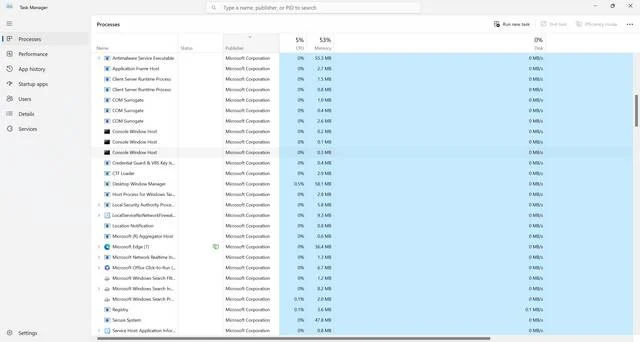
What is Compattelrunner.exe?
Compattelrunner.exe is an executable file that belongs to the Microsoft Compatibility Telemetry service. This service is designed to collect and send data about your computer’s performance and usage to Microsoft. The data collected includes information about hardware and software compatibility, system performance, and other metrics that help Microsoft improve their products and services.
The compattelrunner.exe process is responsible for running the Compatibility Telemetry service and gathering the necessary data. It is a legitimate Windows component and is typically located in the “C:\Windows\System32” folder.
Should I Be Concerned?
While compattelrunner.exe is a legitimate Windows process, its presence in the Task Manager can raise concerns for some users. Here are a few reasons why you might be concerned:
- High CPU or Disk Usage: In some cases, the compattelrunner.exe process may consume a significant amount of CPU or disk resources, causing your computer to slow down. This can be particularly frustrating if you’re trying to perform resource-intensive tasks.
- Privacy Concerns: The idea of Microsoft collecting data about your computer usage may raise privacy concerns for some users. If you’re uncomfortable with your data being sent to Microsoft, you may consider disabling or removing the Compatibility Telemetry service.
- False Positives: In rare cases, malware or viruses may disguise themselves as compattelrunner.exe to avoid detection. If you suspect that the process running on your computer is malicious, it’s essential to investigate further and take appropriate action.
How to Determine if Compattelrunner.exe is Legitimate
If you’re unsure whether the compattelrunner.exe process running on your computer is legitimate or not, you can follow these steps to verify its authenticity:
- Check the File Location: Open the Task Manager, right-click on the compattelrunner.exe process, and select “Open File Location.” If the file is located in the “C:\Windows\System32” folder, it is likely a legitimate Windows component. However, if it is located elsewhere, it may be a sign of malware.
- Scan for Malware: To rule out any malware or viruses, it’s always a good idea to perform a thorough scan of your system. We recommend using Malwarebytes Free, a trusted and reliable anti-malware software.
- Monitor Resource Usage: Keep an eye on the CPU and disk usage of the compattelrunner.exe process. If it consistently consumes a significant amount of resources, it may be worth investigating further or considering disabling the Compatibility Telemetry service.
Disabling or Removing Compattelrunner.exe
If you’ve determined that the compattelrunner.exe process is causing performance issues or privacy concerns, you have a few options:
- Disable the Compatibility Telemetry Service: You can disable the Compatibility Telemetry service to prevent compattelrunner.exe from running. To do this, open the Services application by pressing Windows + R, typing “services.msc,” and pressing Enter. Locate the “Connected User Experiences and Telemetry” service, right-click on it, and select “Properties.” Change the startup type to “Disabled” and click “Apply” to save the changes.
- Remove the Compattelrunner.exe File: If you’re confident that the compattelrunner.exe file on your computer is malicious, you can remove it manually. However, exercise caution when deleting files, as removing essential system files can cause stability issues. It’s always recommended to consult with a professional or use reputable anti-malware software.
Summary
Compattelrunner.exe is a legitimate Windows process associated with the Microsoft Compatibility Telemetry service. While its presence in the Task Manager may raise concerns for some users, it is generally harmless and serves the purpose of collecting data to improve Microsoft’s products and services.
If you experience performance issues or have privacy concerns, you can disable the Compatibility Telemetry service or remove the compattelrunner.exe file. However, it’s crucial to exercise caution and ensure that you’re not deleting essential system files or falling victim to malware.
Remember, if you suspect malware or viruses, it’s always a good idea to perform a thorough scan of your system using Malwarebytes Free or consult with a professional for assistance.

Join the discussion
0 commentsShare your experience or ask a question about this article.
Discussion
Start the conversation
Have a question or something useful to share? Add the first comment.