

Scams have become increasingly sophisticated in the digital age, with cybercriminals constantly devising new methods to deceive unsuspecting individuals. One such scam that has gained prominence in recent years is the ‘Confidential Image’ email phishing scam. This article aims to provide a comprehensive overview of this scam, including what it is, how it works, what to do if you have fallen victim, technical details, and relevant statistics.
What is the ‘Confidential Image’ Email Phishing Scam?
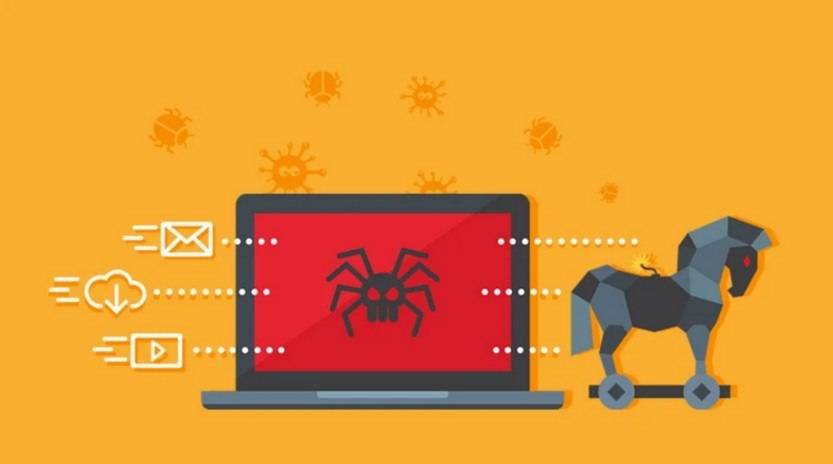
The ‘Confidential Image’ email phishing scam is a type of cyber attack where scammers attempt to trick individuals into revealing sensitive information or downloading malware by sending them an email that appears to contain a confidential image or document. The email typically includes a message that urges the recipient to open the attachment or click on a link to view the image or document.
These emails often appear to come from a trusted source, such as a colleague, friend, or even a legitimate organization. The scammers employ various tactics to make the email seem genuine, including using official logos, email signatures, and language that mimics professional communication.
How Does the Scam Work?
When a recipient falls for the scam and opens the attachment or clicks on the link, they are directed to a malicious website or prompted to download a file. This website or file may contain malware, such as keyloggers or ransomware, which can compromise the victim’s computer or steal sensitive information.
Alternatively, the website may appear to be a legitimate login page for a popular service, such as an email provider or social media platform. If the victim enters their login credentials on this fake page, the scammers can capture their username and password, allowing them to gain unauthorized access to the victim’s accounts.
Example:
Let’s consider an example to illustrate how the ‘Confidential Image’ email phishing scam works:
- The victim receives an email from what appears to be their coworker, John, with the subject line “Confidential Image – Urgent.”
- The email body contains a message from John, stating that he needs the recipient’s opinion on an important image for an upcoming presentation.
- The email includes an attachment named “image.zip” and urges the recipient to open it to view the image.
- If the recipient falls for the scam and opens the attachment, it may contain malware that infects their computer.
- The malware can then steal sensitive information, such as login credentials or personal data, and send it to the scammers.
What to Do If You Have Fallen Victim?
If you have fallen victim to the ‘Confidential Image’ email phishing scam, it is crucial to take immediate action to minimize the potential damage:
- Disconnect from the internet: If you suspect that your computer has been compromised, disconnect from the internet to prevent further communication between your device and the scammers.
- Scan for malware: Run a thorough scan of your computer using reliable antivirus software, such as Malwarebytes Free, to detect and remove any malicious programs.
- Change passwords: Change the passwords for all your online accounts, especially those associated with sensitive information, such as banking or email accounts.
- Monitor accounts: Keep a close eye on your financial and online accounts for any suspicious activity. Report any unauthorized transactions or changes immediately.
- Inform others: If the scam originated from your email account, notify your contacts about the incident to prevent further spread of the scam.
Technical Details of the Scam
The ‘Confidential Image’ email phishing scam often utilizes various techniques to deceive recipients and evade detection:
- Spoofed email addresses: Scammers may use techniques to make the email appear as if it is coming from a legitimate source, such as using a similar domain name or manipulating the email headers.
- Malicious attachments: The scam emails often contain attachments, such as ZIP files, that house malware. These files may be disguised as image files or documents to trick recipients into opening them.
- Phishing websites: The links provided in the emails may direct victims to fake websites that closely resemble legitimate login pages. These websites are designed to capture login credentials and other sensitive information.
- Social engineering: The scammers employ psychological manipulation techniques to create a sense of urgency or importance, compelling recipients to act without thinking critically.
Statistics on Email Phishing Scams
Email phishing scams, including the ‘Confidential Image’ scam, continue to be a significant threat in the digital landscape. Here are some statistics that highlight the prevalence and impact of these scams:
- In 2020, the FBI’s Internet Crime Complaint Center (IC3) received over 241,000 complaints related to phishing scams, resulting in losses exceeding $54 million.
- According to a report by Verizon, 94% of malware was delivered via email in 2019, with phishing being the most common method of delivery.
- A study by Proofpoint found that 88% of organizations worldwide experienced spear-phishing attempts in 2019.
- Phishing attacks have become increasingly sophisticated, with 65% of organizations reporting that they experienced successful phishing attacks in 2020, according to a report by Mimecast.
Summary
The ‘Confidential Image’ email phishing scam is a deceptive cyber attack that aims to trick individuals into revealing sensitive information or downloading malware. By disguising the scam as an email containing a confidential image or document, scammers exploit human curiosity and trust. It is crucial to remain vigilant and cautious when receiving such emails, as falling victim to the scam can have severe consequences.
If you suspect that you have fallen victim to the ‘Confidential Image’ scam, take immediate action by disconnecting from the internet, scanning for malware using reliable antivirus software like

Join the discussion
0 commentsShare your experience or ask a question about this article.
Discussion
Start the conversation
Have a question or something useful to share? Add the first comment.