

Scammers are constantly evolving their tactics to deceive unsuspecting individuals and gain access to their personal information or financial resources. One such scam that has been on the rise is the “Confirmation Letter Enclosed” malware email scam. This article aims to provide a comprehensive overview of this scam, including what it is, how it works, what to do if you have fallen victim, technical details, and relevant statistics.
What is the “Confirmation Letter Enclosed” Malware Email Scam?
The “Confirmation Letter Enclosed” malware email scam is a type of phishing attack that aims to trick recipients into opening an attachment or clicking on a link that contains malware. The scam typically involves an email that appears to be from a reputable organization, such as a bank, government agency, or well-known company. The email often includes a subject line that suggests the recipient needs to confirm a transaction, update their account information, or take some urgent action.
These emails are carefully crafted to appear legitimate, often using official logos, email signatures, and language that mimics the organization’s communication style. The scammers rely on the recipient’s trust in the organization and their curiosity or concern about the supposed transaction or account issue to entice them into taking the desired action.
How Does the Scam Work?
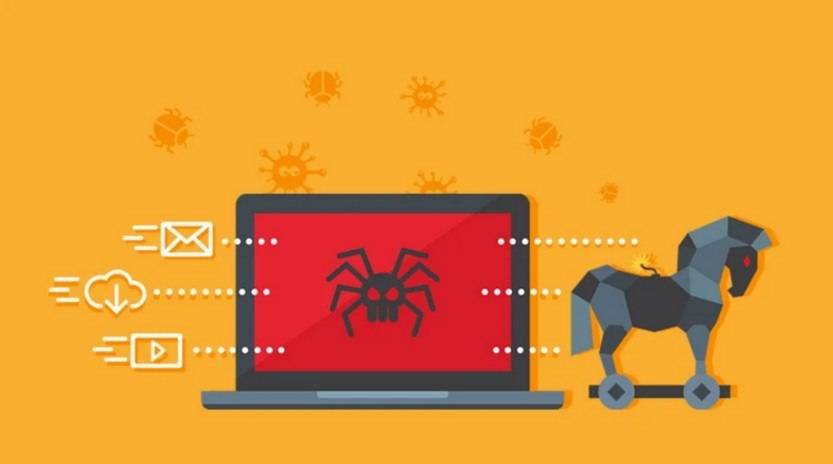
When a recipient falls for the scam and opens the attachment or clicks on the link, they unknowingly download malware onto their device. This malware can take various forms, such as keyloggers, ransomware, or remote access trojans (RATs). Once installed, the malware can collect sensitive information, such as login credentials, credit card details, or personal identification information, and send it back to the scammers.
The scammers can then use this information for various malicious purposes, including identity theft, financial fraud, or selling the data on the dark web. In some cases, the malware may also give the scammers remote access to the victim’s device, allowing them to carry out further attacks or use the device as part of a botnet.
What to Do If You Have Fallen Victim?
Discovering that you have fallen victim to the “Confirmation Letter Enclosed” malware email scam can be distressing, but it is important to take immediate action to minimize the potential damage. Here are the steps you should follow:
- Disconnect from the internet: As soon as you suspect that your device has been compromised, disconnect it from the internet to prevent further communication between the malware and the scammers.
- Scan your device for malware: Run a thorough scan of your device using reputable antivirus software, such as Malwarebytes Free, to detect and remove any malware.
- Change your passwords: Change the passwords for all your online accounts, especially those related to banking, email, and social media. Use strong, unique passwords for each account and consider enabling two-factor authentication for added security.
- Monitor your accounts: Keep a close eye on your financial accounts, credit reports, and any other platforms that may have been compromised. Report any suspicious activity to the respective organizations and consider placing a fraud alert or credit freeze on your credit reports.
- Educate yourself: Learn from the experience and educate yourself about common phishing scams and how to identify them. Be cautious when opening emails or clicking on links, especially if they come from unknown senders or contain suspicious content.
Technical Details of the Scam
The “Confirmation Letter Enclosed” malware email scam often utilizes various techniques to deceive recipients and bypass security measures. Here are some technical details of the scam:
- Email spoofing: Scammers often spoof the email address of a legitimate organization to make the email appear genuine. They may also use domain names that closely resemble the legitimate organization’s domain.
- Malicious attachments: The scam emails often contain attachments, such as PDFs or Word documents, that are designed to exploit vulnerabilities in software or trick the recipient into enabling macros, which then download the malware.
- Malicious links: Scammers may also include links in the emails that direct recipients to fake websites or download the malware directly onto their devices.
- Social engineering: The scammers use psychological manipulation techniques to create a sense of urgency, curiosity, or fear in the recipient, increasing the likelihood of them falling for the scam.
Statistics on Malware Email Scams
The “Confirmation Letter Enclosed” malware email scam is just one example of the numerous malware email scams that individuals and organizations face on a daily basis. Here are some statistics that highlight the prevalence and impact of these scams:
- According to a report by Symantec, email is the most common method used by cybercriminals to deliver malware, accounting for 94% of all malware delivery mechanisms.
- In 2020, the FBI’s Internet Crime Complaint Center (IC3) received over 19,000 complaints related to phishing scams, resulting in losses of over $54 million.
- A study by Verizon found that 30% of phishing emails are opened by the targeted individuals, and 12% of those targeted individuals click on the malicious attachment or link.
Summary
The “Confirmation Letter Enclosed” malware email scam is a sophisticated phishing attack that aims to deceive recipients into downloading malware onto their devices. By appearing as a legitimate organization and creating a sense of urgency or concern, scammers trick individuals into taking actions that compromise their personal information or financial resources.
If you suspect that you have fallen victim to this scam, it is crucial to disconnect from the internet, scan your device for malware using reputable antivirus software like Malwarebytes Free, change your passwords, monitor your accounts, and educate yourself about phishing scams to prevent future incidents.
Remember, staying vigilant and being cautious when interacting with emails and online content can go a long way in protecting yourself from these types of scams.

Join the discussion
0 commentsShare your experience or ask a question about this article.
Discussion
Start the conversation
Have a question or something useful to share? Add the first comment.