

When purchasing a new computer, it is common for manufacturers to offer additional services and warranties to provide peace of mind to consumers. Dell, one of the leading computer manufacturers, offers a Consumer In-Home Service Agreement as part of their support offerings. In this article, we will explore what the Dell Consumer In-Home Service Agreement entails, its benefits, and whether or not you should remove it from your computer.
What is the Dell Consumer In-Home Service Agreement?
The Dell Consumer In-Home Service Agreement is a service provided by Dell to customers who purchase their computers. It is an extended warranty that covers in-home support for hardware issues that may arise during the warranty period. This means that if you encounter any hardware problems with your Dell computer, a technician will come to your home to diagnose and repair the issue.
The service agreement typically covers a range of hardware issues, including problems with the motherboard, hard drive, memory, and other internal components. It also includes support for software-related issues, such as operating system errors and driver conflicts.
Benefits of the Dell Consumer In-Home Service Agreement
There are several benefits to having the Dell Consumer In-Home Service Agreement:
- Convenience: One of the main advantages of this service agreement is the convenience it offers. Instead of having to bring your computer to a service center or ship it back to Dell for repairs, a technician will come to your home to fix the issue. This saves you time and effort.
- Expertise: Dell technicians are trained professionals who have extensive knowledge of Dell computers. They have access to the necessary tools and resources to diagnose and repair hardware and software issues effectively.
- Peace of mind: Knowing that you have in-home support for your Dell computer can provide peace of mind. If something goes wrong, you can rely on Dell to send a technician to your home and resolve the issue promptly.
- Extended warranty: The Consumer In-Home Service Agreement extends the warranty period for your Dell computer, providing additional coverage beyond the standard warranty. This can be particularly beneficial if you plan to keep your computer for an extended period.
Should I Remove the Dell Consumer In-Home Service Agreement?
While the Dell Consumer In-Home Service Agreement offers several benefits, whether or not you should remove it depends on your specific needs and circumstances. Here are a few factors to consider:
Cost:
The service agreement comes at an additional cost, which varies depending on the length of coverage and the type of computer you purchase. If you are on a tight budget or prefer not to spend extra money on extended warranties, removing the service agreement may be a viable option.
Technical expertise:
If you are comfortable troubleshooting and fixing computer issues on your own, you may not need the in-home support provided by the service agreement. However, it is important to note that opening up your computer or attempting repairs without proper knowledge can void your warranty.
Usage and longevity:
If you use your Dell computer extensively for critical tasks or plan to keep it for a long time, the service agreement can provide valuable support and peace of mind. The extended warranty and in-home service can be particularly beneficial if you rely heavily on your computer for work or personal use.
Conclusion
The Dell Consumer In-Home Service Agreement offers convenience, expertise, and peace of mind to Dell computer owners. It provides in-home support for hardware and software issues, extending the warranty period and ensuring prompt resolution of problems. Whether or not you should remove the service agreement depends on factors such as cost, technical expertise, and usage patterns. Assess your needs and preferences to make an informed decision.
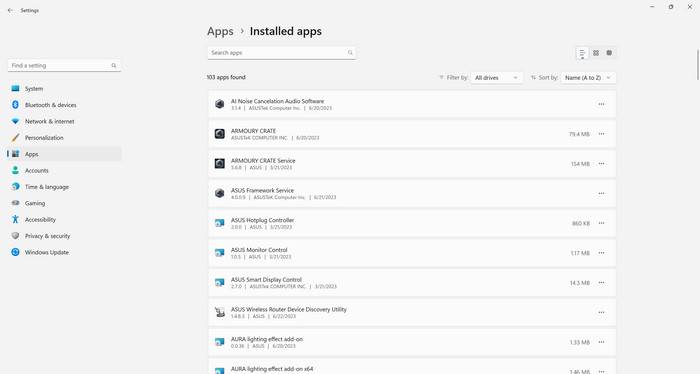
If you decide to remove the Dell Consumer In-Home Service Agreement, it is important to note that uninstalling software can sometimes leave behind residual files and registry entries. To ensure a thorough removal, consider using a reliable uninstall tool like Revo Uninstaller Free. This tool can help you uninstall the service agreement and clean up any leftover traces, ensuring a complete removal.

Join the discussion
0 commentsShare your experience or ask a question about this article.
Discussion
Start the conversation
Have a question or something useful to share? Add the first comment.