

CyberLink PowerDirector 10 is a popular video editing software that offers a wide range of features and capabilities for both amateur and professional video editors. However, like any software, it is important to evaluate whether it is still relevant and necessary for your needs. In this article, we will explore what CyberLink PowerDirector 10 is, its key features, and whether you should consider uninstalling it.
What is CyberLink PowerDirector 10?
CyberLink PowerDirector 10 is a video editing software developed by CyberLink Corp. It is part of the PowerDirector series, which has been widely recognized for its user-friendly interface and powerful editing capabilities. PowerDirector 10 was released in 2011 and quickly gained popularity among video enthusiasts and professionals.
With PowerDirector 10, users can edit videos, add special effects, create transitions, and produce high-quality videos for various purposes such as social media, presentations, and personal projects. It offers a range of advanced features, including multi-camera editing, motion tracking, and 3D editing, making it a versatile tool for video editing.
Key Features of CyberLink PowerDirector 10
CyberLink PowerDirector 10 comes with a plethora of features that cater to the needs of both beginners and advanced users. Some of its key features include:
- Intuitive User Interface: PowerDirector 10 offers a user-friendly interface that allows users to easily navigate through the software and access various editing tools.
- Multi-Camera Editing: This feature enables users to synchronize and edit footage from multiple cameras, making it ideal for projects that involve multiple angles.
- Motion Tracking: PowerDirector 10 allows users to track and add effects to moving objects in their videos, enhancing the overall visual appeal.
- 3D Editing: With PowerDirector 10, users can create and edit 3D videos, adding depth and dimension to their projects.
- Advanced Effects and Transitions: The software offers a wide range of effects and transitions that users can apply to their videos, allowing for creative and professional-looking edits.
- Audio Editing: PowerDirector 10 provides tools for editing and enhancing audio tracks, ensuring high-quality sound in videos.
Should I Uninstall CyberLink PowerDirector 10?
Deciding whether to uninstall CyberLink PowerDirector 10 depends on several factors. Here are a few considerations to help you make an informed decision:
1. Usage Frequency
If you find yourself rarely using PowerDirector 10 or have switched to other video editing software, it may be worth considering uninstalling it. Removing unused software can free up valuable storage space on your computer and improve overall system performance.
2. Compatibility and Updates
As PowerDirector 10 was released in 2011, it may not be compatible with the latest operating systems or hardware configurations. If you are experiencing compatibility issues or are unable to receive updates for the software, it might be a good idea to uninstall it and explore newer alternatives.
3. Security Concerns
Outdated software can pose security risks as they may contain vulnerabilities that can be exploited by cybercriminals. If you are concerned about the security of your system, it is recommended to uninstall outdated software, including PowerDirector 10, and replace it with more up-to-date alternatives.
4. Performance and Resource Usage
If you notice that PowerDirector 10 is causing your computer to slow down or consume excessive system resources, it may be worth uninstalling it. Video editing software can be resource-intensive, and if you have limited system specifications, it might be beneficial to switch to a lighter alternative.
How to Uninstall CyberLink PowerDirector 10
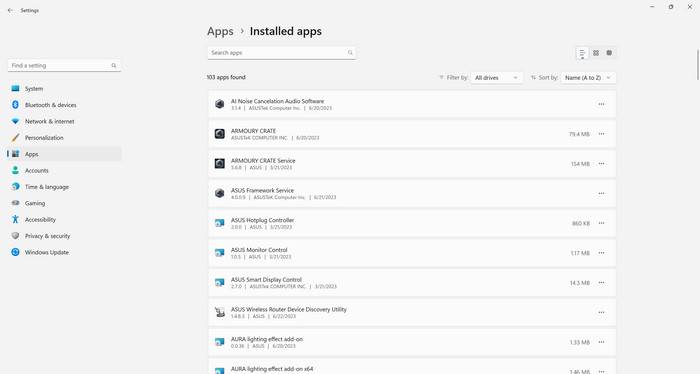
If you have decided to uninstall CyberLink PowerDirector 10, here are the steps to follow:
- Open the Control Panel on your computer.
- Select “Uninstall a program” or “Programs and Features.”
- Locate CyberLink PowerDirector 10 in the list of installed programs.
- Right-click on PowerDirector 10 and select “Uninstall.”
- Follow the on-screen prompts to complete the uninstallation process.
After uninstalling PowerDirector 10, it is recommended to scan your computer for any potential malware or leftover files using a reliable antivirus or anti-malware software. Malwarebytes Free is a trusted tool that can help detect and remove any malicious files that may have been associated with the software. You can download Malwarebytes Free from their official website and run a scan to ensure your system is clean and secure. Malwarebytes Free.
Conclusion
CyberLink PowerDirector 10 is a powerful video editing software that offers a range of features and capabilities. However, whether you should uninstall it depends on your specific needs and circumstances. If you rarely use the software, experience compatibility issues, have security concerns, or notice performance issues, it may be worth considering uninstalling PowerDirector 10. Remember to scan your computer for malware after uninstallation to ensure your system remains secure. Ultimately, the decision to uninstall PowerDirector 10 should be based on your individual requirements and preferences.

Join the discussion
0 commentsShare your experience or ask a question about this article.
Discussion
Start the conversation
Have a question or something useful to share? Add the first comment.