

When it comes to protecting your valuable data, having a reliable backup solution is crucial. Dell DataSafe Local Backup is a software program that comes pre-installed on many Dell computers and is designed to help users create backups of their important files and folders. In this article, we will explore what Dell DataSafe Local Backup is, how it works, and whether or not you should consider removing it from your system.
What is Dell DataSafe Local Backup?
Dell DataSafe Local Backup is a software program developed by Dell that provides users with a simple and convenient way to create backups of their important files and folders. It allows users to schedule automatic backups, choose specific files and folders to back up, and restore their data in the event of a system failure or data loss.
The program creates backups in a proprietary format known as “Dell DSR (Dell System Restore) format,” which is essentially a compressed image of the selected files and folders. This format allows for efficient storage and quick restoration of data when needed.
How Does Dell DataSafe Local Backup Work?
Dell DataSafe Local Backup works by creating a snapshot of the selected files and folders on your computer and storing them in a secure location. The program uses incremental backup technology, which means that after the initial backup, it only backs up the changes made to the files and folders since the last backup.
Users can choose to back up their entire system or select specific files and folders to include in the backup. The program also offers the option to schedule automatic backups at regular intervals, ensuring that your data is always up to date.
In the event of a system failure or data loss, users can easily restore their data using the Dell DataSafe Local Backup program. The program allows for selective restoration, meaning that users can choose which files and folders they want to restore, rather than restoring the entire backup.
Should I Remove Dell DataSafe Local Backup?
Whether or not you should remove Dell DataSafe Local Backup from your system depends on your specific needs and preferences. Here are a few factors to consider:
1. Backup Needs
If you already have a reliable backup solution in place that meets your needs, you may not need to keep Dell DataSafe Local Backup installed. However, if you don’t have a backup solution or are looking for an additional layer of protection, keeping the program installed can be beneficial.
2. Disk Space
Dell DataSafe Local Backup requires a certain amount of disk space to store the backups. If you are running low on disk space or prefer to use that space for other purposes, you may consider removing the program.
3. Performance Impact
Some users have reported that Dell DataSafe Local Backup can have a slight impact on system performance, especially during the backup process. If you notice a significant slowdown in your computer’s performance, removing the program may help improve overall system speed.
4. Alternative Backup Solutions
There are numerous backup solutions available in the market, both free and paid, that offer similar or even more advanced features compared to Dell DataSafe Local Backup. If you find a backup solution that better suits your needs, you may choose to remove Dell DataSafe Local Backup and replace it with the alternative.
How to Remove Dell DataSafe Local Backup?
If you have decided to remove Dell DataSafe Local Backup from your system, there are a few methods you can use:
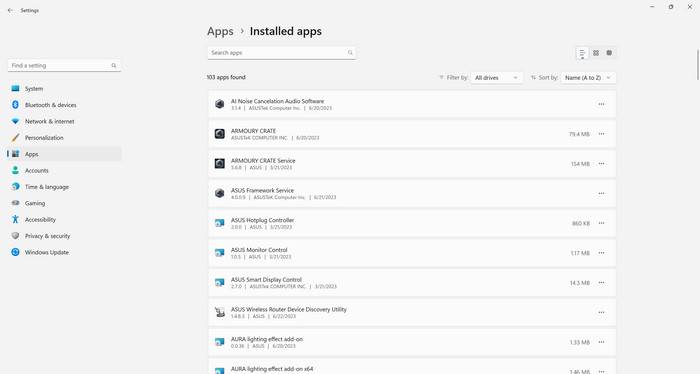
- Uninstall via Control Panel: You can uninstall Dell DataSafe Local Backup like any other program through the Control Panel. Simply navigate to “Programs and Features” or “Add or Remove Programs” (depending on your Windows version), locate Dell DataSafe Local Backup in the list of installed programs, and click on “Uninstall.”
- Using Uninstall Tools: Uninstall tools like Revo Uninstaller Free can help you remove Dell DataSafe Local Backup completely, including any leftover files and registry entries.
It is important to note that removing Dell DataSafe Local Backup will delete all the backups created using the program. Therefore, if you decide to remove the program, make sure you have an alternative backup solution in place to avoid any data loss.
Conclusion
Dell DataSafe Local Backup is a useful software program that provides users with a convenient way to create backups of their important files and folders. Whether or not you should remove it depends on your specific backup needs, available disk space, and system performance. If you decide to remove Dell DataSafe Local Backup, make sure to have an alternative backup solution in place to ensure the safety of your data.
Remember, having a reliable backup solution is essential for protecting your valuable data, so choose the option that best suits your needs and preferences.

Join the discussion
0 commentsShare your experience or ask a question about this article.
Discussion
Start the conversation
Have a question or something useful to share? Add the first comment.