

Scammers are constantly finding new ways to deceive unsuspecting individuals and steal their personal information or money. One such method is through the use of malware emails, with the DHL ‘We Have A Problem With Your Package’ scam being a prominent example. In this article, we will delve into the details of this scam, how it works, what to do if you have fallen victim, and provide valuable insights to help you stay safe online.
What is the DHL ‘We Have A Problem With Your Package’ Malware Email?
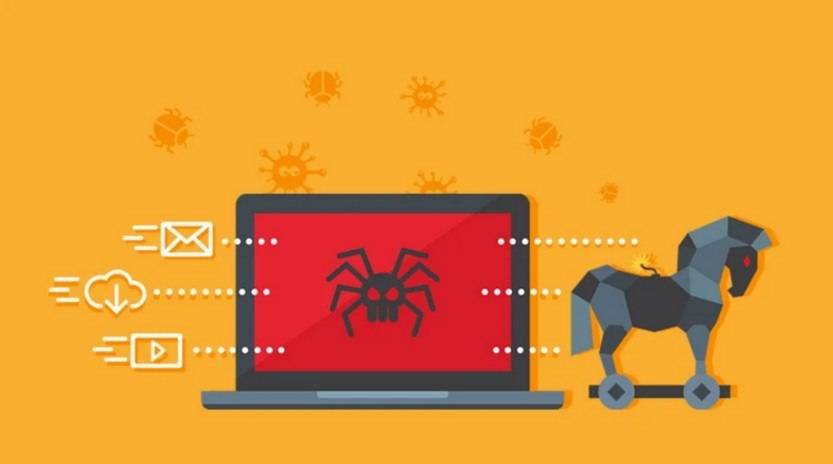
The DHL ‘We Have A Problem With Your Package’ malware email is a phishing scam that targets individuals who are expecting a package delivery from DHL. The scammers send out emails that appear to be from DHL, informing the recipient that there is an issue with their package and they need to take immediate action to resolve it. The email typically includes a link or attachment that, when clicked or opened, installs malware on the victim’s device.
How Does the Scam Work?
The DHL ‘We Have A Problem With Your Package’ scam works by exploiting the trust individuals have in legitimate shipping companies like DHL. The scammers send out emails that mimic the appearance of genuine DHL emails, complete with the company’s logo and branding. The email usually contains a subject line that grabs the recipient’s attention, such as “Urgent: Issue with your DHL package.”
When the recipient opens the email, they are presented with a message that states there is a problem with their package and they need to take immediate action. The email often includes a sense of urgency, pressuring the recipient to act quickly. It may claim that the package is being held at a DHL facility or that additional fees are required for delivery.
To resolve the supposed issue, the email instructs the recipient to click on a link or download an attachment. This is where the malware is introduced to the victim’s device. Once the malware is installed, it can perform various malicious activities, such as stealing personal information, logging keystrokes, or encrypting files for ransom.
What to Do If You Have Fallen Victim?
If you have fallen victim to the DHL ‘We Have A Problem With Your Package’ malware email scam, it is important to take immediate action to minimize the damage. Here are the steps you should follow:
- Disconnect from the internet: As soon as you realize you have been scammed, disconnect your device from the internet to prevent further communication between the malware and the attacker’s server.
- Scan your device for malware: Run a thorough scan of your device using reliable antivirus software. We recommend using Malwarebytes Free, a trusted and effective tool for detecting and removing malware.
- Change your passwords: Change the passwords for all your online accounts, especially those related to banking, email, and social media. This will help prevent unauthorized access to your accounts.
- Monitor your accounts: Keep a close eye on your financial accounts and monitor them for any suspicious activity. Report any unauthorized transactions to your bank or credit card company immediately.
- Inform DHL: Contact DHL and inform them about the scam email you received. They may be able to provide guidance and take necessary actions to prevent further scams.
- Stay vigilant: Learn from the experience and be cautious of similar scams in the future. Be skeptical of unsolicited emails, especially those that ask for personal information or require immediate action.
Technical Details of the DHL ‘We Have A Problem With Your Package’ Malware Email
The DHL ‘We Have A Problem With Your Package’ malware email typically uses social engineering techniques to trick recipients into clicking on malicious links or downloading infected attachments. The malware can be delivered through various methods, including:
- Email attachments: The email may contain an attachment, such as a PDF or Word document, that is infected with malware. When the attachment is opened, the malware is executed.
- Malicious links: The email may include a link that directs the recipient to a fake website or downloads a file containing the malware. These links often appear legitimate but lead to malicious destinations.
- Exploiting software vulnerabilities: The malware may exploit vulnerabilities in software installed on the victim’s device, such as outdated operating systems or web browsers, to gain unauthorized access.
Once the malware is installed, it can perform various malicious activities, including:
- Stealing personal information: The malware may collect sensitive information, such as login credentials, credit card details, or social security numbers, and send them to the attacker.
- Logging keystrokes: The malware can record keystrokes to capture passwords, usernames, and other sensitive information entered by the victim.
- Encrypting files: Some malware encrypts the victim’s files and demands a ransom for their release. This is known as ransomware.
Statistics on Malware Emails and Phishing Scams
Malware emails and phishing scams continue to be a significant threat to individuals and organizations worldwide. Here are some statistics that highlight the scale of the problem:
- According to a report by Verizon, 94% of malware is delivered via email.
- The Anti-Phishing Working Group (APWG) reported a 22% increase in phishing attacks in 2020 compared to the previous year.
- In 2020, Google’s Threat Analysis Group (TAG) identified over 40,000 government-backed phishing attacks targeting various sectors, including healthcare, finance, and education.
- A study by Symantec found that 1 in 412 emails contained malware in 2020.
Summary
The DHL ‘We Have A Problem With Your Package’ malware email is a phishing scam that preys on individuals expecting a package delivery from DHL. The scammers send out emails that mimic the appearance of genuine DHL emails, tricking recipients into clicking on malicious links or downloading infected attachments. Once the malware is installed, it can steal personal information, log keystrokes, or encrypt files for ransom.</

Join the discussion
0 commentsShare your experience or ask a question about this article.
Discussion
Start the conversation
Have a question or something useful to share? Add the first comment.