

When it comes to computer processes and files, it’s important to understand what they are and whether they are necessary for the smooth functioning of your system. One such file that often raises questions is dism.exe. In this article, we will delve into the details of dism.exe, its purpose, and whether you should remove it from your system.
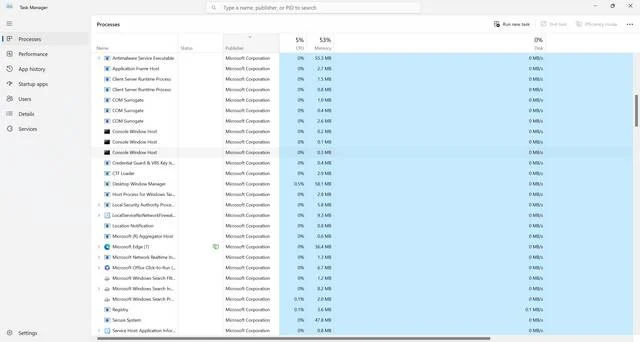
What is dism.exe?
Dism.exe, short for Deployment Image Servicing and Management, is a command-line tool included in the Windows operating system. It is primarily used for servicing and managing Windows images, including the operating system itself, Windows Recovery Environment, and Windows Preinstallation Environment.
Dism.exe is an essential component of the Windows operating system and is responsible for tasks such as adding or removing Windows features, repairing corrupted system files, and preparing images for deployment. It is commonly used by system administrators and advanced users for system maintenance and troubleshooting purposes.
Should I remove dism.exe?
As mentioned earlier, dism.exe is a critical component of the Windows operating system. Removing it can have serious consequences for the stability and functionality of your system. It is not recommended to remove dism.exe unless you have a specific reason and are well-versed in system administration.
If you suspect that dism.exe is causing issues on your system, it is advisable to investigate the underlying problem rather than removing the file itself. Dism.exe is rarely the cause of system issues, and removing it may lead to further complications.
How to determine if dism.exe is legitimate?
While dism.exe is an essential system file, it is important to ensure that the file running on your system is legitimate and not a malware or virus masquerading as dism.exe. Here are a few steps you can take to verify the legitimacy of dism.exe:
- Check the file location: The legitimate dism.exe file is typically located in the “C:WindowsSystem32” folder. If you find dism.exe in any other location, it may be a sign of malware.
- Scan for viruses and malware: Running a scan with a reliable antivirus software, such as Malwarebytes Free, can help detect and remove any malicious files.
- Verify the digital signature: Right-click on the dism.exe file, go to Properties, and navigate to the Digital Signatures tab. Check if the digital signature is valid and issued by Microsoft Corporation.
By following these steps, you can ensure that the dism.exe file on your system is legitimate and not a potential threat.
Common issues related to dism.exe
While dism.exe is generally a reliable and essential system file, there are a few common issues that users may encounter. Understanding these issues can help you troubleshoot and resolve any problems related to dism.exe:
- High CPU or memory usage: In some cases, dism.exe may consume a significant amount of CPU or memory resources. This can be due to ongoing system maintenance tasks or corrupted system files. Running a system scan and repairing any detected issues can help resolve this problem.
- Error messages: If you receive error messages related to dism.exe, it may indicate a problem with the Windows image or system files. Running the System File Checker (SFC) tool or using the DISM command with the /RestoreHealth parameter can help fix these errors.
- Compatibility issues: When updating or installing Windows features, dism.exe may encounter compatibility issues with certain software or drivers. In such cases, it is recommended to update the software or driver to the latest version or seek assistance from the software vendor.
By addressing these common issues, you can ensure that dism.exe functions properly and does not cause any disruptions to your system.
Conclusion
Dism.exe, or Deployment Image Servicing and Management, is an essential component of the Windows operating system. It is responsible for servicing and managing Windows images, adding or removing features, and repairing corrupted system files. Removing dism.exe is not recommended unless you have a specific reason and are well-versed in system administration.
To ensure the legitimacy of dism.exe, check its file location, scan for viruses and malware using reliable software like Malwarebytes Free, and verify the digital signature. If you encounter any issues related to dism.exe, such as high CPU or memory usage or error messages, perform system scans, use the System File Checker tool, or update software and drivers to resolve the problems.
By understanding the role of dism.exe and addressing any issues that may arise, you can maintain a stable and well-functioning Windows system.

Join the discussion
0 commentsShare your experience or ask a question about this article.
Discussion
Start the conversation
Have a question or something useful to share? Add the first comment.