

Clarks has become one of the most popular footwear brands worldwide for comfort shoes, boots, and sandals. However, Clarks’ global recognition has led to many elaborate fake e-commerce websites impersonating the company to scam customers.
This article will provide an in-depth look at how these fraudulent Clarks websites operate, common tactics they use, how to detect these scams, and steps to take if you are victimized to limit the damage.
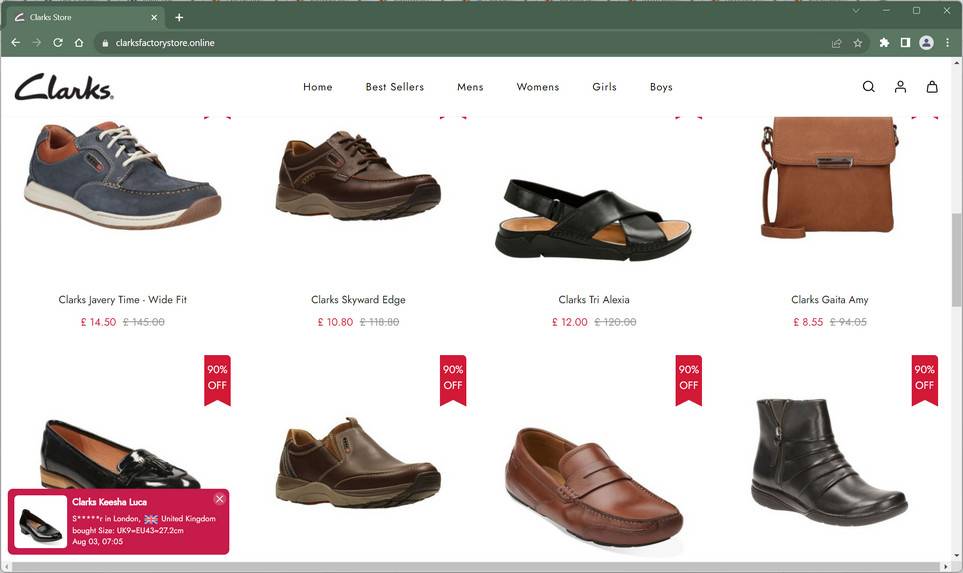
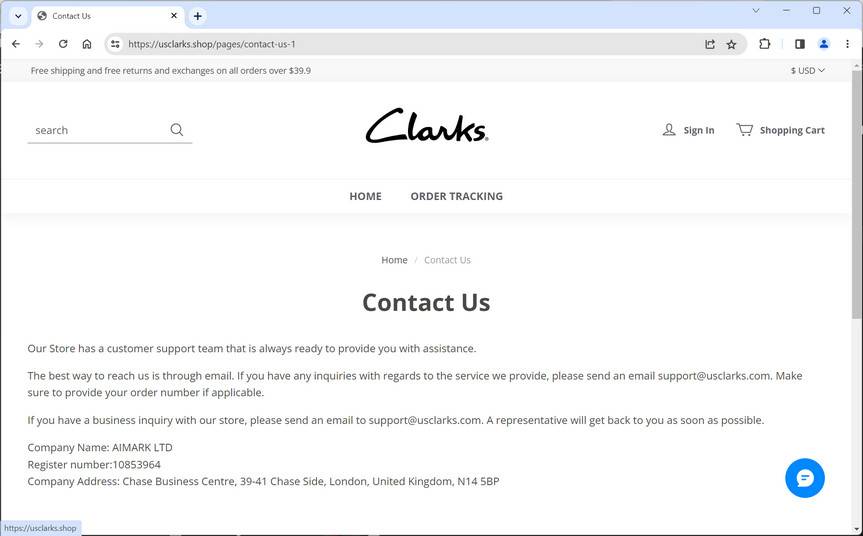
Overview of Fake Clarks Websites
There has been a surge of scam websites created that closely mimic the real Clarks website design and branding. These fake sites use names like “ClarksShoesOnline” or “OfficialClarksStore” and lure in shoppers with social media ads touting unbelievable Clarks discounts.
In reality, these copycat websites have no association with the real Clarks company. They will simply accept payments without fulfilling orders or only send poor-quality counterfeit shoes if anything ever arrives.
After checkout, victims soon find their credit cards charged but end up receiving either:
- Nothing – Most frequently, no products shipped after payments are processed. The order and money simply vanish.
- Counterfeits – Low-quality knockoff shoes made with inferior materials in some cases. These will not match genuine Clarks shoes.
- Used/damaged items – Some report receiving shoes that are clearly used, worn out, or defective.
- Completely wrong items – Many orders arrive with random products totally unrelated to what was ordered.
These fake sites also harvest users’ personal information during checkout for potential identity theft or resale on the dark web.
Tactics Used by Fake Sites to Deceive Customers
These fraudulent Clarks websites rely heavily on the slick presentation, savvy digital marketing techniques, and the brand’s reputation to trick users. Some of the tactics include:
Highly Realistic Website Designs
Great effort goes into closely mimicking the real Clarks website’s look, feel, images, and navigation to appear as a legitimate Clarks retailer.
Social Media Ads & Search Engine Optimization
Scam sites run Facebook, Instagram and TikTok ads alongside SEO to rank high in results for terms like “Clarks official site” or “Clarks shoes sale.”
Fake Celebrity Images & Reviews
Some feature fictitious celebrity photos wearing their shoes or fake customer reviews to build credibility as a trusted store.
Bait-and-Switch Tactics
Ads promise unbelievable Clarks discounts, but orders never arrive, are damaged, or are totally different from what was ordered.
Ignoring Customer Complaints
They simply ignore or block any user emails or calls about orders never arriving to prolong the scam unchecked.
Detecting Fake Clarks Websites & Avoiding Scams
While their designs closely mimic the real site, there are ways to identify fraudulent Clarks websites:
Warning Signs of Fake Sites
- Ridiculously low prices – Far cheaper than normal Clarks prices at legitimate sellers.
- Generic images – Shoe photos appear copied, not original Clarks images.
- Missing contact details – No physical address, real phone number, just a web form.
- Grammatical errors – Text has numerous spelling/grammar mistakes
- Recently registered – Domain registered very recently.
- Only credit cards accepted – No alternate payment methods allowed.
Shopping Clarks Online Safely
When buying online, follow these tips to find real authorized Clarks retailers:
- Verify on Clarks’ site – Check the seller is listed as an official Clarks partner.
- Look for contact details – Real stores list a physical address and customer service numbers.
- Search reviews – Look for mentions of scam activity associated with the site.
- Use credit cards – Never pay direct bank transfers without fraud protections.
- Avoid unbelievable deals – Discounts over 25% are highly suspicious.
Steps if Scammed by a Fake Clarks Website
If you ordered from a fake Clarks website and have been scammed, take these steps right away:
Report Fraudulent Charges to Your Bank & Payment Provider
Contact your bank and payment provider (credit card company, PayPal etc) to report the fraudulent charges. Request a chargeback if goods were not received. Provide order details, screenshots etc. as evidence.
Place a Fraud Alert on Your Credit Reports
Contact Equifax, Experian and TransUnion to place an initial 90-day fraud alert on your credit reports to help prevent potential identity theft.
Change Any Reused Passwords
If you reused the password on the fake site for other accounts, change your passwords immediately to be safe. Enable two-factor authentication where possible.
File Reports About the Scam Site
Submit reports about the scam website, order details, and business information to the FBI IC3, FTC, state attorney general, and Better Business Bureau to assist investigations.
Warn Others About the Fake Site
Post reviews warning others about the fake Clarks site you encountered. Report their social media pages, listings, and ads pretending to sell real Clarks products. Spread awareness about new fake domains imitating the company.
Frequently Asked Questions About Fake Sites
How are scammers able to make so many fake sites using the Clarks name and logos?
Scammers exploit the largely complaint-driven trademark and copyright enforcement system. Until reported and legally pursued, they can quickly create convincing fake sites confusing customers.
Are the unbelievable discounts on fake sites actually lower than real Clarks prices?
Yes, absurdly low prices like 50%+ below normal retail values are a clear red flag. They use extreme discounts as bait since their real goal is obtaining payment and customer data.
What happens when I request a refund from fake sites after being scammed?
Fraudulent sites essentially disappear after receiving payments. Emails or calls requesting refunds or support are completely ignored or rejected by the scammers. There is no real customer service.
Can I still be scammed on sites that accept PayPal payments?
Unfortunately yes – fake sites can still process PayPal payments by using stolen or fraudulent accounts not actually verified to them. PayPal does favor buyers though in claims.
How can I determine if customer photos on a Clarks site are real or fake?
Scam sites rely heavily on fake customer photos. Reverse image searches can reveal if images are stolen from elsewhere or photoshopped. Authentic retailers will only use real unique customer images.
Does Clarks offer any legitimate coupon codes or discounts?
Yes, Clarks provides some genuine seasonal promotions, discounts, and coupon codes on its official website and partnered retailers. However, coupons with over 25% off are highly suspicious – verify codes on Clarks’ site.
The Bottom Line
Shoppers need to exercise caution when searching for Clarks shoes online to avoid getting scammed by the many convincing fake retailer websites now prevalent. Look for the warning signs outlined here, thoroughly verify sellers, and use secure payment methods to protect your information and money. Report any suspected fake Clarks sites to shut down these scammers.

Join the discussion
0 commentsShare your experience or ask a question about this article.
Discussion
Start the conversation
Have a question or something useful to share? Add the first comment.