

Finding ways to save money on gas is top of mind for many drivers these days, with fuel prices reaching record highs. This has led to a proliferation of products that claim to boost fuel efficiency and gas mileage. One such product that has been heavily marketed online lately is the Eco OBD2 Fuel Saver device.
Eco OBD2 Fuel Saver advertisements boast that this small OBD2 plug-in device can cut your fuel consumption by up to 55% and significantly improve your car’s performance. With promises like that, it’s no wonder many drivers are enticed. But is the Eco OBD2 Fuel Saver legit, or is it just another automotive scam? Let’s take an in-depth look at how this product is marketed, what it claims to do, and whether there is any truth to its sky-high promises.

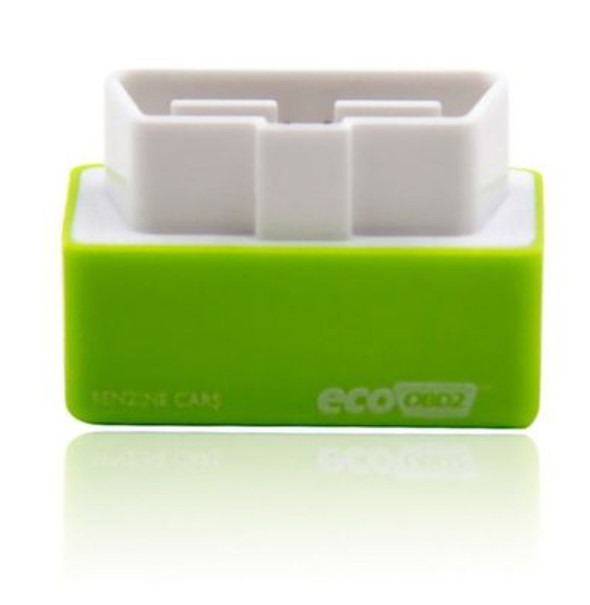
Overview of the Eco OBD2 Fuel Saver Scam
The Eco OBD2 Fuel Saver is marketed through flashy online ads and questionable websites that make bold claims about its ability to drastically improve gas mileage and engine performance. However, there are a number of red flags that indicate the Eco OBD2 Fuel Saver is likely a scam:
- No Reputable Company Behind It: There is no mention on Eco OBD2 Fuel Saver websites of what company manufactures this device. All marketing is done under the name “Eco OBD2 Fuel Saver,” with no transparency about the creators. This lack of a verifiable, reputable company is a major red flag.
- Suspicious “Reviews”: Eco OBD2 Fuel Saver websites feature suspicious-looking customer reviews praising the product’s effects. However, these appear to be fake reviews considering the product is brand new with no history.
- No Explanation of Technology: Nowhere does Eco OBD2 Fuel Saver provide details on how exactly their device increases fuel efficiency. Vague claims are made about “optimizing the ECU system,” but no concrete explanation is given of the technology behind it.
- OBD2 Plug-ins Don’t Directly Increase MPG: While OBD2 devices can monitor vehicle data, there is no proof that simply plugging one into your OBD2 port can directly improve MPG, as Eco OBD2 Fuel Saver claims. Genuine products provide data to help drivers improve habits.
- Steep Discounts and Timed Offers: The websites tout discounts up to 50% off and limited time offers, classic gimmicks used to rush people into buying before carefully researching the product.
Looking at the information provided – and lack thereof – it becomes quite apparent that the Eco OBD2 Fuel Saver is designed to scam and fool people rather than actually providing any real fuel-saving capabilities.
How the Eco OBD2 Fuel Saver Scam Works
The scammers behind Eco OBD2 Fuel Saver have crafted a smart scheme designed to sell consumers a bill of goods. Here is an inside look at exactly how their scam works to hook people in:
Step 1: Run Flashy Online Ads
You’ve likely seen these ads while browsing online – glossy images showing a small device promising unbelievable fuel savings of 40%, 50% or more. The ads are designed to entice people in with the possibility of huge savings at the gas pump. Posing as “news articles,” the ads utilize exaggerated claims not backed by any actual proof.
Step 2: Direct Visitors to a Vague Sales Website
When you click on an Eco OBD2 Fuel Saver ad, you are taken to a website dedicated solely to selling the Eco OBD2 Fuel Saver. No actual company is listed, just the product name. The site uses more outlandish claims, fake reviews and countdown timers to urge people to buy before “missing out.”
Step 3: Make it Seem Like a Hot, Hard-to-Get Product
Reviewers emphasize the product is selling out fast. Countdown timers claim limited quantities left. Language like “get it before it’s gone!” is used liberally throughout the site. This strategy is meant to instill a fear of missing out and rush people into ordering before properly vetting the product.
Step 4: Offer Steep Discounts to Hook Shoppers
The Eco OBD2 Fuel Saver sales pages dangle discounts up to 50% off and other limited time offers. This exploits consumers’ weakness for deals and steers them into buying quickly before the “discount” expires.
Step 5: Make Outlandish Claims Using Fake Science
Pseudo-scientific language is used to bamboozle shoppers into believing this OBD plug has magical properties. Buzzwords like “intelligent technology” and “ECU optimization” aim to convince people this basic device contains advanced fuel-saving capabilities – which it certainly does not.
Step 6: Use Fake Reviews and Testimonials
Sprinkled liberally around the sales site are reviews allegedly from satisfied Eco OBD2 Fuel Saver customers. However, these have clearly fabricated as the product is new to the market. The 4 and 5-star reviews are completely fake, with stock images used for the profile pictures.
Step 7: Overpromise to Get Credit Card Details
At checkout, shoppers must input credit card information before seeing the actual product. People believe they are getting an amazing deal on a fuel-saving device, only to receive a piece of plastic that does nothing. Meanwhile, the scammers have their financial details.
This is the clever funnel unscrupulous marketers have devised to sell consumers pseudo-scientific car gadgets that don’t actually work. Shoppers see dramatic claims online and end up buying a worthless product while giving up their credit card information.
What To Do If You Already Ordered Eco OBD2 Fuel Saver
If you already ordered the Eco OBD2 Fuel Saver device online, take the following steps to stop and rectify the situation immediately:
1. Do Not Install the Device in Your Vehicle
If you have received the Eco OBD2 Fuel Saver device in the mail, do NOT install it in your vehicle’s OBD2 port yet. Since it likely does not contain any actual fuel-saving technology, plugging it into your vehicle could potentially cause issues or error codes.
2. Carefully Review Your Credit Card Statements
Closely review your credit card statements to see if any additional hidden charges have been applied beyond just the Eco OBD2 Fuel Saver order. Unscrupulous merchants sometimes tack on extra subscriptions or monthly fees. Watch statements closely over the next 1-2 billing cycles.
3. Dispute the Credit Card Charge
Contact your credit card company or bank immediately to report the potentially fraudulent charge. Inform them you believe you were scammed into buying a fuel-saving device that does not work as advertised. Request a chargeback to dispute and reverse the credit card payment.
4. Beware of Any Upsells or Continued Communication
The scammers behind Eco OBD2 Fuel Saver may reach out to “upsell” you additional products or ongoing subscriptions. Ignore any further communication and do not provide your credit card details again. Continued pitches likely indicate an ongoing scam attempt.
5. Warn Others About Eco OBD2 Fuel Saver Scam
Post reviews online warning people about your experience being misled by Eco OBD2 Fuel Saver’s claims and fake reviews. Share your story on automotive and consumer complaint forums so others don’t fall for these fuel-saving scams.
6. Report Eco OBD2 Fuel Saver to Relevant Authorities
File complaints with the FTC and BBB warning them about Eco OBD2 Fuel Saver’s deceptive marketing and scam practices. This helps warn others and potentially stops the scammers from continuing to mislead consumers.
7. Request a Refund
While it’s unlikely the Eco OBD2 Fuel Saver scammers will willingly refund purchases, it doesn’t hurt to try requesting a return and refund. Send emails, leave messages and exhaust all options in attempts for your money back.
Following these steps can help stop the damage from an Eco OBD2 Fuel Saver purchase and prevent you from losing any additional money. Act fast after placing an order to have the best chance of reversing any credit card charges.
Frequently Asked Questions about the Eco OBD2 Fuel Saver Scam
1. What exactly is the Eco OBD2 Fuel Saver?
The Eco OBD2 Fuel Saver is an OBD2 plug-in device that is advertised online as being able to drastically cut fuel consumption and improve car performance. However, it appears to be a scam product that does not actually contain any special fuel-saving capabilities.
2. How is the Eco OBD2 Fuel Saver advertised to work?
Online advertisements and sales pages claim the Eco OBD2 Fuel Saver uses “intelligent technology” to optimize your car’s engine control unit (ECU). Supposedly this ECU optimization can improve gas mileage by 40-55%. However, these claims are unsubstantiated.
3. What evidence suggests the Eco OBD2 Fuel Saver is a scam?
There are a number of red flags, including no verifiable company behind it, exaggerated claims, fake reviews, no concrete explanation of the “technology”, and predatory marketing tactics like countdown timers and time-limited discounts. All signs point to it being a scam.
4. Can an OBD2 plug-in directly improve gas mileage?
While OBD2 devices can provide useful vehicle data, there is no evidence that simply plugging one into your OBD2 port can directly improve MPG, as the Eco OBD2 Fuel Saver claims. Legitimate products provide data to help drivers improve habits.
5. What should I do if I already ordered the Eco OBD2 Fuel Saver?
Immediately dispute the credit card charge and do not install the device. Review statements for hidden fees, report the scam, leave reviews warning others, and request a refund. Ignore any upsell attempts.
6. Are the reviews on Eco OBD2 Fuel Saver websites real?
No, the 4 and 5 star reviews are clearly fabricated. The product is brand new to the market so there is no way real customers could have left those reviews organically. The reviews appear fake.
7. Is there any real technology behind the Eco OBD2 Fuel Saver?
There are no genuine scientific explanations of the technology provided. Vague buzzwords may sound impressive but the Eco OBD2 Fuel Saver does not appear to contain any actual fuel-saving capabilities. We could not verify any real technology.
8. Should I trust the discounted prices and limited time offers?
No, these countdown timers and time-sensitive discounts are standard sales gimmicks used to create false urgency. The goal is to rush people into ordering before properly evaluating the product and claims.
9. Is this a safe product to install in my vehicle?
We cannot verify the safety or validity of the Eco OBD2 Fuel Saver. An OBD2 device making false claims could potentially cause problems. We advise against installing it until credible third-party testing can be done.
10. Where can I report this scam?
File detailed complaints with the FTC and BBB to warn them about the deceptive marketing, fake reviews and scam practices. This helps protect other consumers.
Bottom Line: Eco OBD2 Fuel Saver Appears to be a Total Scam
After closely analyzing the marketing claims, lack of verifiable technology, fake reviews and overall shady practices, all signs point to the Eco OBD2 Fuel Saver being an outright scam. We could find no credible evidence that this basic OBD plug-in can come anywhere close to the advertised 55% fuel savings and dramatic engine performance benefits.
At best, the Eco OBD2 Fuel Saver is simply a vastly overhyped product that does little to nothing. But more likely, it is an intentionally deceptive scam devised to trick consumers into buying a cheap piece of plastic with grand promises that never materialize.
Our advice is to avoid the Eco OBD2 Fuel Saver entirely. Don’t provide your credit card information or fall for phony discounts. No reputable company or technology backs up the bold claims made in the online ads and websites. Save your money and look for other proven ways to increase gas mileage through improved driving habits or consultation with a mechanic – not overpriced gimmicks.
We hope this Eco OBD2 Fuel Saver scam explanation helps drivers avoid this misleading product and protects your bank account. Please consider sharing this article to spread awareness about sham fuel-saving ga

Join the discussion
0 commentsShare your experience or ask a question about this article.
Discussion
Start the conversation
Have a question or something useful to share? Add the first comment.