

Ekrn.exe is a process that you may come across while using your Windows computer. It is an essential component of ESET NOD32 Antivirus, a popular antivirus software. In this article, we will explore what ekrn.exe is, its purpose, and whether you should remove it from your system.
What is ekrn.exe?
Ekrn.exe is the executable file for the ESET NOD32 Antivirus kernel. It is responsible for the core functionality of the antivirus software, including real-time scanning, threat detection, and system monitoring. The process runs in the background and ensures that your computer is protected from malware, viruses, and other security threats.
Is ekrn.exe a virus or malware?
No, ekrn.exe is not a virus or malware. It is a legitimate process associated with ESET NOD32 Antivirus. However, like any other executable file, it is possible for malicious programs to disguise themselves as ekrn.exe to avoid detection. Therefore, it is crucial to verify the location and digital signature of the file to ensure its authenticity.
If you suspect that ekrn.exe on your system is malicious, it is recommended to run a scan with a reputable antivirus software like Malwarebytes Free. This will help identify any potential threats and ensure the security of your computer.
Should I remove ekrn.exe?
No, you should not remove ekrn.exe if you have ESET NOD32 Antivirus installed on your computer. The process is an integral part of the antivirus software and removing it may result in the software not functioning correctly.
However, if you do not have ESET NOD32 Antivirus installed and still find ekrn.exe running on your system, it could be a sign of a malware infection. In such cases, it is recommended to run a thorough scan with a reliable antivirus program to detect and remove any potential threats.
How to verify the authenticity of ekrn.exe?
To ensure that ekrn.exe is a legitimate file associated with ESET NOD32 Antivirus, you can follow these steps:
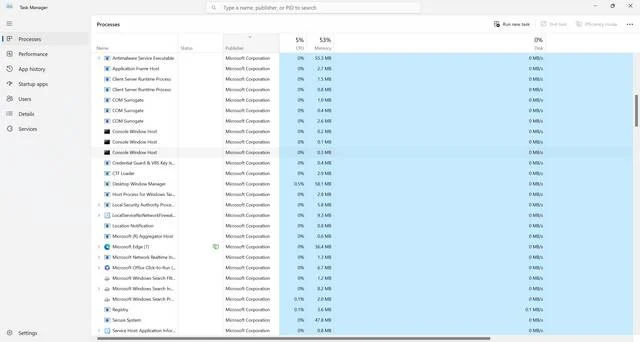
- Open the Windows Task Manager by pressing Ctrl + Shift + Esc or right-clicking on the taskbar and selecting “Task Manager.”
- Go to the “Processes” or “Details” tab, depending on your Windows version.
- Locate ekrn.exe in the list of processes.
- Right-click on ekrn.exe and select “Open File Location.”
- Verify that the file is located in the ESET NOD32 Antivirus installation folder, typically C:\Program Files\ESET\ESET NOD32 Antivirus.
- Check the digital signature of the file by right-clicking on ekrn.exe, selecting “Properties,” and navigating to the “Digital Signatures” tab. Ensure that the signature is valid and issued by ESET, spol. s r.o.
If you find ekrn.exe in a different location or with an invalid digital signature, it is advisable to scan your system for malware using a trusted antivirus program.
Impact on system resources
Ekrn.exe is designed to run efficiently in the background without causing significant impact on system resources. However, it may consume some CPU and memory resources, especially during scans or when dealing with a large number of files.
If you notice that ekrn.exe is using an unusually high amount of system resources for an extended period, it could indicate a problem. In such cases, you can try the following troubleshooting steps:
- Restart your computer: Sometimes, a simple restart can resolve temporary resource issues.
- Update ESET NOD32 Antivirus: Outdated antivirus software may have compatibility issues or bugs that can cause excessive resource usage. Make sure you have the latest version installed.
- Adjust scan settings: If the high resource usage occurs during scans, you can modify the scan settings to reduce the impact on system resources. For example, you can schedule scans during idle times or exclude certain files or folders from scanning.
If the problem persists or significantly affects your computer’s performance, you may consider reaching out to ESET support for further assistance.
Summary
Ekrn.exe is a legitimate process associated with ESET NOD32 Antivirus. It is responsible for the core functionality of the antivirus software, ensuring real-time scanning, threat detection, and system monitoring. It is not a virus or malware, but malicious programs can disguise themselves as ekrn.exe.
If you have ESET NOD32 Antivirus installed, you should not remove ekrn.exe. However, if you encounter ekrn.exe without having the antivirus software installed, it could be a sign of a malware infection, and you should run a scan with a reputable antivirus program.
Remember to verify the location and digital signature of ekrn.exe to ensure its authenticity. If you experience high resource usage by ekrn.exe, try restarting your computer, updating the antivirus software, or adjusting scan settings.
By understanding what ekrn.exe is and its role in ESET NOD32 Antivirus, you can make informed decisions regarding its presence on your system and ensure the security of your computer.

Join the discussion
0 commentsShare your experience or ask a question about this article.
Discussion
Start the conversation
Have a question or something useful to share? Add the first comment.