

A flashy gadget called Electromagnetic Snow Removal has exploded in popularity online, promising effortless snow and ice removal using advanced technology. But before you get lured in, beware: this “magic” device is an outright scam.
Read our detailed investigation that unmasks how this predatory scheme really works, and what victims can do to protect themselves.
Scam Overview
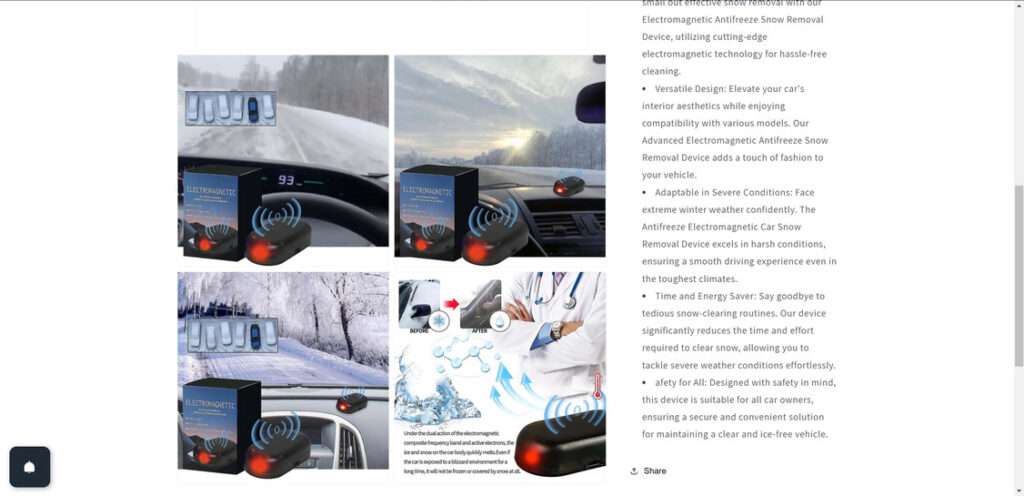
A product called the Electromagnetic Snow Removal has exploded in viral popularity online recently. Highly aggressive advertisements across major social media platforms and suspicious sales websites market this small plastic device as a futuristic, revolutionary new technology that can effortlessly clear snow and ice from vehicles.
However, upon close examination by diligent consumer advocates, it turns out this heavily marketed Electromagnetic Snow Removal device is actually an elaborate scam designed to deliberately deceive customers.
The deception works like this – scammers acquire basic $1 car air fresheners readily available on sites like Alibaba or AliExpress. They purchase these generic fresheners in bulk for pennies apiece.
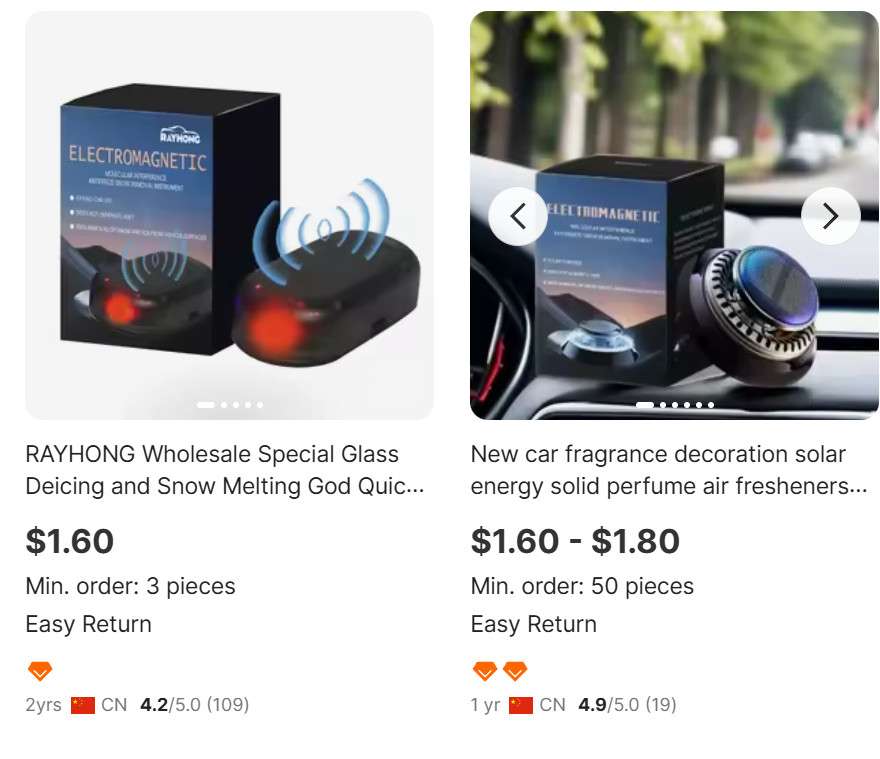
Next, the scammers creatively repackage the cheap $1 air fresheners in professional-looking Electromagnetic Snow Removal boxes to make them appear to be a sophisticated snow removal technology.
The scammers then set up numerous flashy websites promoting these repackaged $1 fresheners as scientific breakthroughs that can supposedly emit specialized electromagnetic frequencies to molecularly disrupt frozen water and force it to slide off vehicles.
Of course, these wild marketing claims are pure fiction with no scientific validity whatsoever. The scammers fool potential buyers into purchasing these cheap fresheners for outrageously inflated prices around $39 – $99 each, generating massive profits.
Here are clear signs the heavily marketed Electromagnetic Snow Removal device is a scam:
- It’s Just An Air Freshener: The Electromagnetic Snow Removal product itself is identically the same as $1 fresheners on Asian sites, not advanced snow removal tech.
- Outlandish Marketing Claims: Advertisements boast the freshener emits targeted EM frequencies to melt snow. No credible proof supports these exaggerated claims.
- Coordinated Sales Websites: The network of sales pages share extremely similar templates, content, images, and lack of seller details pointing to an obvious scam operation.
- No Proof It Works: There are zero legitimate customer reviews, prototypes, or proof available showing a $1 freshener could remove snow as claimed.
- Refusal of Refunds: The sites strictly prohibit returns and refunds, preventing victims from recovering lost money.
In summary, the heavily marketed Electromagnetic Snow Removal is conclusively a deliberate bait-and-switch scam deceiving buyers into paying inflated prices for near-worthless $1 air fresheners. Consumers should proceed with extreme caution regarding this device and its claims.
How the Elaborate Electromagnetic Snow Removal Device Scam Works
The promoters of Electromagnetic Snow Removal have devised an elaborate scheme centered around misleading ads and websites. Here is an in-depth look at how their sneaky scam operates.
Step 1: Create Slick Facebook Ads
The scam begins by designing eye-catching Facebook ads featuring exciting claims like “Remove snow and ice in seconds” and “Just attach and watch the snow disappear.”
The polished ads target winter regions and leverage enticing messaging:
- Removes snow/ice easily without scraping
- Uses advanced NASA engineering
- Emits a protective electromagnetic field
- Prevents re-freezing between storms
These types of compelling hooks grab attention and spark interest in the Electromagnetic Snow Removal device.
Step 2: Drive Traffic To Sales Websites
When someone clicks an ad, they get funneled to an impressive-looking sales website like shinwink.com or shopinature.com.
These sites feature additional persuasive language hyping the Electromagnetic Snow Removal product with grandiose claims. Their goal is further enticement to purchase.
Step 3: Reassure With Claims of Limited Supply
The websites utilize several tactics to impart urgency around securing one before they’re gone. These include:
- Claims of “only 37 units remaining.”
- Countdown timers pressuring you to act fast.
- Language like “due to extremely high demand, supplies are scarce.”
This manufactured scarcity aims to make you fear missing out on the chance to buy.
Step 4: Offer Discounted Prices and Bonuses
To tip undecided visitors over the edge into purchasing, the sites tout special bargains like:
- 50% off discounts
- Buy one, get one free
- Free shipping
- Additional free gifts with every order
These limited-time deals create a now-or-never scenario so you’ll buy before the deals expire.
Step 5: Maximize Profits With Upsells
If you get lured in by the initial attractive offer, they next hit you with upsells to try and maximize their profit, such as:
- Upgrading to more expensive “deluxe” Electromagnetic Snow Removal models
- Buying 2- or 3-year protection plans
- Add-on car heating pads
- Recommended additional products
The whole purchasing process is designed to extract as much money as possible through these upsells.
Step 6: Obfuscate Merchant Details
To avoid accountability, the websites conceal their true operator identities by:
- Only providing email contacts like support@techroofx.com
- Using phony business names like Brisbock LLC or Devon & Hart
- Listing overseas addresses difficult to verify
This lack of valid contact information makes the merchants untraceable.
Step 7: Fulfill Orders With $1 Trinkets
Once they’ve secured payment, they actually ship buyers cheap plastic air freshener-like objects that in no way perform advanced electromagnetic snow removal.
Their only purpose is decorative hanging in your car. They rely on enough people not going through the effort of returns once they receive the useless items.
Step 8: Block Product Returns
Speaking of returns, their posted policies place extensive obstacles in the way of buyers seeking refunds, including:
- Short 15- or 30-day return windows
- Making the customer pay return shipping
- Restocking fees of 10-25%
- Only providing store credit rather than refunds
- Failing to respond to refund requests
These barriers minimize the number of returns they must process.
Step 9: Shift Domains and Ads Frequently
To continually evade regulators, consumer protection agencies, and negative reviews, they frequently shift to new domains and ad content.
This revolving-door tactic makes it challenging for authorities to pin down the operators. Once a domain accumulates too many complaints, they simply pivot to a fresh one.
Step 10: Count Profits and Repeat
With their low overhead for producing the cheap trinket products, their profit margins are immense. Even after issuing some refunds, they bank plenty from those who simply keep the worthless items.
They then channel these profits into more slick ads and websites to perpetuate the predatory cycle anew.
This mulit-layered methodology allows them to systematically deceive consumers and accumulate big payouts, making the Electromagnetic Snow Removal device a highly lucrative scam.
What to Do If You’ve Fallen Victim to the Electromagnetic Snow Removal Device Scam
If you already ordered a Electromagnetic Snow Removal device and realized it’s a low-quality counterfeit piece, don’t panic. Here are your best recourses to get justice and your money back.
Step 1: Document Everything
Gather details like:
- The website where you ordered from
- Your complete order details
- All communications with the seller
- Photos showing the product differences from advertised
Thorough documentation helps substantiate your case.
Step 2: Escalate for a Refund
Contact the seller right away providing the documentation and requesting an immediate refund. Avoid vague requests for “resolving the issue”—expressly state you expect a full refund.
If they deny or ignore your request, persistently elevate the matter requesting management review. Scammers often count on people giving up after initial rejection. Don’t let them win. Politely escalate until someone addresses it.
Step 3: Dispute the Charges
If they continue stonewalling refunds, dispute with your payment provider immediately (credit card company, PayPal, etc). Provide documentation showing you didn’t receive the advertised product.
Disputing quickly gives you the best shot at recovering your money. Don’t wait in hopes the seller will eventually relent.
Step 4: Report Fraud to Authorities
To protect others, report the deceptive business to agencies like:
- Federal Trade Commission
- State Attorney General’s Office
- Better Business Bureau
Provide all documentation and details to assist prosecution. The more complaints filed, the better the chances of regulatory action to shut them down.
Step 5: Post Warnings Online
Leave comments on the product websites, Facebook ads and your own social channels to make the scam overtly visible to other potential victims. This public shaming further damages their reputation.
The more people made aware of their tricks, the harder it becomes for their scam to succeed. Sunlight remains the best disinfectant.
Step 6: Adjust Settings to Avoid Future Spam
Tweak account settings to avoidfurther unsolicited ads and messages from shady advertisers. For example:
- Tighten Facebook privacy and ad preferences
- Mark email senders as junk/spam
- Enable call screening
Proactively protecting yourself helps prevent repeats in the future.
Step 7: Learn from This Experience
While falling victim to a scam induces frustration, also use it as motivation to equip yourself with more knowledge. Learn how to pinpoint red flags, research sellers better, avoid emotional decisions, and advocate for your customer rights. Becoming an informed shopper is the ultimate long-term protection.
Staying resolute while employing these response strategies gives you the best odds of unwinding the scam’s damage and achieving justice. Don’t accept defeat—make them pay.
Avoiding Snow Removal Scams: 12 Vital Tips
The Electromagnetic Snow Removal rip-off provides a perfect case study in how slick digital marketing can easily dupe consumers. Here are 12 tips to safeguard yourself from snow removal “innovations” that seem too good to be true:
1. Verify lofty claims.
If a product boasts incredible capabilities, demand proof from legitimate studies. Extraordinary claims require extraordinary evidence.
2. Research the seller thoroughly.
Search for complaints, transparent contact details, and certifications from recognized consumer protection groups.
3. Compare prices comprehensively.
If the price seems excessively low for what’s promised, greater scrutiny is required to understand why.
4. Read objective reviews.
Rather than testimonials on their website, check impartial platforms for unfiltered customer experiences.
5. Avoid emotional urgency.
Tune out language warning stocks are running low or pressuring immediate action. Carefully evaluate.
6. Beware rebates requiring upfront payment.
Many tout rebates that never materialize once payment occurs. Verify rebate legitimacy first.
7. Skip free trial offers.
These often enroll you into recurring charges without consent once the “free” period ends.
8. Understand return procedures.
Know the return time limits, who pays for shipping, and whether you must pay a restocking fee if dissatisfied.
9. Pay only through secure methods.
Never pay by direct bank transfer, gift card, cryptocurrency or other irreversible ways. Use credit cards for protections.
10. Keep records.
Save order details, product photos, seller communications and other documentation to support your case if needed.
11. Report concerns promptly.
Inform consumer protection groups and authorities about possible scams to help others avoid the same pitfalls.
12. Trust your instincts.
If an offer just feels off or too amazing to be possible, don’t ignore that instinct. Protect yourself first.
Equipped with knowledge and healthy skepticism, you can make smart decisions and sidestep promoters exploiting winter desperation. Keep your eyes open and wallet guarded.
Frequently Asked Questions about the Electromagnetic Snow Removal Device Scam
What is the Electromagnetic Snow Removal Device?
The Electromagnetic Snow Removal device is a product heavily advertised online and on social media that claims to remove snow and ice from vehicles using advanced electromagnetic technology. However, it is a scam designed to take money from customers without providing a real working product.
How does the Electromagnetic Snow Removal device supposedly work?
The ads claim the Electromagnetic Snow Removal device emits specialized electromagnetic frequencies that destabilize the molecular structure of frozen water, causing it to slide off vehicles without any scraping or effort. But these are fictional claims with no real scientific merit.
What are the telltale signs it’s a scam?
Multiple red flags indicate the Electromagnetic Snow Removal ads are fraudulent, including exaggerated pseudo-scientific claims, recently registered websites with cloned content, constantly shifting product names/domains, no way to validate the seller, and refusal to provide refunds.
What will happen if I order the Electromagnetic Snow Removal device?
You will not receive an actual working product. The scammers will simply take your payment and provide nothing in return except more fake shipping updates via email. No customer has ever definitively received a real Electromagnetic Snow Removal device.
How much does the Electromagnetic Snow Removal device cost?
The ads show prices ranging from $39.99 to $89.99. But the scammers will gladly take payments of any amount from unsuspecting customers. The price claims are just used to make the device seem more legitimate.
What should I do if I already purchased the Electromagnetic Snow Removal device?
If you paid by credit card, contact your card provider immediately to report the charges as fraudulent and request a chargeback refund. You can also file complaints with the FTC, BBB, and state attorney general. And enable credit alerts to watch for any future suspicious charges.
Can I get my money back if I fell for the scam?
If you paid by credit card and act promptly, you have a good chance of getting the charges reversed by your card company. Debit payments will be much harder to recover. And wire transfers or gift cards likely cannot be refunded at all.
Is the Electromagnetic Snow Removal website safe to order from?
No, you should avoid providing any personal or payment information to these scam websites. The sites exist solely to collect payment details for fraudulent charges and have no intention of sending an actual product.
Are the positive reviews for Electromagnetic Snow Removal real?
No, the reviews are completely fabricated. Scammers routinely invent fake testimonials and post them on their own websites to appear more legitimate to potential victims.
Who should I report this scam to?
File detailed complaints with the FTC at ReportFraud.ftc.gov and the BBB at BBB.org/scamtracker. You can also contact your state attorney general’s office about fraudulent business practices in your area. The more reports, the better.
How can I avoid scams like this in the future?
Be wary of “miracle” products pushed heavily on social media that seem too good to be true. Carefully research both the product claims and seller details before making any purchase. Avoid limited-time offers or pressure sales tactics.
Conclusion
In an era where digital tools allow scammers to easily manufacture legitimacy, consumers must stay vigilant. The smoke-and-mirrors promotion around the Electromagnetic Snow Removal Electromagnetic Snow Removal represents a prime example to learn from.
When confronted with similar “innovations” offering unbelievable results, employ critical thinking. Analyze the claims, promoter reputation, evidence presented, and your overall instinct. If unable to validate the legitimacy, don’t buy in.
While the Electromagnetic Snow Removal scam has so far proliferated profitably, a better-informed public can render their tricks unviable. Heed the red flags, smartly manage your data privacy, and report concerns promptly. Discouragement of their duplicitous practices begins with your thoughtful consumer choices.
Stay safe out there this winter and beware of letting breakthrough promises cloud your judgment. Maintain healthy skepticism, and let scammers like Electromagnetic Snow Removal melt away through sunlight rather than electromagnetic frequencies.








