

Email scams are on the rise, with criminals using increasingly sophisticated techniques to trick unsuspecting victims. One such prevalent scam is the “Email Account Storage Limit Is Almost Full” phishing email. This fraudulent email aims to steal sensitive information by urging recipients to upgrade their account storage limit.
This comprehensive guide will provide an in-depth look at how this scam works, how to identify it, the potential risks and repercussions, and most importantly, how to protect yourself. With online security threats increasing, awareness and education are key to staying safe.
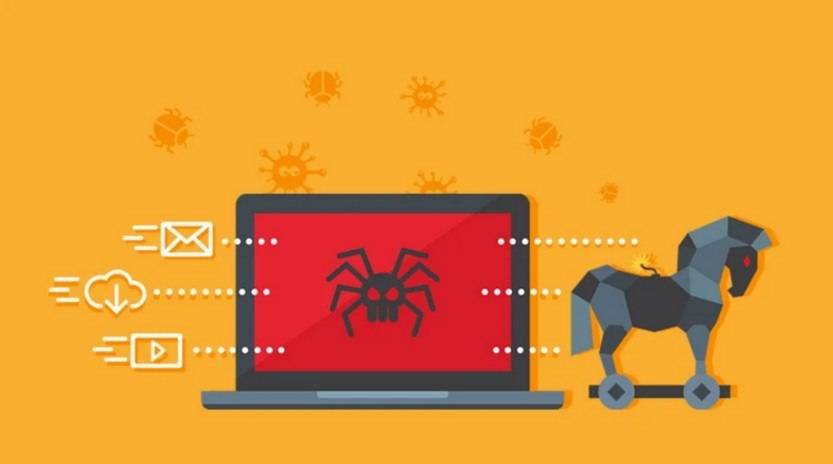
Overview of the Scam
The “Email Account Storage Limit Is Almost Full” scam email pretends to be an alert from the recipient’s email service provider. It typically contains alarming claims that the account’s storage limit has nearly reached capacity.
Failure to immediately upgrade this limit will supposedly result in an inability to send or receive messages, eventually leading to account suspension. The email urges urgent action by clicking on an “Upgrade Now” link or button.
In reality, this is a phishing scam orchestrated by cybercriminals. The email is not associated with any legitimate email provider. The claims of reaching storage capacity and account suspension are false, intended only to trick victims.
This scam preys on recipients’ fear of losing access to an important email account. By instilling a sense of urgency, criminals increase the chances that victims will click without thinking. Their ultimate goal is to steal login credentials, financial information, or install malware.
How the Scam Works
Anatomy of the Phishing Email
The “Email Account Storage Limit Is Almost Full” scam email is carefully crafted to look authentic. It will contain several key attributes to appear convincing:
- Sender address – Uses a forged email address to mimic a legitimate provider like Gmail, Yahoo, Outlook, etc.
- Subject line – Contains provocative keywords like “Action Required”, “Security Alert”, “Upgrade Now” to induce urgency.
- Logo and branding – Uses the company logo and colors associated with the spoofed email provider.
- Formal tone – Written in a professional, corporate communication style.
- Threatening claims – The body contains false claims about reaching storage capacity, inability to send/receive emails, and account suspension.
- Call-to-action – Prominently displays clickable links or buttons like “Upgrade Now” to enable the scam.
This thoughtful deception tricks casual glance readers into believing the email is from a legitimate source. But on closer inspection, subtle discrepancies become noticeable.
What Happens After Clicking?
Once recipients click on the “Upgrade Now” link, they are redirected to a fake website impersonating a login page. This phishing site is designed to mirror the real login page, encouraging victims to enter their credentials.
In some cases, victims are asked to provide additional sensitive information beyond usernames and passwords. This may include contact details, credit card information, or social security numbers.
After submitting information on the phishing site, victims are typically redirected to the actual email provider’s homepage. This aims to further reinforce the scam’s legitimacy and avoid rousing suspicion.
Meanwhile, all data entered on the fake site is transmitted directly to the scammers. Once in possession of login credentials, criminals can access and takeover victim’s email accounts.
Potential Dangers of the Scam
The implications of having an email account compromised extend far beyond just losing access. Because emails are gateways to many critical services, the risks are immense:
- Identity theft – Emails contain sensitive info like names, birthdates, addresses etc. Ideal for stealing identities.
- Accessing other accounts – Most online services use email for account recovery and notifications. Criminals can initiate password resets to access other accounts.
- Financial theft – Emails may contain bank/credit card statements, tax docs, or login credentials that lead to financial data.
- Spreading malware – By hijacking accounts, criminals can email malware links to all contacts.
- Blackmail – Private emails often contain compromising information that scammers can use for extortion.
- Reputational damage – Accounts can be used to send malicious content that damages professional reputations.
Who is Targeted?
The “Email Account Storage Limit Is Almost Full” scam casts a wide net, aiming to ensnare as many victims as possible. Some key targets include:
General Email Users
Anyone with an email account is vulnerable. Scammers send these phishing emails randomly to millions of addresses acquired through breaches or malware networks. Even savvy internet users can fall victim by overlooking small email discrepancies.
Businesses
Company emails like name@business.com are highly valued by scammers. Access to business accounts can lead to lucrative BEC (business email compromise) scams, targeting vendors, clients, and staff.
Certain Industries
Workers in finance, healthcare, law, and government often handle sensitive data via email. Hacking their accounts provides access to valuable insider information.
Children & Elderly
Young and old email users may be more trusting of unsolicited warnings about account suspensions. Their demographic data is easily available to scammers as well.
Email Providers Impersonated
While all major email providers are spoofed, some see higher volumes of phishing due to their immense popularity:
- Gmail – As the world’s largest email provider with 1.5 billion users, Gmail is the most spoofed target.
- Outlook/Hotmail – Microsoft accounts are common in workplaces, another prime phishing demographic.
- Yahoo – With its simple email addresses, Yahoo is simple for scammers to imitate.
- Apple iCloud – Phishers bank on the strong trust users place in Apple’s brand reputation.
- Dropbox – Widely used for storing sensitive docs, financial records, passwords.
- Facebook/Instagram – These popular social media logins contain a wealth of personal data.
What to do if You Have Fallen Victim
If you suspect your email account has been compromised by the phishing scam, prompt action is necessary to contain the breach:
Step 1: Secure Your Email Account
- Immediately change your password – Use a strong, unique one across all accounts.
- Enable 2-factor authentication – Adds an extra security layer with login codes from a separate device.
- Review recent emails/activity – Check for any unusual emails or actions taken by scammers.
- Scan for malware – Run a Malwarebytes scan to detect any viruses or spyware.
Step 2: Notify Contacts
- Warn contacts of potential malicious emails – Ask them not to open/click on suspicious content.
- Avoid sending sensitive info via email – Use more secure channels when possible.
Step 3: Assess Damage From Breach
- Check accounts linked to email – Banks, shopping, social media, etc. Change passwords where necessary.
- Monitor credit reports & financial statements – Freeze credit if signs of fraud found.
- Reset phone/account passwords – On any account where email password reset was enabled.
Step 4: Report Incident to Relevant Authorities
- Contact your email provider – Alert them to disable the account and provide info to security teams.
- Inform cybercrime authorities – FBI Internet Crime Complaint Center or local law enforcement.
- Report to FTC – The Federal Trade Commission tracks email phishing scams in its complaint database.
- Notify workplace IT security – If your work email was compromised, ensure they are aware.
How to Avoid Falling Victim
While email phishing scams are becoming more sophisticated, with vigilance and healthy skepticism, users can still avoid becoming victims:
Look for Red Flags
- Generic greetings – Does not address you by name.
- Suspicious sender address – Typos, mismatched domain names.
- Threatening urgent claims – Storage limits, account suspension.
- Requests sensitive information -Password, SSN, bank details.
- Pressures quick action – Limited time offers or threats.
Verify Suspicious Emails
- Contact provider directly – Don’t use contact info in the email.
- Check sender address – Copy and paste into browser.
- Verify URL links – Hover to preview destination.
Enable Safety Filters
- Activate spam filters – Prevent phishing emails from reaching your inbox.
- Download anti-phishing tools – Browser extensions that flag suspicious sites.
- Use an email verification service – Checks incoming email legitimacy.
Practice General Email Security
- Never click unfamiliar links – Even if from contacts, could be hacked.
- Beware of any password resets – Unless you directly initiated them.
- Use unique passwords – And 2-factor authentication.
- Keep contacts updated – So they are aware of any account compromises.
With vigilance and common sense, users can identify and avoid email phishing attempts. But no one is completely immune from sophisticated schemes. Implementing robust email security and threat awareness provides the best protection.
Is Your Device Infected? Run a Free Malware Scan
Slow performance, constant pop-ups, or strange behavior? These are classic signs of a malware infection. The fastest way to find out is to scan your device with Malwarebytes Free — one of the most trusted malware removal tools available.
The free version detects and removes the most common threats, including:
- Adware — the cause of those annoying pop-ups
- Browser hijackers — unwanted redirects and changed homepages
- Trojans and spyware — hidden programs stealing your data
- Potentially unwanted programs (PUPs) — software you never asked for
👉 Select your device below — Windows, Mac, or Android — then follow the simple steps to download Malwarebytes, scan your system, and remove any threats it finds. The scan usually takes 5 to 20 minutes.
Run a Malware Scan with Malwarebytes for Windows
Malwarebytes is one of the most popular and trusted anti-malware tools for Windows — and it’s completely free for removing infections. It catches threats that many antivirus programs miss, including adware, browser hijackers, and trojans. Follow the steps below to scan and clean your PC in just a few minutes.
Download Malwarebytes
Click the button below to download the latest version of Malwarebytes for Windows from the official source. The free version is all you need — it will scan your computer and remove adware, browser hijackers, and other malicious software at no cost.
Download MalwarebytesOfficial installer for Windows 11 and 10. Your download starts right away.Want real-time protection? See Malwarebytes Premium Malwarebytes Free for WindowsScans and removes malware at no cost
-
Install Malwarebytes
When the download finishes, open your Downloads folder and double-click the MBSetup file. If Windows shows a User Account Control pop-up, click “Yes” to allow the installation.
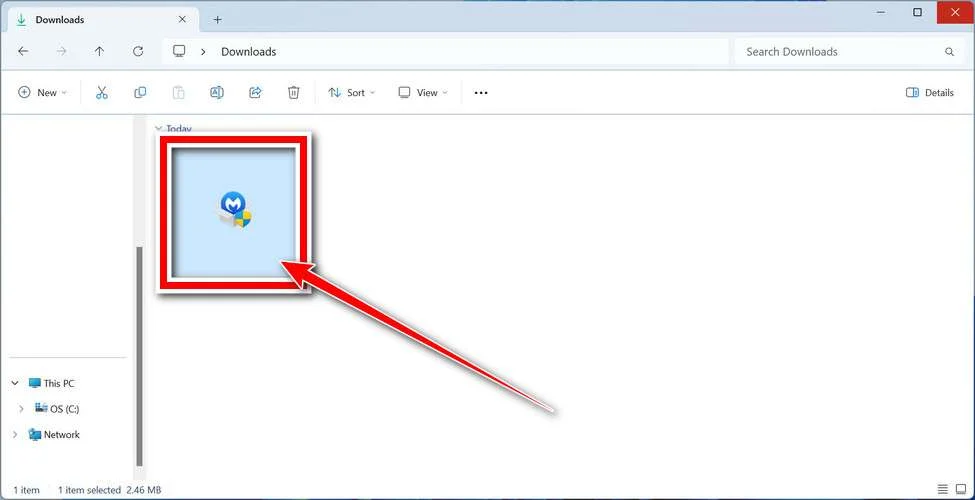
Follow the On-Screen Prompts to Install Malwarebytes
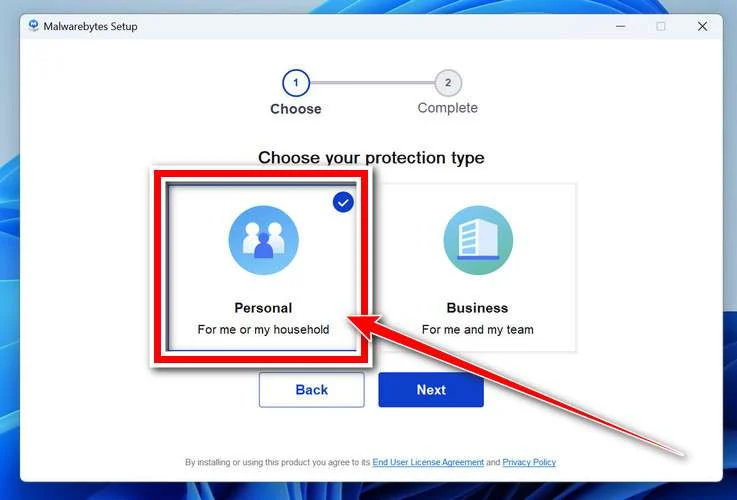
The setup wizard will walk you through a few quick screens:
-
Choose where you’re installing the program — “Personal Computer” or “Work Computer” — then click Next.
-
Malwarebytes will now install on your device. This usually takes under a minute.

-
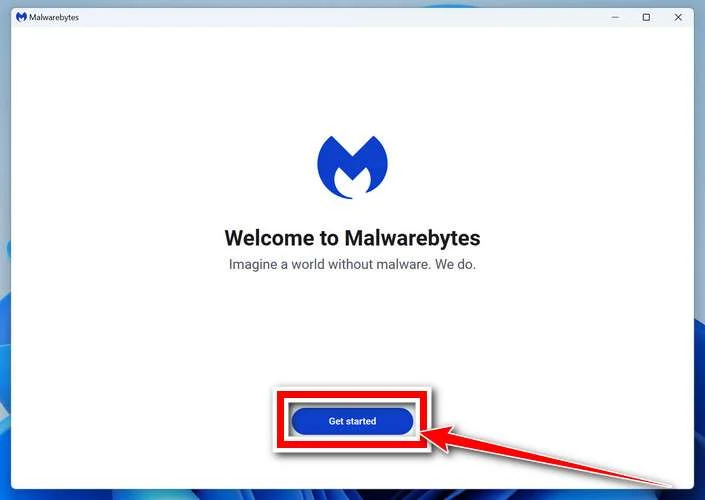
When installation is complete, the “Welcome to Malwarebytes” screen will open automatically.
-
On the final screen, click Open Malwarebytes to launch the program.

-
Enable “Scan for Rootkits”
Before scanning, turn on rootkit detection so Malwarebytes can find even the most hidden threats. Click the Settings gear icon on the left side of the screen.
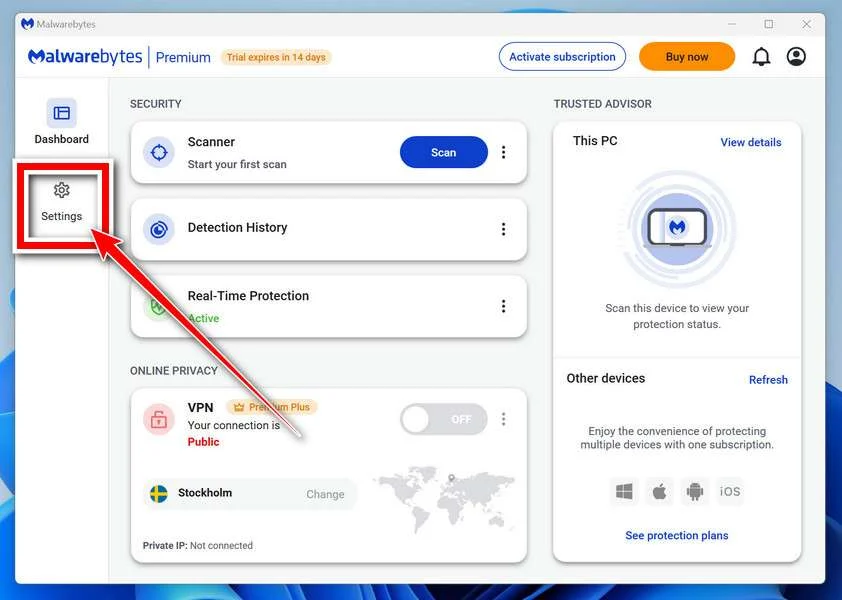
In the settings menu, find “Scan for rootkits” and click the toggle so it turns blue.

Done? Click “Dashboard” in the left pane to return to the main screen.
Start the Scan
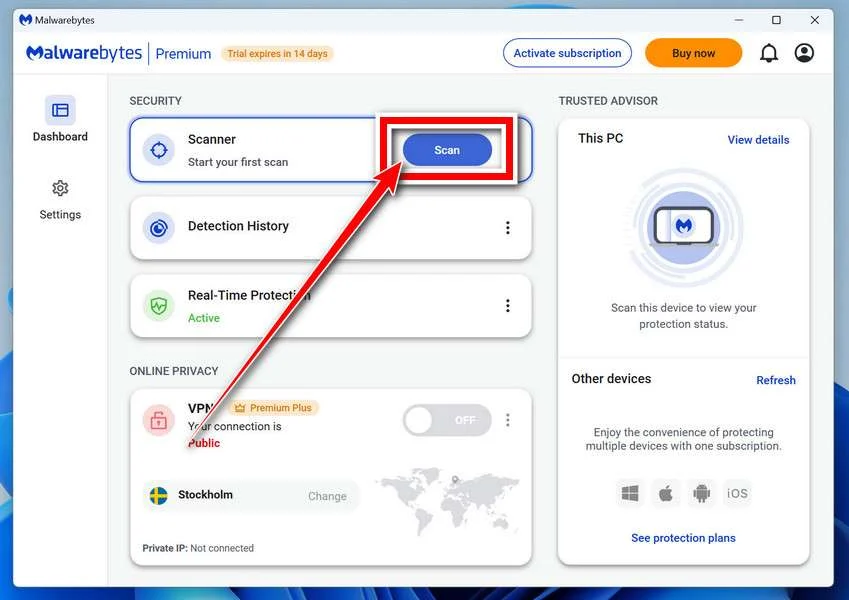
Click the blue Scan button. Malwarebytes will automatically update its virus database and start checking your computer for malware.
-
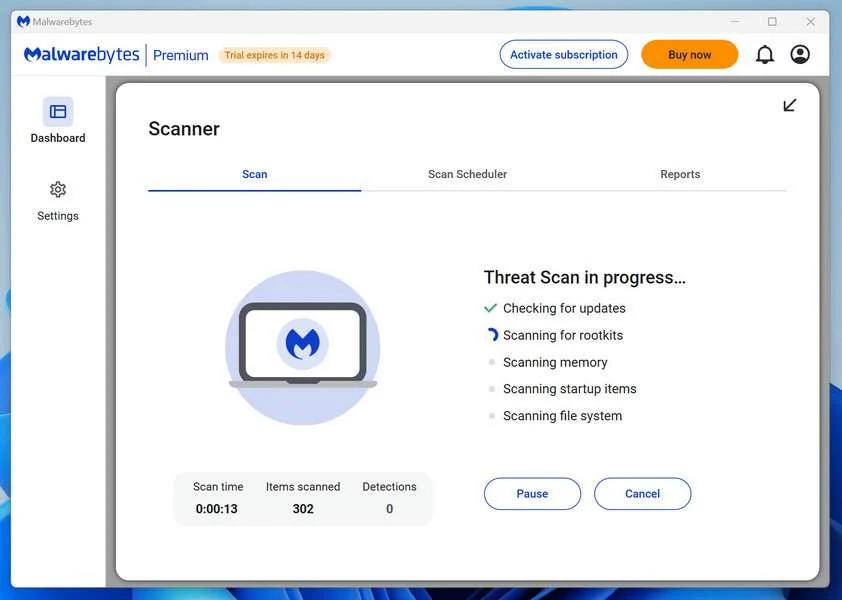
Wait for the Scan to Finish
The scan checks your entire system for browser hijackers and other malicious programs, so it can take 5 to 20 minutes depending on your computer. Feel free to do something else — just check back occasionally to see the progress.
-
Quarantine the Detected Threats
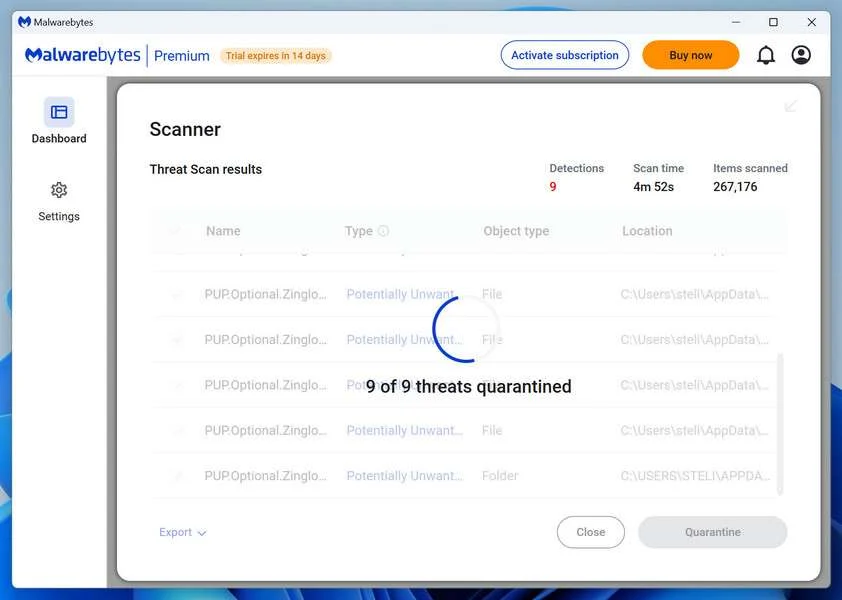
When the scan is done, you’ll see a list of everything Malwarebytes found — malware, adware, and potentially unwanted programs. Click the “Quarantine” button to remove all of them at once.
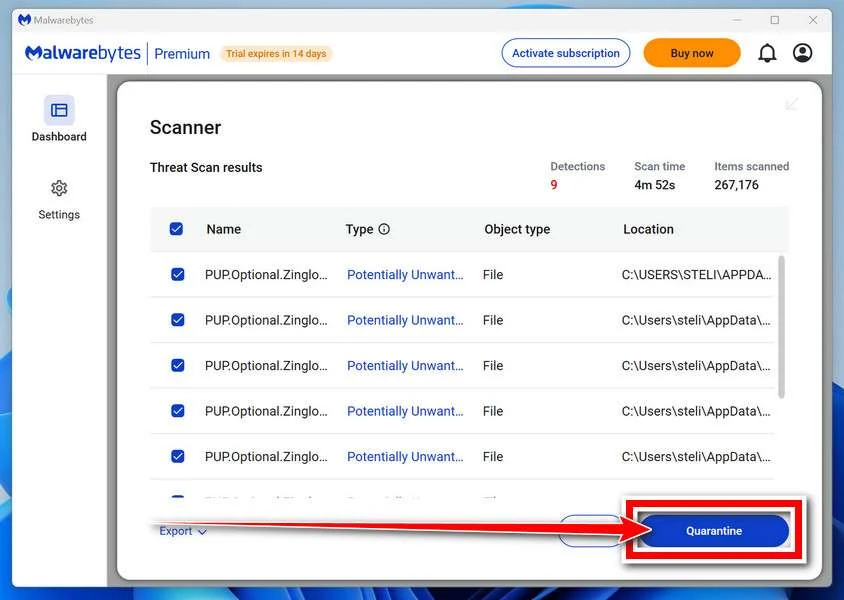
Malwarebytes will now remove the malicious files and registry entries and move them safely into quarantine.
-
Restart Your Computer
Some threats can only be fully removed after a reboot. If Malwarebytes asks you to restart, click Yes. Once you’re logged back in, Malwarebytes has finished removing the threats it found.
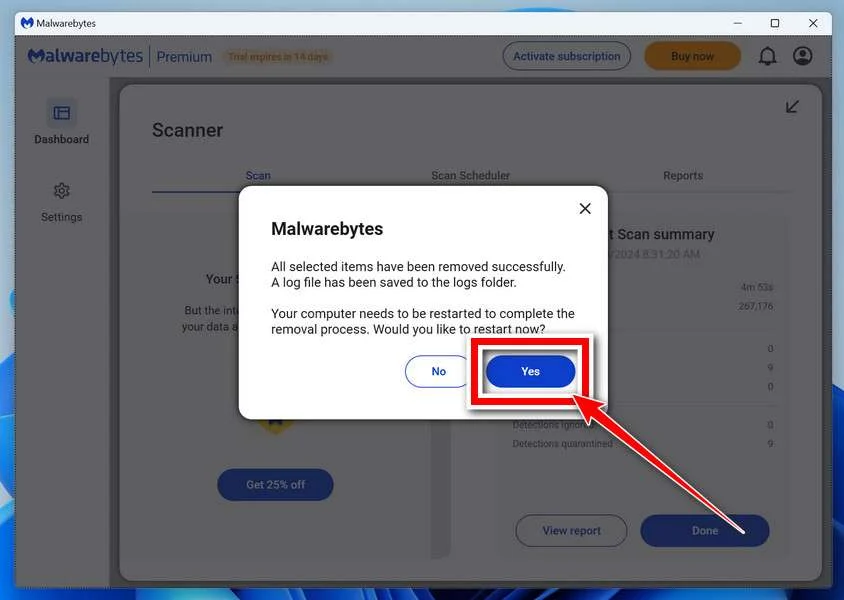
That’s it — your Windows PC is now clean of trojans, adware, and other malware, and should be back to running smoothly.
If you are still having problems with your computer after completing these instructions, then please follow one of the steps:
- Run a computer scan with ESET Online Scanner
- Ask for help in our Windows Malware Removal Help & Support forum.
Run a Malware Scan with Malwarebytes for Mac
Malwarebytes for Mac is a free on-demand scanner that removes the malware other security software tends to miss — adware, browser hijackers, and unwanted programs included. Cleaning an infected Mac with Malwarebytes has always been completely free, and it’s our go-to recommendation. Follow the steps below to scan and clean your Mac in just a few minutes.
-
Download Malwarebytes for Mac
Click the button below to download the latest version of Malwarebytes for Mac.
Download MalwarebytesOfficial installer for macOS. Your download starts right away.Want real-time protection? See Malwarebytes PremiumMalwarebytes Free for MacScans and removes malware at no cost -
Open the Malwarebytes setup file
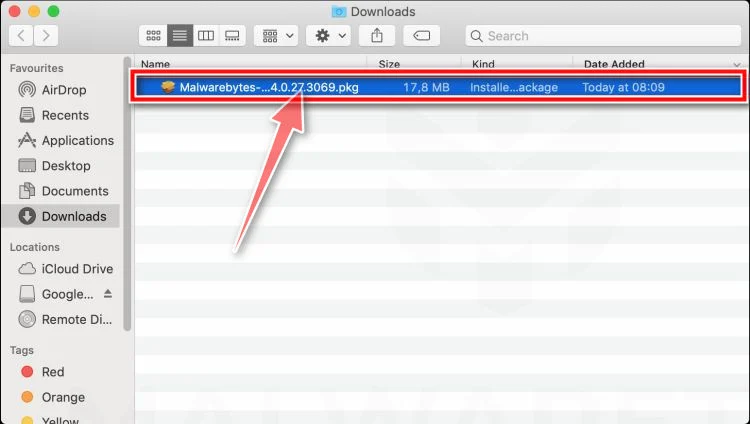
When the download finishes, open your Downloads folder and double-click the setup file to begin the installation.
-
Follow the On-Screen Prompts to Install Malwarebytes
The Malwarebytes for Mac Installer will guide you through a few quick screens. Click “Continue” and keep following the prompts until the installation completes.
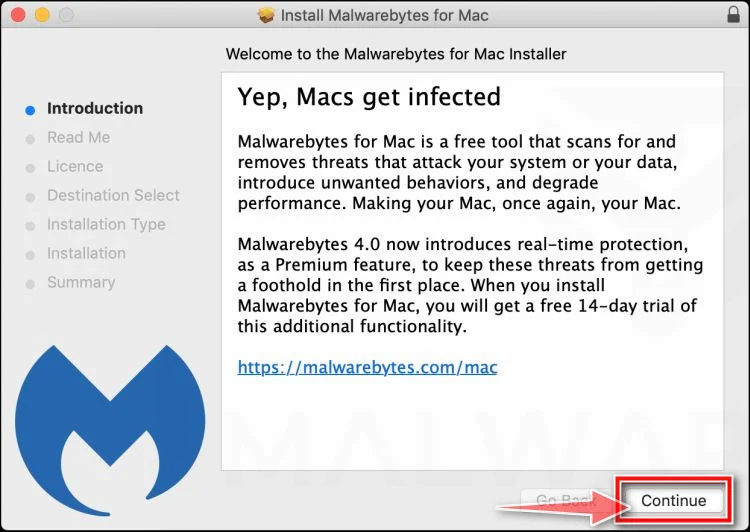
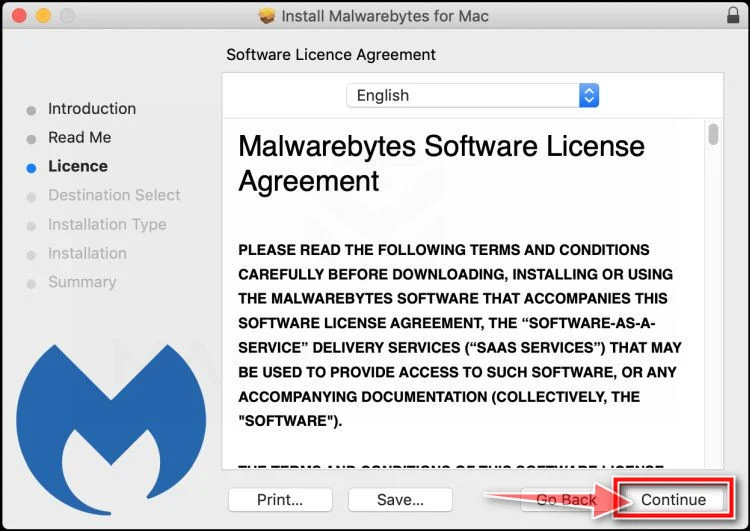
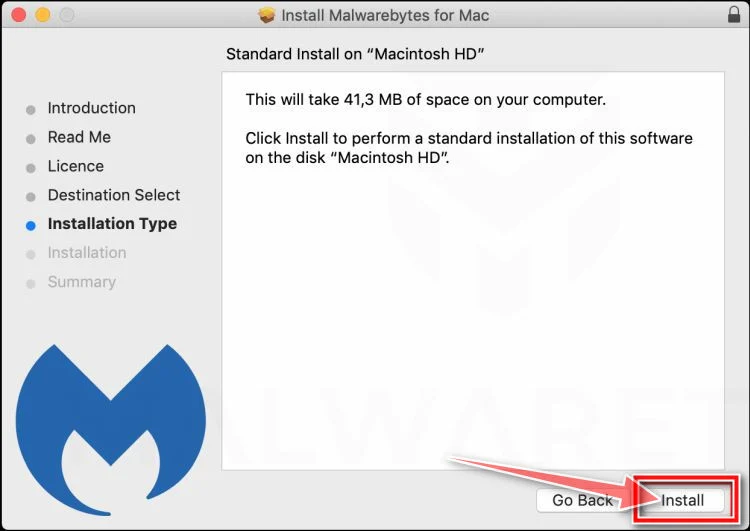
When the installation is complete, Malwarebytes opens to the Welcome to Malwarebytes screen. Click “Get started“.
-
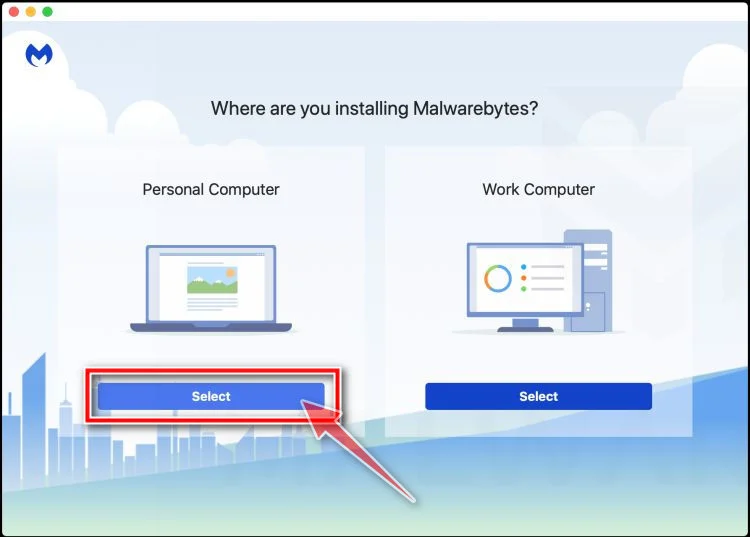
Select “Personal Computer” or “Work Computer”
Malwarebytes will ask what type of computer you’re installing it on. Click either Personal Computer or Work Computer, whichever applies.
-
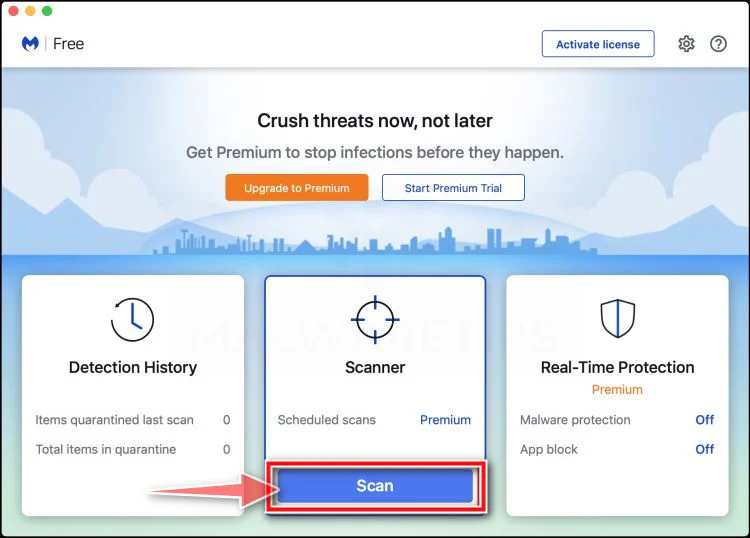
Start the Scan
Click the “Scan” button. Malwarebytes will automatically update its detection database and begin checking your Mac for malware.
-
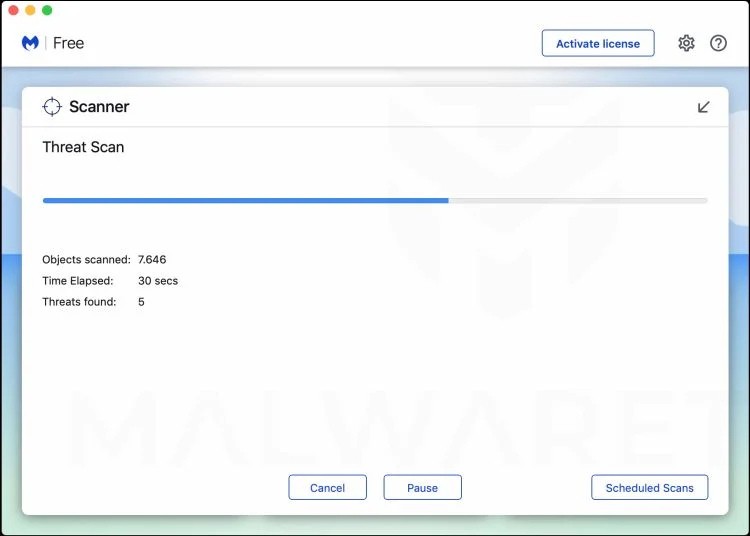
Wait for the Scan to Finish
Malwarebytes will scan your Mac for adware, browser hijackers, and other malicious programs. This can take a few minutes, so feel free to do something else — just check back occasionally to see the progress.
-
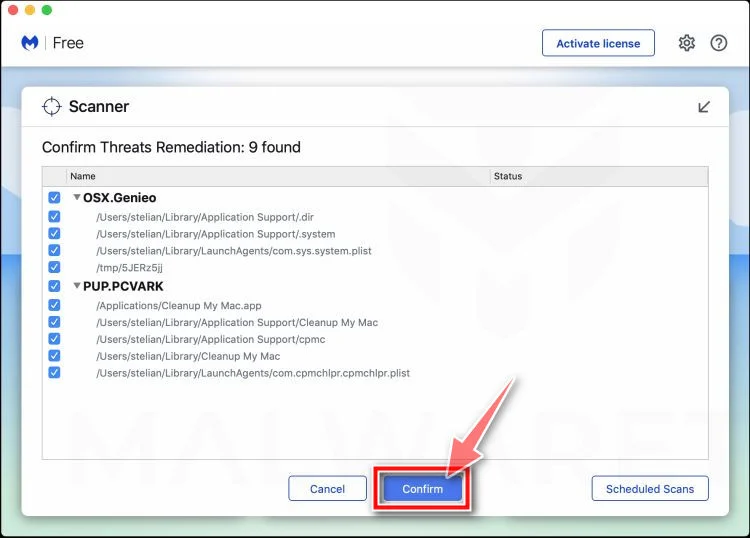
Quarantine the Detected Threats
When the scan is done, you’ll see a list of everything Malwarebytes found. Click the “Quarantine” button to remove all the threats at once.
-
Restart Your Mac
Malwarebytes will now remove all the malicious files it found. Some threats can only be fully removed after a reboot — if Malwarebytes asks you to restart, allow it. Once you’re logged back in, your Mac is clean.
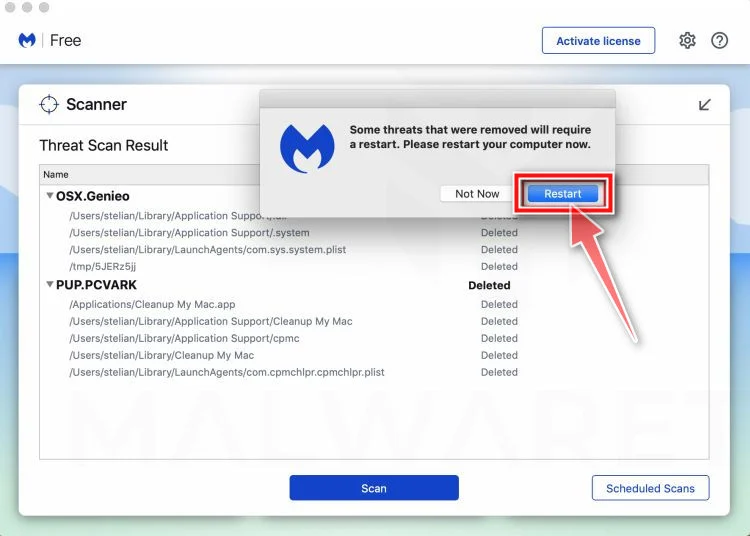
That’s it — your Mac is now free of adware, rogue browser extensions, and other potentially harmful software.
If you are still experiencing problems while trying to remove a malicious program from your computer, please ask for help in our Mac Malware Removal Help & Support forum.
Run a Malware Scan with Malwarebytes for Android
Malwarebytes for Android automatically detects and removes dangerous threats like malware and ransomware so you don’t have to worry about your most-used device being compromised. Aggressive detection of adware and potentially unwanted programs keeps your Android phone or tablet running smooth.
-
Download Malwarebytes for Android.
You can download Malwarebytes for Android by clicking the link below.
Get Malwarebytes for AndroidOpens Google Play in a new tab.Want real-time protection? See Malwarebytes Premium for AndroidMalwarebytes for AndroidScans your phone and removes malware at no cost -
Install Malwarebytes for Android on your phone.
In the Google Play Store, tap “Install” to install Malwarebytes for Android on your device.

When the installation process has finished, tap “Open” to begin using Malwarebytes for Android. You can also open Malwarebytes by tapping on its icon in your phone menu or home screen.

-
Follow the on-screen prompts to complete the setup process
When Malwarebytes will open, you will see the Malwarebytes Setup Wizard which will guide you through a series of permissions and other setup options.
This is the first of two screens that explain the difference between the Premium and Free versions. Swipe this screen to continue.
Tap on “Got it” to proceed to the next step.
Malwarebytes for Android will now ask for a set of permissions that are required to scan your device and protect it from malware. Tap on “Give permission” to continue.
Tap on “Allow” to permit Malwarebytes to access the files on your phone.
-
Update database and run a scan with Malwarebytes for Android
You will now be prompted to update the Malwarebytes database and run a full system scan.

Click on “Update database” to update the Malwarebytes for Android definitions to the latest version, then click on “Run full scan” to perform a system scan.

-
Wait for the Malwarebytes scan to complete.
Malwarebytes will now start scanning your phone for adware and other malicious apps. This process can take a few minutes, so we suggest you do something else and periodically check on the status of the scan to see when it is finished.

-
Click on “Remove Selected”.
When the scan has been completed, you will be presented with a screen showing the malware infections that Malwarebytes for Android has detected. To remove the malicious apps that Malwarebytes has found, tap on the “Remove Selected” button.

-
Restart your phone.
Malwarebytes for Android will now remove all the malicious apps that it has found. To complete the malware removal process, Malwarebytes may ask you to restart your device.
That’s it — your Android phone is now clean — no more malicious apps, adware, or browser redirects.
If you are still having problems with your phone after completing these instructions, then please follow one of the steps:
- Restore your phone to factory settings by going to Settings > General management > Reset > Factory data reset.
- Ask for help in our Mobile Malware Removal Help & Support forum.
Stay Protected: Block Ads and Malicious Sites
Now that your device is clean, keep it that way. Most infections start with a malicious ad or a fake download button — so blocking them at the source is your best defense.
We recommend AdGuard, which blocks malicious ads, phishing pages, and dangerous redirects before they can reach you.
👉 Download AdGuard and browse safely
Frequently Asked Questions
What is the “Email Account Storage Limit Is Almost Full” scam?
This is a phishing scam where recipients receive an email claiming their account storage limit has nearly reached capacity. It provides a fake “Upgrade Now” link which redirects to a phishing site to steal login credentials.
How does the phishing email look legitimate?
The scam emails are carefully designed to mimic real warnings from providers. They use official branding and logos, a formal tone, and standard warning language to appear authentic.
What happens after clicking the “Upgrade Now” link?
The link redirects to a fake login page impersonating the real email provider. If users enter their username and password, this information is stolen by scammers.
What do scammers do once they have my account credentials?
They can access and take over your email account to view personal data, steal identities, spread malware, conduct financial fraud, and hijack other linked accounts.
How do I tell if an email is really from my provider?
Contact your provider directly through their official website to verify any suspicious storage limit warnings. Email addresses can be forged, so don’t rely on the sender name.
I clicked the link. What should I do now?
Immediately change your account password and enable 2-factor authentication. Check for any unauthorized activity within the email. Notify contacts of potential malware emails. Monitor financial statements for signs of fraud.
How can I identify phishing emails in the future?
Look for red flags like threats, urgency, requests for sensitive data, and verify the sender address. Enable spam filters and anti-phishing tools. Never click unverified links or provide personal information.
Who is most likely to be targeted by this scam?
General email users, businesses, government/healthcare/finance industries, children and elderly are common targets. Gmail, Outlook, Yahoo, iCloud accounts see high volumes of phishing.
How can I keep my email account secure?
Use strong unique passwords, enable 2-factor authentication, maintain updated software/malware protections, don’t click unknown links, and be wary of any password reset notifications.
Conclusion
The “Email Account Storage Limit Is Almost Full” phishing scam aims to hijack email accounts by capitalizing on recipients’ fear of losing access. By mimicking urgent warnings from legitimate providers, scammers trick users into clicking malicious links and surrendering login credentials.
The implications of email account compromise extend far beyond just email. Complete identity theft, malware infections, financial fraud, and account hijacking are just some of the devastating potential outcomes.
With attacks grown increasingly commonplace, users must remain skeptical of any unsolicited emails and threats. Look for email red flags, verify legitimacy, and implement safety filters. Avoid clicking suspect links or providing sensitive personal data.
While these scams exploit human instinct, through education, vigilance, and secure email habits, users can stay one step ahead of even the most convincing phishing attempts. By understanding the hallmarks of such scams, we can prevent surrendering the keys to our digital lives.

Join the discussion
0 commentsShare your experience or ask a question about this article.
Discussion
Start the conversation
Have a question or something useful to share? Add the first comment.