

Scams have become increasingly prevalent in the digital age, with cybercriminals constantly devising new methods to deceive unsuspecting individuals. One such scam that has gained traction in recent years is the ‘Email Account Unusual Sign-In Activity’ phishing scam. This article aims to provide a comprehensive overview of this scam, including what it is, how it works, what to do if you have fallen victim, technical details, and relevant statistics.
What is the ‘Email Account Unusual Sign-In Activity’ Phishing Scam?
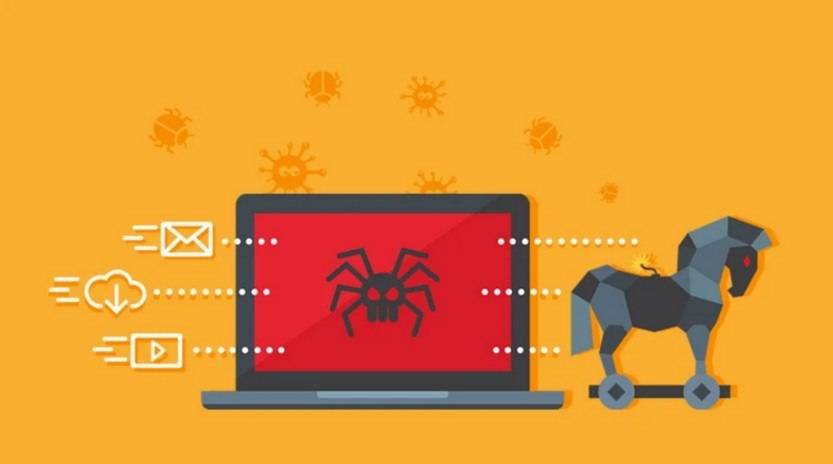
The ‘Email Account Unusual Sign-In Activity’ phishing scam is a method employed by cybercriminals to trick individuals into revealing their email account credentials. The scam typically begins with the victim receiving an email notification claiming that there has been unusual sign-in activity detected on their email account. The email often appears to be from a legitimate email service provider, such as Gmail, Yahoo, or Outlook, and includes official logos and branding to make it appear authentic.
The email usually states that the user’s account has been compromised and that immediate action is required to secure the account. It may also warn of potential consequences, such as account suspension or data loss, if the issue is not addressed promptly. To resolve the supposed issue, the email instructs the recipient to click on a link provided in the email or download an attachment.
How Does the Scam Work?
Once the victim clicks on the link or downloads the attachment, they are directed to a fake login page that closely resembles the legitimate email service provider’s login page. The page is designed to trick the victim into entering their email address and password, which are then captured by the scammers.
Unbeknownst to the victim, their email account credentials have now been compromised. The scammers can then use these credentials to gain unauthorized access to the victim’s email account, potentially leading to identity theft, financial fraud, or further phishing attempts targeting the victim’s contacts.
Example:
Let’s consider an example to illustrate how this scam works in practice. Sarah, an unsuspecting email user, receives an email from what appears to be her email service provider, claiming that there has been unusual sign-in activity on her account. The email states that her account may be compromised and urges her to take immediate action.
Concerned about the security of her account, Sarah clicks on the link provided in the email. She is directed to a login page that looks identical to her email service provider’s login page. Without suspecting anything amiss, Sarah enters her email address and password.
Unbeknownst to Sarah, the scammers behind the phishing scam now have access to her email account. They can read her emails, access her personal information, and potentially use her account for malicious purposes.
What to Do If You Have Fallen Victim?
If you have fallen victim to the ‘Email Account Unusual Sign-In Activity’ phishing scam, it is crucial to take immediate action to mitigate the potential damage. Here are the steps you should follow:
- Change your email account password: As soon as you realize you have been scammed, change your email account password immediately. This will help prevent further unauthorized access to your account.
- Enable two-factor authentication (2FA): Enable 2FA for your email account if it is available. This adds an extra layer of security by requiring a verification code in addition to your password for logging in.
- Scan your device for malware: Run a scan with a reputable antivirus software, such as Malwarebytes Free, to check for any malware or keyloggers that may have been installed on your device.
- Review your account settings: Check your email account settings for any suspicious changes, such as forwarding rules or unfamiliar email addresses added to your contacts.
- Monitor your accounts and credit reports: Keep a close eye on your financial accounts and credit reports for any unauthorized activity. Report any suspicious transactions or identity theft to the relevant authorities.
Technical Details of the Scam
The ‘Email Account Unusual Sign-In Activity’ phishing scam relies on social engineering techniques to deceive victims. The scammers carefully craft emails that appear legitimate, often using official logos, branding, and email signatures to make them seem authentic. They may also employ tactics such as urgency, fear, or consequences to prompt victims to take immediate action without thinking critically.
Furthermore, the scammers create fake login pages that closely resemble the legitimate email service provider’s login page. These pages are hosted on compromised websites or specially crafted domains that mimic the original domain. The scammers may also use techniques such as URL obfuscation to make the fake URLs appear genuine.
Statistics on Email Phishing Scams
Email phishing scams, including the ‘Email Account Unusual Sign-In Activity’ phishing scam, continue to be a significant threat in the digital landscape. Here are some statistics that highlight the prevalence and impact of email phishing scams:
- According to the FBI’s Internet Crime Complaint Center (IC3), phishing scams accounted for over $54 million in losses in 2020 alone.
- A report by Verizon found that 36% of data breaches involved phishing attacks.
- In a study conducted by Proofpoint, it was revealed that 91% of cyberattacks start with a phishing email.
- The Anti-Phishing Working Group (APWG) reported a staggering 220% increase in phishing websites between Q1 2020 and Q1 2021.
Summary
The ‘Email Account Unusual Sign-In Activity’ phishing scam is a deceptive method employed by cybercriminals to trick individuals into revealing their email account credentials. By sending emails that appear to be from legitimate email service providers, scammers lure victims into clicking on malicious links or downloading attachments that lead to fake login pages. Once the victims enter their credentials, the scammers gain unauthorized access to their email accounts, potentially leading to identity theft and financial fraud.
If you have fallen victim to this scam, it is crucial to change your email account password, enable two-factor authentication, scan your device for malware, review your account settings, and monitor your accounts

Join the discussion
0 commentsShare your experience or ask a question about this article.
Discussion
Start the conversation
Have a question or something useful to share? Add the first comment.