

Spam emails have been a nuisance for internet users for years. From offers for cheap pharmaceuticals to promises of instant wealth, these unsolicited messages clutter our inboxes and waste our time. However, there is a new type of spam email that has been gaining popularity recently – the ‘Email That Must Be Read’ spam message. In this article, we will explore what these emails are, how the scam works, what to do if you have fallen victim, and provide valuable insights to help you stay safe online.
What is an ‘Email That Must Be Read’ Spam Message?
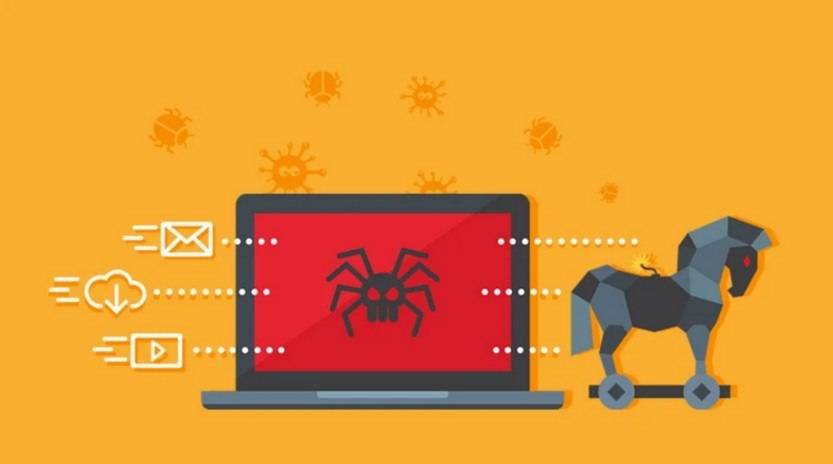
An ‘Email That Must Be Read’ spam message is a type of phishing email that uses psychological manipulation to trick recipients into opening and engaging with the email. These emails often have subject lines that create a sense of urgency or curiosity, such as “Important Information” or “Your Account Has Been Compromised.” The goal of these emails is to convince the recipient to click on a link or download an attachment, which can lead to malware infections or identity theft.
How the Scam Works
The ‘Email That Must Be Read’ spam message scam typically follows a similar pattern:
- The spammer sends out a large number of emails to random recipients, hoping that some will fall for the scam.
- The email is designed to look like it comes from a legitimate source, such as a bank, government agency, or well-known company.
- The subject line of the email creates a sense of urgency or curiosity, enticing the recipient to open it.
- Once the email is opened, it often contains a message that claims there is important information that the recipient needs to see.
- The email then instructs the recipient to click on a link or download an attachment to access the supposed information.
- If the recipient falls for the scam and clicks on the link or downloads the attachment, they may unknowingly install malware on their device or be directed to a fake website where their personal information is collected.
What to Do If You Have Fallen Victim
If you have fallen victim to an ‘Email That Must Be Read’ spam message, it is important to take immediate action to protect yourself:
- Disconnect from the internet: If you suspect that your device has been compromised, disconnect from the internet to prevent further damage.
- Scan for viruses and malware: Run a scan with a reputable antivirus software, such as Malwarebytes Free, to detect and remove any malicious software.
- Change your passwords: If you have entered any passwords or personal information on a fake website, change your passwords immediately. Use strong, unique passwords for each online account.
- Monitor your accounts: Keep a close eye on your bank accounts, credit cards, and other online accounts for any suspicious activity. Report any unauthorized transactions to your financial institution.
- Be cautious of future emails: Be extra vigilant when opening emails, especially those from unknown senders or with suspicious subject lines. Delete any suspicious emails without opening them.
Protecting Yourself from ‘Email That Must Be Read’ Spam Messages
While it is impossible to completely eliminate the risk of receiving spam emails, there are steps you can take to protect yourself:
- Use a spam filter: Enable the spam filter on your email account to automatically detect and filter out spam messages.
- Be cautious with your personal information: Avoid sharing your email address or personal information on untrusted websites or with unknown individuals.
- Keep your software up to date: Regularly update your operating system, web browser, and antivirus software to ensure you have the latest security patches.
- Educate yourself: Stay informed about the latest phishing techniques and scams. Be skeptical of emails that create a sense of urgency or ask for personal information.
- Trust your instincts: If an email seems too good to be true or raises suspicion, trust your instincts and delete it.
Summary
‘Email That Must Be Read’ spam messages are a new type of phishing email that uses psychological manipulation to trick recipients into engaging with the email. These emails often have subject lines that create a sense of urgency or curiosity, leading the recipient to click on a link or download an attachment. Falling victim to this scam can result in malware infections or identity theft. To protect yourself, be cautious when opening emails, use a spam filter, keep your software up to date, and educate yourself about the latest phishing techniques. If you have fallen victim, take immediate action by disconnecting from the internet, scanning for viruses and malware, changing your passwords, and monitoring your accounts for suspicious activity.

Join the discussion
0 commentsShare your experience or ask a question about this article.
Discussion
Start the conversation
Have a question or something useful to share? Add the first comment.