

When it comes to energy efficiency, many companies strive to develop products that are environmentally friendly and help consumers reduce their carbon footprint. One such initiative is Energy Star, a program developed by the United States Environmental Protection Agency (EPA) to promote energy-efficient products. Hewlett-Packard (HP), a renowned technology company, has been actively participating in the Energy Star program. In this article, we will explore what Energy Star is, how it benefits consumers, and whether you should remove it from your HP device.
What is Energy Star?
Energy Star is a voluntary program established by the EPA in 1992 to promote energy efficiency in various industries, including electronics, appliances, and lighting. The program sets energy efficiency standards for products and provides a label that helps consumers identify energy-efficient options. The Energy Star label can be found on a wide range of products, including computers, monitors, printers, and other electronic devices.
The Energy Star label signifies that a product meets or exceeds the energy efficiency requirements set by the EPA. To earn the Energy Star certification, manufacturers must meet strict criteria and undergo testing by independent laboratories. These criteria vary depending on the product category but generally focus on reducing energy consumption during both active and standby modes.
Benefits of Energy Star
Energy Star-certified products offer several benefits to consumers:
- Energy savings: Energy Star-certified devices are designed to consume less energy than their non-certified counterparts. This can result in significant cost savings on electricity bills over the lifetime of the product.
- Environmental impact: By using energy-efficient products, consumers can reduce their carbon footprint and contribute to a more sustainable future. According to the EPA, Energy Star-certified products have collectively helped save more than 4.5 trillion kilowatt-hours of electricity and reduce greenhouse gas emissions by over 3 billion metric tons since the program’s inception.
- Performance and features: Energy Star certification does not compromise the performance or features of a product. Certified devices are required to meet the same performance standards as non-certified products, ensuring that consumers do not have to sacrifice functionality for energy efficiency.
- Longevity: Energy Star-certified products are often built with high-quality components and undergo rigorous testing. This can result in increased product longevity and reliability, reducing the need for frequent replacements.
Energy Star and HP
HP, a leading technology company, has been actively participating in the Energy Star program. Many of their devices, including laptops, desktops, printers, and monitors, carry the Energy Star label. HP’s commitment to energy efficiency is evident in their product design and development process.
HP’s Energy Star-certified devices are designed to optimize power consumption without compromising performance. For example, HP laptops are equipped with power management features that automatically adjust settings to minimize energy usage when the device is idle. Similarly, HP printers incorporate technologies such as duplex printing and sleep mode to reduce energy consumption during operation.
By choosing an HP device with the Energy Star label, consumers can enjoy the benefits of energy efficiency while still having access to cutting-edge technology and reliable performance.
Should I Remove Energy Star from my HP Device?
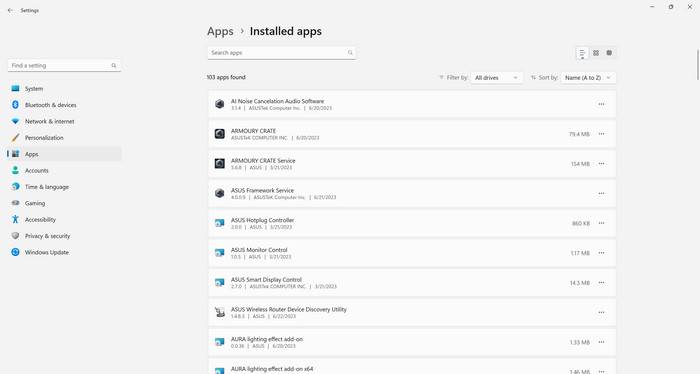
While it is technically possible to remove the Energy Star software from your HP device, it is generally not recommended. The Energy Star software is responsible for managing power settings and optimizing energy consumption on your device. Removing it may result in the loss of energy-saving features and potentially impact the overall performance of your device.
However, if you are experiencing any issues with your HP device or suspect that the Energy Star software is causing problems, it is advisable to seek professional assistance or contact HP support for guidance. They can help diagnose and resolve any issues without the need to remove the Energy Star software.
It is worth noting that removing the Energy Star software will not have a significant impact on the overall functionality of your device. The software primarily focuses on power management and energy efficiency, and its removal will not affect other essential features or applications.
Conclusion
Energy Star is a valuable program that promotes energy efficiency and helps consumers make informed choices when purchasing electronic devices. HP’s participation in the Energy Star program demonstrates their commitment to sustainability and providing energy-efficient products to their customers.
Removing the Energy Star software from your HP device is generally not recommended, as it may result in the loss of energy-saving features and potentially impact device performance. However, if you encounter any issues related to the software, it is advisable to seek professional assistance or contact HP support for guidance.
By choosing an HP device with the Energy Star label, you can enjoy the benefits of energy efficiency, cost savings, and reduced environmental impact without compromising on performance or features.

Join the discussion
0 commentsShare your experience or ask a question about this article.
Discussion
Start the conversation
Have a question or something useful to share? Add the first comment.