

When it comes to scanning documents and images, EPSON Scan by SEIKO EPSON is a popular choice among users. This software, developed by the renowned Japanese company SEIKO EPSON, provides users with a reliable and efficient way to scan their files. However, like any other software, it is important to understand what EPSON Scan is and whether or not it is necessary for your needs. In this article, we will delve into the details of EPSON Scan, its features, and help you decide whether or not you should uninstall it.
What is EPSON Scan?
EPSON Scan is a software application that allows users to control and manage their EPSON scanners. It provides a user-friendly interface that enables users to scan documents, photos, and other files with ease. EPSON Scan offers a wide range of features and settings to customize the scanning process according to your preferences.
Some of the key features of EPSON Scan include:
- Scan to various file formats, including PDF, JPEG, TIFF, and more.
- Adjust scanning settings such as resolution, color mode, and image enhancement.
- Batch scanning for efficient processing of multiple documents.
- OCR (Optical Character Recognition) functionality to convert scanned documents into editable text.
- Compatibility with both Windows and Mac operating systems.
Should I Uninstall EPSON Scan?
Now that we understand what EPSON Scan is, let’s discuss whether or not you should uninstall it. The decision to uninstall EPSON Scan depends on your specific needs and preferences. Here are a few factors to consider:
1. Usage Frequency
If you frequently scan documents or images, EPSON Scan can be a valuable tool. Its user-friendly interface and advanced features make it easy to achieve high-quality scans. However, if you rarely use your scanner or prefer to use alternative scanning software, uninstalling EPSON Scan may free up valuable disk space on your computer.
2. Alternative Scanning Software
If you decide to uninstall EPSON Scan, it is important to have an alternative scanning software in place. There are several third-party scanning applications available that offer similar features and functionality. One popular option is Malwarebytes Free, which not only provides scanning capabilities but also offers protection against malware and other security threats.
3. Compatibility with Other Software
EPSON Scan is designed to work seamlessly with EPSON scanners, ensuring optimal performance and compatibility. If you have an EPSON scanner and rely on EPSON Scan for its specific features and functionalities, it is recommended to keep the software installed. Uninstalling EPSON Scan may result in compatibility issues with your scanner or other EPSON software.
4. Disk Space and System Performance
Uninstalling EPSON Scan can free up disk space on your computer, especially if you have limited storage capacity. Additionally, removing unnecessary software can potentially improve system performance by reducing the number of background processes running on your computer.
How to Uninstall EPSON Scan?
If you have decided to uninstall EPSON Scan, follow these steps:
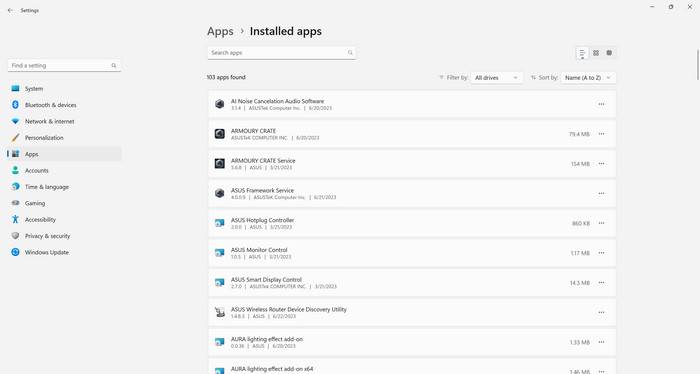
- Open the Control Panel on your Windows computer or go to the Applications folder on your Mac.
- Locate the EPSON Scan software in the list of installed programs or applications.
- Right-click on EPSON Scan and select “Uninstall” or “Move to Trash” (Mac).
- Follow the on-screen prompts to complete the uninstallation process.
It is important to note that the exact steps may vary depending on your operating system and version of EPSON Scan.
Conclusion
EPSON Scan by SEIKO EPSON is a powerful scanning software that offers a range of features and customization options. Whether or not you should uninstall EPSON Scan depends on your specific needs and preferences. If you frequently use your EPSON scanner and rely on EPSON Scan for its features, it is recommended to keep the software installed. However, if you rarely use your scanner or prefer alternative scanning software, uninstalling EPSON Scan may free up disk space and improve system performance.
Remember, if you decide to uninstall EPSON Scan, make sure to have an alternative scanning software in place. Consider using Malwarebytes Free for scanning capabilities and protection against malware.

Join the discussion
0 commentsShare your experience or ask a question about this article.
Discussion
Start the conversation
Have a question or something useful to share? Add the first comment.